
Bamboo Outdoor Furniture Guide: Durability, Care & Buying Tips
Everything you need to know about bamboo patio furniture — from weather resistance and material grades to maintenance routines and smart buying decisions for an eco-friendly outdoor space.
START EXPLORINGWhy Bamboo? Bamboo outdoor furniture has surged in popularity as homeowners seek sustainable alternatives to traditional hardwood and synthetic materials. This guide walks you through every critical factor — durability, weather performance, cost, maintenance, and styling — so you can decide with confidence whether bamboo is the right choice for your patio, garden, or balcony.
What Exactly Is Bamboo Outdoor Furniture?
Bamboo outdoor furniture is crafted from the stalks of the bamboo plant, a fast-growing grass rather than a true wood. The material is harvested, treated, and often laminated or woven into panels, frames, and seating surfaces. Because bamboo reaches maturity in just 3–5 years (compared to 20–50 years for hardwood trees), it is widely regarded as one of the most renewable resources on the planet.
There are two main types you will encounter in the market:
- Solid bamboo furniture: Made from laminated bamboo strips pressed together into sturdy boards. This type resembles traditional wood furniture and is used for tables, benches, and frames.
- Woven bamboo furniture: Thin bamboo strips are woven into intricate patterns around a metal or hardwood frame. This style is common for chairs, loveseats, and decorative pieces.
Both types can work beautifully outdoors, but their performance depends heavily on the treatment and finishing applied during manufacturing. If you are still comparing material families, our outdoor furniture materials hub provides a side-by-side overview of wood, metal, resin, and synthetic options.
Why Homeowners Choose Bamboo for Outdoor Spaces
Bamboo offers a unique combination of aesthetics, sustainability, and practicality that few other materials can match. Here are the primary reasons it has become a go-to choice for eco-conscious buyers:
- Eco-friendly and renewable: Bamboo grows rapidly without requiring replanting, absorbs more CO₂ than equivalent hardwood trees, and needs minimal pesticides or fertilizers.
- Natural warmth and beauty: The subtle grain and warm tones of bamboo blend effortlessly with garden greenery, creating a relaxed, organic feel that synthetic materials often lack.
- Lightweight yet strong: Bamboo has a high strength-to-weight ratio, making furniture easier to rearrange than heavy teak or wrought iron pieces.
- Cost-effective: Compared to premium hardwoods like teak, bamboo furniture generally offers a more accessible entry point without sacrificing visual appeal.
- Versatile styling: From modern minimalist to tropical resort and rustic cottage aesthetics, bamboo adapts to a wide range of design themes.
If you are looking for a natural material that balances budget, sustainability, and style, bamboo deserves serious consideration. For those comparing it against another eco-friendly wood, our acacia wood outdoor furniture guide offers a useful counterpoint.
Durability & Weather Resistance: What You Need to Know
This is the most common concern among buyers — and rightly so. Natural bamboo, in its untreated form, is susceptible to moisture damage, insect infestation, and UV fading. However, modern manufacturing processes have dramatically improved its outdoor performance.
How Bamboo Is Made Weather-Resistant
Quality bamboo outdoor furniture undergoes several treatments:
- Heat treatment: Stalks are heated to remove moisture and kill insects or larvae.
- Pressure treatment: Preservatives and anti-fungal agents are forced deep into the bamboo fibers.
- Resin infusion: Some manufacturers infuse bamboo with resins to create a composite material that resists water absorption.
- Surface sealing: A protective topcoat (often polyurethane or marine-grade varnish) shields the surface from UV rays and rain.
Realistic Expectations
Even with treatment, bamboo is not indestructible. It performs best in covered patios, screened porches, or climates with moderate humidity. In regions with heavy rainfall, freezing winters, or intense direct sun, bamboo furniture will require more frequent maintenance and may have a shorter lifespan than aluminum or high-quality resin wicker.
To protect your investment, consider pairing bamboo furniture with a furniture cover selection guide to shield it during harsh weather. Also, using UV-resistant fabrics for cushions will prevent fading and extend the overall look of your set.
Quick Durability Snapshot
- Covered patio: 5–10+ years with proper care
- Open patio (moderate climate): 3–7 years
- Open patio (harsh climate): 2–4 years without rigorous maintenance
These ranges assume treated, high-quality bamboo furniture — untreated or low-grade bamboo will deteriorate much faster.
Bamboo Outdoor Furniture: Pros and Cons
No material is perfect. Here is an honest breakdown to help you weigh your decision:
✓ Pros
- Highly renewable and sustainable
- Natural, warm aesthetic
- Lightweight and easy to move
- Generally more affordable than teak or premium hardwoods
- Strong tensile strength
- Available in many styles and weaves
✗ Cons
- Requires regular sealing and maintenance
- Prone to mold and mildew if left wet
- Can fade under intense UV exposure
- Less durable than aluminum or high-end synthetic materials in extreme climates
- Susceptible to cracking if not properly treated
- Quality varies significantly between manufacturers
How Much Does Bamboo Outdoor Furniture Cost?
Bamboo furniture sits in the affordable-to-mid-range segment of the outdoor furniture market. Pricing depends on the type (solid vs. woven), the quality of treatment, the brand, and the piece itself.
• Bamboo side table: $80–$250
• Bamboo armchair: $150–$450
• Bamboo dining chair: $120–$350
• Bamboo sofa or loveseat: $400–$1,200
• Bamboo dining set (table + 4 chairs): $600–$2,500
For budget-conscious shoppers, bamboo offers a compelling alternative to entry-level hardwood. If you are exploring price tiers more broadly, our affordable outdoor furniture picks and mid-range outdoor furniture picks provide curated recommendations across materials.
Bamboo Outdoor Furniture Buying Checklist
Before you click “add to cart,” run through this checklist to avoid common mistakes:
1. Check the Treatment Grade
Look for explicitly stated “outdoor-grade” or “exterior-treated” bamboo. If the product description does not mention weather treatment, assume it is intended for indoor use only.
2. Inspect the Joinery and Frame
High-quality bamboo furniture uses reinforced joints, often with metal brackets or dowels. Flimsy connections are a sign of low-quality construction that will fail quickly outdoors.
3. Confirm the Finish
A marine-grade sealer or polyurethane coating is essential. Some manufacturers offer a multi-layer finish that significantly extends outdoor lifespan.
4. Consider the Frame Material (for Woven Bamboo)
Woven bamboo furniture typically wraps around an aluminum or steel frame. Aluminum is preferable because it will not rust. Our aluminum outdoor furniture guide explains why this frame choice matters.
5. Read Reviews on Outdoor Performance
Look specifically for reviews from buyers who have used the furniture outdoors for at least one season. Indoor reviews are not relevant to weather resistance.
6. Plan Your Maintenance Routine
Bamboo is not a “set it and forget it” material. Budget time for re-sealing at least once a year. Our wood furniture moisture sealing guide covers techniques that apply well to bamboo as well.
7. Match the Scale to Your Space
Bamboo furniture comes in many sizes. Before buying, measure your patio or balcony carefully. Our patio space planning guide and outdoor furniture size chart can help you get the proportions right.
How to Care for Bamboo Outdoor Furniture
Proper maintenance is the single biggest factor in how long your bamboo furniture lasts. Here is a practical care routine:
Weekly Care
- Wipe down surfaces with a damp cloth to remove dust and pollen.
- Dry thoroughly with a clean towel — do not let water sit on the surface.
- Check for signs of mold, mildew, or softening.
Monthly Care
- Clean with a mild soap-and-water solution using a soft-bristle brush.
- Inspect joints and connections for looseness.
- Apply a thin layer of furniture oil or bamboo-specific conditioner if the surface looks dry.
Seasonal Care
- Before rainy season: Apply a fresh coat of marine-grade sealer.
- Before winter: Clean thoroughly, dry completely, and store in a covered area or use a breathable cover. Our outdoor furniture winterizing guide walks through the full process.
- Spring prep: Inspect for damage, re-seal if needed, and clean off any mold or mildew. See our spring prep guide for a step-by-step checklist.
If you notice mold developing, act quickly. Our outdoor furniture mold prevention guide explains how to treat and prevent recurrence. For deeper cleaning tasks, the outdoor furniture deep cleaning resource covers safe techniques for natural materials.
Bamboo vs. Other Outdoor Furniture Materials
How does bamboo stack up against the most common alternatives?
| Material | Durability | Maintenance | Cost | Eco-Friendliness |
|---|---|---|---|---|
| Bamboo | Moderate (5–10 yrs covered) | Moderate (annual sealing) | Low–Mid ($80–$2,500) | Excellent |
| Teak | High (15–25+ yrs) | Low (occasional oiling) | High ($400–$5,000+) | Good (slow-growing) |
| Aluminum | High (15–20+ yrs) | Very Low | Mid–High ($300–$3,000+) | Moderate (recyclable) |
| Resin Wicker | High (10–15 yrs) | Very Low | Mid ($200–$2,000) | Low (synthetic) |
| Acacia | Moderate (5–10 yrs) | Moderate (annual sealing) | Low–Mid ($150–$1,500) | Good |
If you are weighing bamboo against teak specifically, our teak wood outdoor furniture guide and teak vs aluminum comparison provide deeper analysis. For those considering synthetic alternatives, the resin wicker guide is a useful resource.
Styling Bamboo Outdoor Furniture
Bamboo naturally lends itself to relaxed, organic design themes. Here are a few styling directions to consider:
Tropical Resort Look
Pair bamboo seating with white or cream cushions, lush potted palms, and a patio umbrella in a natural canvas tone. Add outdoor string lights for evening ambiance.
Modern Minimalist
Choose solid bamboo pieces with clean lines and pair them with neutral gray or charcoal cushions. Keep accessories minimal — perhaps a single outdoor side table and a sculptural plant.
Bohemian Garden Retreat
Combine woven bamboo chairs with layered outdoor rugs, oversized outdoor pillows, and a hanging chair for a free-spirited, cozy atmosphere.
For more layout and design inspiration, explore our outdoor furniture vignette ideas and style & design hub.
Frequently Asked Questions About Bamboo Outdoor Furniture
Is bamboo furniture suitable for rainy climates?
Treated bamboo can handle occasional rain, but prolonged exposure to moisture will cause mold, warping, and deterioration. In rainy climates, choose furniture with a marine-grade finish and always use a cover or store it in a covered area when not in use.
How long does bamboo outdoor furniture last?
With proper care and a covered location, quality bamboo furniture can last 5–10 years or more. In exposed conditions with harsh weather, expect 2–4 years without rigorous maintenance.
Can I leave bamboo furniture outside all year?
It is not recommended in areas with freezing winters or heavy rain. Even in mild climates, covering the furniture during extended wet periods will significantly extend its life. Our furniture cover selection guide can help you choose the right protection.
How do I clean bamboo outdoor furniture?
Use a mild soap-and-water solution with a soft brush or cloth. Avoid harsh chemicals or abrasive scrubbers. Dry immediately after cleaning. For deeper cleaning, our deep cleaning guide provides detailed steps.
Is bamboo furniture eco-friendly?
Yes. Bamboo is one of the most renewable resources available. It grows rapidly, requires minimal water and pesticides, and absorbs more carbon dioxide than equivalent hardwood trees. Choosing bamboo over synthetic materials reduces environmental impact.
What is the difference between solid bamboo and woven bamboo furniture?
Solid bamboo furniture is made from laminated bamboo boards and resembles traditional wood furniture. Woven bamboo uses thin strips wrapped around a frame, creating a lighter, more decorative look. Both can be treated for outdoor use, but solid bamboo generally offers better structural durability.
How often should I seal bamboo outdoor furniture?
At least once a year for furniture in covered outdoor areas. If your furniture is exposed to direct rain and sun, consider re-sealing every 6 months. Our wood furniture moisture sealing guide covers best practices.
Ready to Furnish Your Outdoor Space with Bamboo?
Explore our curated selection of bamboo and eco-friendly outdoor furniture sets, tables, chairs, and accessories.
Browse Furniture Types →Recommended Bamboo & Eco-Friendly Outdoor Furniture
⚠️ AFFILIATE DISCLOSURE: This website contains affiliate links. As an affiliate Associate, we earn from qualifying purchases. If you make a purchase through these links, we may receive a small commission at no additional cost to you. Read our full affiliate policy.

How to Make Outdoor & Garden Furniture: Instructions for Tables, Chairs, Planters, Trellises & More from the Experts at American Woodworker (Fox Chapel Publishing) 22 Decorative Step-by-Step Projects
Check price on Amazon
A Master's Guide to Building a Bamboo Fly Rod: The Essential and Classic Principles and Methods
Check price on Amazon
The Ultimate Lucky Bamboo Handbook: A Complete Guide to Planting, Caring, and Keeping It Healthy and Vibrant All Year-Round
Check price on Amazon
HOW TO GROWING BAMBOO FOR BEGINNERS: The Complete Step-by-Step Guide to Cultivating, Caring for, and Harvesting Bamboo
Check price on Amazon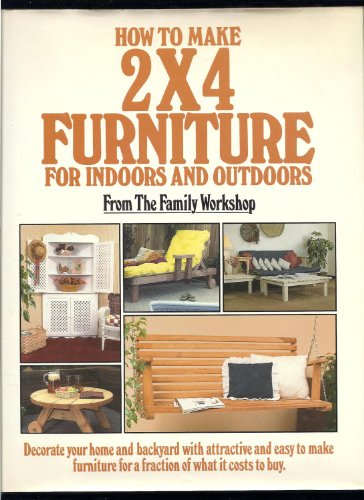
How to Make 2 X 4 Furniture for Indoors and Outdoors
Check price on Amazon
The Craft & Art of Bamboo, Revised & Updated: 30 Eco-Friendly Projects to Make for Home & Garden
Check price on Amazon
Easy Home Furniture Projects: 100 Indoor & Outdoor Projects You Can Build
Check price on Amazon
All about outdoor structures and furniture (Audel popular science mini-guide)
Check price on AmazonFinal Thoughts: Is Bamboo Right for You?
Bamboo outdoor furniture is an excellent choice for eco-conscious homeowners who value natural aesthetics, lightweight construction, and affordability. It is best suited to covered patios, screened porches, and moderate climates where it can be protected from prolonged moisture and intense UV exposure.
If you are willing to commit to a simple annual maintenance routine, bamboo can deliver years of beauty and functionality. However, if you live in a harsh climate or prefer a truly low-maintenance solution, you may want to explore aluminum or high-quality resin wicker instead.
Whichever direction you choose, make sure to consult our first outdoor furniture checklist and avoid the common buying mistakes that cost homeowners time and money.
Last updated: September 30, 2026