
Wobbly Furniture Joint Fix: DIY Guide to Stabilize Patio Furniture
Learn how to fix wobbly furniture joints on outdoor patio furniture with our step-by-step DIY repair guide. Stabilize loose legs, wobbly chairs, and unstable tables for safe, comfortable outdoor living.
There is nothing more frustrating than sitting down on your favorite patio chair only to feel it wobble beneath you. A wobbly furniture joint is not just an annoyance—it is a safety hazard that can lead to accidents and further damage to your outdoor furniture. Whether you have a wooden dining set, a wrought iron bench, or a resin wicker sofa, loose joints are a common problem that every outdoor furniture owner will face at some point.
The good news is that fixing a wobbly furniture joint is a straightforward DIY project that requires minimal tools and can be completed in under an hour. In this comprehensive guide, we will walk you through the causes of wobbly joints, the tools and materials you need, and a step-by-step repair process for different types of outdoor furniture materials. By the end, you will have the confidence to restore stability to your patio furniture and extend its lifespan for years to come.
💡 Quick Tip: Before you begin any repair, identify the exact source of the wobble. Sometimes the issue is a loose bolt, while other times it is a cracked wooden joint or a worn-out fastener. Diagnosing the problem correctly will save you time and ensure a lasting fix.
Why Do Outdoor Furniture Joints Become Wobbly?
Outdoor furniture is constantly exposed to the elements, which takes a toll on even the most durable materials. Understanding the root causes of a wobbly joint will help you choose the right repair method and prevent future issues. Here are the most common reasons why outdoor furniture joints loosen over time:
- Expansion and Contraction: Wood and metal expand in heat and contract in cold. This constant movement gradually loosens fasteners and creates gaps in joints.
- Moisture Damage: Rain and humidity can cause wood to swell, crack, or rot, weakening the joint structure. Metal components may rust, reducing their holding power.
- Loose or Missing Fasteners: Screws, bolts, and nuts vibrate loose over time, especially if they were not tightened properly during assembly.
- Worn-Out Glue or Adhesive: Many wooden joints rely on glue. Over time, UV exposure and moisture break down the adhesive bond.
- Normal Wear and Tear: Frequent use, dragging furniture across surfaces, and heavy weight can stress joints beyond their design limits.
- Poor Initial Construction: Budget furniture may use low-quality fasteners or skip essential reinforcement, making joints prone to wobbling from the start.
If you are dealing with rusted fasteners in addition to wobbly joints, our guide on rust removal for outdoor furniture will help you address that issue simultaneously. For furniture that has been stored away for winter, a thorough spring prep routine can catch loose joints before they become a bigger problem.
Tools and Materials You Will Need
Before you start, gather all the necessary tools and materials. Having everything within reach will make the repair process smooth and efficient.
| Tool / Material | Purpose | Estimated Cost |
|---|---|---|
| Wrench Set (Adjustable or Socket) | Tightening bolts and nuts on metal and wooden furniture | $15–$40 |
| Screwdriver Set (Phillips & Flathead) | Tightening or replacing screws | $10–$25 |
| Wood Glue (Waterproof) | Reinforcing wooden joints | $5–$12 |
| Epoxy Adhesive (Two-Part) | Bonding metal, wood, and synthetic materials | $8–$15 |
| Wooden Dowels or Toothpicks | Filling stripped screw holes | $3–$8 |
| Thread-Locking Compound | Preventing bolts from loosening again | $6–$12 |
| Replacement Fasteners (Bolts, Screws, Nuts) | Replacing rusted or broken hardware | $5–$20 |
| Clamps (Bar or Spring) | Holding joints tight while glue dries | $10–$30 |
| Sandpaper (Medium & Fine Grit) | Smoothing rough edges and preparing surfaces | $4–$10 |
| Rubber Mallet | Gently tapping joints into place without damaging material | $8–$15 |
For a more comprehensive list of hardware and components, refer to our outdoor fastener guide, which covers everything from bolts to brackets. If your furniture uses hinges that have become loose, our outdoor furniture hinge guide provides specialized advice for those components.
Step-by-Step Wobbly Joint Repair Guide
Follow these steps in order for the best results. The process may vary slightly depending on your furniture material, but the core principles remain the same.
Diagnose the Wobble
Turn the furniture upside down and gently rock it to identify which joint is loose. Check all connection points—legs, arms, backrests, and cross-braces. Mark the problematic areas with painter's tape.
Tighten Existing Fasteners
Before applying any adhesive, try tightening all visible screws, bolts, and nuts. Use the appropriate wrench or screwdriver. If a fastener spins freely, the hole may be stripped—proceed to step 3.
Repair Stripped Screw Holes
For stripped holes, insert a wooden dowel or several toothpicks coated in wood glue. Let the glue dry, then trim the dowel flush with the surface. This creates new material for the screw to bite into.
Apply Adhesive to Loose Joints
For wooden joints that have separated, apply waterproof wood glue to both surfaces. For metal or synthetic joints, use two-part epoxy. Clamp the joint tightly and wipe away excess adhesive immediately.
Reinforce with Brackets or Braces
If the joint is inherently weak, add a metal L-bracket or corner brace for extra support. This is especially effective for chairs and tables that bear heavy loads. Pre-drill holes to avoid splitting wood.
Allow Proper Curing Time
Let all adhesives cure for at least 24 hours before using the furniture. Check the manufacturer's instructions for specific curing times. Rushing this step will result in a failed repair.
Test and Re-Tighten
After curing, test the furniture for stability. Re-tighten any fasteners that may have loosened during the repair. Apply thread-locking compound to bolts to prevent future loosening.
Apply Protective Finish
For wooden furniture, apply a fresh coat of moisture-sealing finish to protect the repaired joint from future water damage. See our wood moisture sealing guide for detailed instructions.
Material-Specific Repair Tips
Different outdoor furniture materials require different approaches. Here is how to tailor your repair for the most common materials:
Wood Furniture (Teak, Acacia, Eucalyptus, Cedar): Wooden joints are best repaired with waterproof wood glue and dowels. If the wood has rotted, you may need to cut out the damaged section and splice in a new piece. For teak furniture, use teak oil after repair to restore its natural oils. Our teak wood guide covers long-term care in detail.
Metal Furniture (Aluminum, Wrought Iron, Stainless Steel): Metal joints typically rely on bolts and screws. Replace any rusted fasteners with stainless steel or galvanized alternatives. Apply thread-locking compound to prevent vibration from loosening bolts. For aluminum furniture, be careful not to overtighten, as aluminum threads strip easily. Refer to our aluminum furniture guide for more maintenance tips.
Resin Wicker and Plastic Furniture: These materials are more challenging to repair with traditional adhesives. Two-part epoxy designed for plastics works best. If the wicker strands themselves are broken, our broken wicker strand repair guide provides specialized techniques. For structural joints, adding a metal bracket is often the most reliable solution.
Bamboo Furniture: Bamboo is prone to splitting. Use wood glue and wrap the joint tightly with waxed cord or stainless steel wire for reinforcement. Our bamboo furniture guide offers additional care advice.
How to Prevent Future Wobbly Joints
Prevention is always better than repair. By following these maintenance practices, you can keep your outdoor furniture stable and safe for years:
- Regular Inspections: Check all joints at the beginning of each season and after severe weather events. Tighten any loose fasteners immediately.
- Use Thread-Locking Compound: Apply a small amount to all bolts and screws during assembly or after tightening. This prevents vibration from loosening them.
- Keep Furniture Dry: Use furniture covers during rainy seasons and store cushions separately. Moisture is the enemy of all furniture joints.
- Apply Protective Finishes: Reapply wood sealant, metal polish, or UV protectant annually. Our weekly upkeep guide provides a simple maintenance schedule.
- Avoid Dragging: Always lift furniture when moving it. Dragging stresses joints and can cause immediate loosening.
- Use Furniture Glides: Install furniture glides on legs to reduce friction and prevent joint stress when moving.
- Address Rust Immediately: Rust weakens metal fasteners. Treat rust as soon as you spot it using our rust removal guide.
For a comprehensive seasonal maintenance plan, refer to our winterizing guide and spring prep guide. Proper storage during off-season months, as outlined in our garage storage guide, will also dramatically extend the life of your furniture joints.
When to Call a Professional
While most wobbly joints can be fixed with basic DIY skills, some situations require professional attention:
- The joint is severely cracked or the material is completely broken
- Multiple joints are loose and the structural integrity of the furniture is compromised
- The furniture is made of expensive materials like high-end teak or custom wrought iron
- You lack the necessary tools or are uncomfortable with DIY repairs
- The furniture is still under warranty—attempting DIY repairs may void it
If you decide to replace rather than repair, our shopping and reviews hub can help you find durable replacement furniture. For budget-conscious buyers, check our affordable furniture picks, while those seeking premium options can explore our luxury collections.
Ready to Stabilize Your Outdoor Furniture?
Explore our curated selection of repair tools and replacement hardware to complete your wobbly joint fix today.
Explore Care & Maintenance GuidesRecommended Products for Wobbly Furniture Joint Repair
⚠️ AFFILIATE DISCLOSURE: This website contains affiliate links. As an affiliate Associate, we earn from qualifying purchases. If you make a purchase through these links, we may receive a small commission at no additional cost to you. Read our full affiliate policy.

Wonderlokking Tite Chairs, Adhesive for Chair Joint and Furniture Repair by PC-Products, 5 gram 208120
Check price on Amazon
Furniture Leveler 12pcs Kit Size Variety | Multi-Purpose Rubber Shim for Leveling Feet Stable | Anti-Wobble Pad for Uneven Table, Dresser Leg, Toliet and More Furniture | Prevent from Wobbling
Check price on Amazon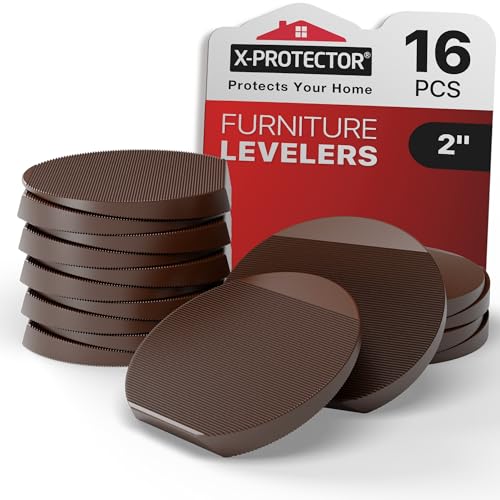
X-Protector Furniture Levelers - 16 PCS 2" Brown Rubber Shims for Leveling | Multi-Purpose Leveling Feet to Prevent Furniture from Wobbling, Damage & Noise - Good for All Kinds of Furnishings!
Check price on Amazon
Quick Snap Furniture Wedge Shims for Leveling (12 Pack) 5-1/2-Inch Length | Anti-Wobble Furniture Wedge Levelers Protect Floors, Stablize Uneven Table Legs, Couch Feet, Chairs, Multi-Use, Made in USA
Check price on Amazon
26 Pack L Bracket Corner Brace Kit, 3 Sizes Stainless Steel Corner Bracket | 90 Degree Right Angle Bracket, Black Metal L Brackets for Wood Shelves, Furniture Cabinet Drawer Chair, 88PCS Screws
Check price on Amazon
Hordion 10Pcs 2 x 2'' T Bracket, Black Repair Plates T Shaped Support Brace | Flat T-shape brace set, wood joint repair use, cabinet shelf frame fix
Check price on Amazon
Furniture Levelers, Flexible Plastic Shims - 100 Pack | Furniture Leveling Wedge Shims Anti-Wobble Pad for Chair Table Couch Bed Toilet for Home Improvement, White
Check price on Amazon