
Vintage Patio Furniture Restoration: Complete DIY Guide
Bring your cherished antique and vintage outdoor furniture back to life. Learn professional restoration techniques for metal, wood, and wicker pieces.
START RESTORINGWhy Restore Vintage Patio Furniture? There is something deeply rewarding about rescuing a piece of outdoor furniture that has weathered decades of sun, rain, and memories. Vintage patio furniture—whether it's a wrought iron glider from the 1950s, a mid-century wooden bench, or a retro metal bistro set—carries character and craftsmanship that modern mass-produced pieces often lack. Restoration not only preserves these treasures but also keeps them out of landfills. With the right techniques, you can transform a rusty, faded, and wobbly piece into a stunning focal point for your outdoor space. This comprehensive guide walks you through every stage of the restoration process, from assessment and disassembly to refinishing and reassembly.
Why Vintage Patio Furniture Is Worth Restoring
Before diving into the restoration process, it's worth understanding why vintage outdoor furniture deserves a second chance. Older pieces were often built with solid materials like cast aluminum, wrought iron, and dense hardwoods—materials that modern budget furniture frequently substitutes with thin tubing and resin composites. A well-restored vintage piece can easily outlast a new discount purchase. Additionally, vintage furniture often features unique designs—scalloped edges, intricate scrollwork, and tapered legs—that add instant character to your patio. From a sustainability perspective, restoration is the ultimate form of recycling. If you're exploring broader options for updating your outdoor space, our guide to outdoor furniture types can help you understand how vintage pieces fit into a modern patio layout. For those interested in the material side, our outdoor furniture materials hub provides a deep dive into wood, metal, and synthetic options.
Sustainability
Keep durable materials out of landfills and reduce demand for newly manufactured furniture.
Cost Savings
Restoring a vintage piece often costs a fraction of buying a comparable new set.
Unique Character
Vintage designs offer details and craftsmanship rarely found in modern furniture.
Built to Last
Older furniture was often constructed with heavier, more durable materials.
Step 1: Assessing Your Vintage Piece
The first step in any restoration project is a thorough assessment. Not every piece is a good candidate—some may have structural damage or rust so severe that restoration costs exceed replacement value. Start by examining the frame for cracks, bends, or breaks. Check joints for looseness and look for rust that has penetrated deeply into the metal. For wooden pieces, probe for soft spots that indicate rot. Surface rust and faded paint are easy fixes; structural compromise is a different story. If you're unsure whether a piece is worth saving, our guide on pre-owned outdoor furniture offers tips on evaluating used pieces. For wooden furniture specifically, understanding the original material helps—our teak wood guide and acacia wood guide explain how different woods weather and age.
Step-by-Step Vintage Patio Furniture Restoration
Restoration follows a logical sequence: disassemble, clean, repair, refinish, and reassemble. Each stage builds on the previous one, so patience and thoroughness are key. The following steps apply broadly to metal, wood, and wicker vintage furniture, with material-specific notes throughout.
1 Disassembly & Documentation
Before taking anything apart, photograph the piece from multiple angles. Label screws, bolts, and hardware in separate bags. Disassemble as much as possible to access all surfaces. If a joint is rusted shut, apply penetrating oil and wait before forcing it.
2 Deep Cleaning
Remove years of dirt, mildew, and grime. For metal, use a wire brush and a degreaser. For wood, use a mild detergent and a soft brush, then let it dry completely. For wicker, a vacuum with a brush attachment works well. Our deep cleaning guide covers advanced techniques.
3 Rust & Damage Removal
For metal furniture, remove rust with a wire wheel, sandpaper, or a chemical rust remover. Treat remaining rust with a rust converter. For wooden pieces, sand away damaged fibers and fill cracks with wood filler. Our rust removal guide provides detailed methods.
4 Structural Repairs
Reinforce wobbly joints with epoxy or new fasteners. Replace missing or broken hardware. For wicker, re-weave broken strands using matching material. For wood, re-glue loose joints and clamp until dry. Our wobbly joint fix guide and wicker strand repair guide are helpful resources.
5 Surface Preparation
Sand all surfaces to create a smooth, paintable finish. For metal, use a self-etching primer. For wood, apply a wood conditioner. Wipe away all dust with a tack cloth. Proper preparation is the difference between a finish that lasts and one that peels.
6 Priming & Painting
Apply a high-quality outdoor primer, then two thin coats of exterior-grade paint or enamel. For a vintage look, consider a spray finish for smooth coverage. Our metal furniture paint refresh guide and refinishing guide offer detailed instructions.
7 Sealing & Protection
For wooden furniture, apply a marine-grade sealant or oil to protect against moisture and UV damage. Our wood moisture sealing guide explains the best products and techniques. For metal, a clear coat prevents future rust.
8 Reassembly & Finishing Touches
Reassemble the piece using new stainless steel fasteners where possible. Add new glides to protect your patio surface. If cushions are needed, our outdoor cushion selection guide and cushion foam replacement guide can help you complete the look.
Material-Specific Restoration Considerations
Different materials require different approaches. The table below summarizes key considerations for the most common vintage patio furniture materials. For a deeper dive into any specific material, explore our guides on wrought iron, aluminum, resin wicker, and cedar wood.
| Material | Common Issues | Best Restoration Approach | Estimated Cost |
|---|---|---|---|
| Wrought Iron | Rust, peeling paint, bent frames | Wire brush, rust converter, enamel paint, heat straightening for bends | $150–$500 |
| Cast Aluminum | Oxidation, faded finish, loose joints | Sand, self-etching primer, spray paint, tighten or replace hardware | $100–$350 |
| Solid Wood (Teak, Cedar) | Graying, cracks, rot, loose joints | Sand, wood filler, marine sealant or oil, re-glue joints | $200–$600 |
| Resin Wicker | Fading, brittle strands, sagging | Clean, re-weave with matching strands, paint with bonding primer | $80–$300 |
| Metal & Wood Combos | Mixed deterioration, rust stains on wood | Separate materials, treat each appropriately, use isolating primer | $250–$700 |
⚠️ Safety First: Vintage furniture may have lead-based paint (pre-1978), especially on metal pieces. Always wear a respirator and gloves when sanding or removing old paint. Test for lead using a home test kit before sanding. Work in a well-ventilated area and dispose of paint chips responsibly. If you suspect lead paint, consider chemical stripping rather than sanding to minimize airborne particles.
Realistic Timeline for a Vintage Restoration Project
Restoration is not a weekend project for most pieces. Expect the following timeline for a typical vintage patio chair or small table. Larger pieces like sofas or dining sets may take longer. If you need your outdoor space functional quickly, consider a temporary solution while you work—our affordable outdoor furniture picks can fill the gap.
Day 1: Assessment & Disassembly
Photograph, label hardware, disassemble, and clean the piece. Apply penetrating oil to stuck joints and let sit overnight.
Days 2–3: Rust & Damage Removal
Remove rust, sand surfaces, and repair structural damage. This is the most labor-intensive phase.
Days 4–5: Priming & Painting
Apply primer and allow to dry fully. Apply two coats of paint, allowing proper drying time between coats.
Days 6–7: Sealing & Reassembly
Apply protective sealant, reassemble the piece, and add new glides or hardware. Allow final cure time before use.
How Much Does Vintage Patio Furniture Restoration Cost?
The cost of restoration depends on the piece's size, material, and condition. A small metal chair might cost $80–$200 in materials, while a large wooden dining set could run $500–$1,200. Professional restoration services charge significantly more—often $300–$2,500 per piece depending on complexity. For most DIYers, the material cost is manageable, especially when compared to buying new. If you're weighing restoration against replacement, our outdoor furniture buying mistakes guide can help you avoid common pitfalls. For budget-friendly alternatives, explore our mid-range furniture picks.
Frequently Asked Questions
Can any vintage patio furniture be restored?
Most pieces can be restored if the frame is structurally sound. Pieces with severe rust penetration, extensive rot, or missing structural components may not be worth the investment. Assess honestly before committing.
How do I know if my vintage furniture has lead paint?
Furniture painted before 1978 may contain lead. Use a home lead test kit (available at hardware stores) to check. If lead is present, use chemical strippers rather than sanding, and wear proper protective equipment.
What is the best paint for vintage metal patio furniture?
For metal, use a self-etching primer followed by a high-quality exterior enamel or spray paint designed for metal. Brands like Rust-Oleum and Krylon offer excellent options. Always apply thin coats to avoid drips.
How do I restore faded resin wicker?
Clean thoroughly, then apply a bonding primer made for plastic. Follow with a spray paint designed for outdoor plastics. For broken strands, re-weave with matching resin wicker strands available online. Our wicker cleaning guide has more details.
Should I use oil or sealant on restored wooden furniture?
It depends on the wood and your preference. Oil (like teak oil) penetrates and nourishes the wood, enhancing its natural look. Sealants (like marine varnish) create a protective film. For outdoor furniture, a marine-grade sealant offers the best UV and moisture protection. See our moisture sealing guide for details.
How do I prevent future rust on restored metal furniture?
After painting, apply a clear protective coat. Touch up any chips immediately. Store furniture under cover during winter months, or use a quality furniture cover. Our rust-proofing guide offers more prevention strategies.
Pro Tips for a Professional Finish
These tips come from experienced restorers and can elevate your project from good to exceptional:
- Take your time with preparation. 80% of a quality finish comes from proper sanding and cleaning before paint.
- Use thin coats. Multiple thin coats of paint or sealant outperform one thick coat every time.
- Invest in quality brushes and sprayers. Cheap tools leave brush marks and uneven coverage.
- Label everything during disassembly. A photo and a marker save hours of confusion during reassembly.
- Replace all fasteners with stainless steel. This prevents future rust and makes the next restoration easier.
- Consider powder coating for metal. For a truly durable finish, professional powder coating is worth the investment for heavily used pieces.
- Don't forget the glides. New furniture glides protect your patio surface and reduce noise.
- Test your finish. Apply paint or sealant to a hidden area first to check color and compatibility.
Ready to Restore Your Vintage Patio Furniture?
You now have the complete roadmap to bring your antique outdoor pieces back to life. From assessment to finishing touches, every step is within reach with patience and the right materials.
SHOP RESTORATION ESSENTIALSRecommended Products for Vintage Patio Furniture Restoration
⚠️ AFFILIATE DISCLOSURE: This website contains affiliate links. As an affiliate Associate, we earn from qualifying purchases. If you make a purchase through these links, we may receive a small commission at no additional cost to you. Read our full affiliate policy.

Rejuvenate Outdoor Restorer 16 Oz, Multi-Surface Formula | Restores Faded Vinyl, Plastic, Stone & Metal; Use on Patio Furniture, Shutters & Grills, Covers up to 800 Sq. Ft.
Check price on Amazon
Aluminum Cleaner & Restorer Brightens Patio Furniture, Wrought Iron & Metal | Removes Oxidation, Brightens & Restores Color to Painted Metal, Patio Furniture & Outdoor Surfaces, Made in USA, 16 OZ
Check price on Amazon
Furniture Clinic Garden Furniture Restoration Kit, Revives & Protects Wood | 3-step wood restoration kit includes cleaner, brightener & oil. Great for outdoor patio furniture, marine teak, & more.
Check price on Amazon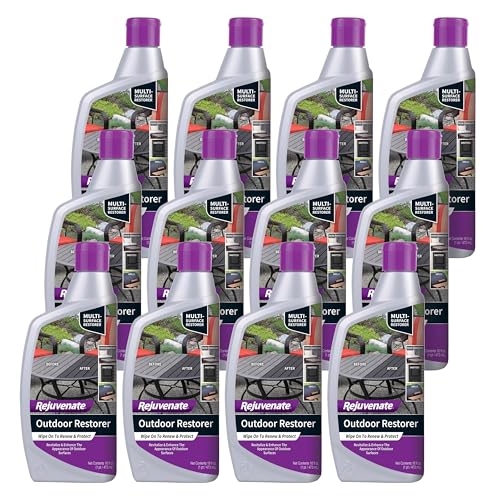
Rejuvenate Outdoor Restorer 16 Oz, Multi-Surface Formula, 12 Pack | Restores Faded Vinyl, Plastic, Stone & Metal, Use on Patio Furniture, Shutters & Grills, Covers up to 800 Sq. Ft.
Check price on Amazon
AL-NEW Aluminum Restoration Cleaning Solution Protect | Clean & Protect Patio Furniture, Stainless Steel, & Other Household Metal Surfaces (16oz.)
Check price on Amazon
Golden Care Vintage Teak Protector (Pack of 2), 1 Liter Bottles, Water Based Sealer for Weathered Outdoor Furniture, Helps Preserve Silver Grey Driftwood Patina and Helps Protect Teak from UV and Rain
Check price on Amazon
Milsek Antiques & Restoration Wood Polish 12 oz | Cleans, restores, and polishes antique furniture and heirloom wood while enhancing natural beauty.
Check price on Amazon