
Garden Bench Buying Guide: Find Your Perfect Outdoor Seat
A garden bench is more than just a place to sit—it's a focal point for relaxation, conversation, and quiet contemplation. Whether you're looking for a sturdy wooden bench for a flower garden or a sleek metal design for a modern patio, this guide will help you choose the right one for your space and lifestyle.
Why a Garden Bench? Unlike chairs that can be moved and rearranged, a bench anchors your outdoor space. It invites you to slow down, enjoy the view, and connect with nature. From classic park-style benches to contemporary backless designs, the right bench enhances both the beauty and functionality of your garden.
Types of Garden Benches: Which Style Suits Your Space?
Garden benches come in a variety of designs, each suited to different settings and purposes. Understanding the main types will help you narrow down your options.
1. Traditional Park-Style Benches
These iconic benches feature a curved backrest and armrests, often made from wood or metal. They are designed for comfort and are perfect for gardens, parks, and large patios. If you love the classic look, a park-style bench adds timeless charm to any outdoor area.
2. Backless Benches
Backless benches are versatile and space-saving. They can be placed against a wall, used as a footrest, or positioned in the middle of a garden. They work well in small spaces and are easy to move. For a durable option, consider a wooden backless bench that can double as a coffee table or display surface.
3. Storage Benches
If you need both seating and storage, a storage bench is a smart choice. These benches often have a lift-up lid or drawers, perfect for storing cushions, gardening tools, or outdoor toys. A white storage bench can seamlessly blend into a coastal or cottage-style garden.
4. Convertible and Multi-Function Benches
Some benches are designed to serve multiple purposes. For example, a potting bench with wheels can be used for gardening tasks and then rolled away. These are ideal for hobby gardeners who need a functional workspace that doesn't sacrifice style.
Material Matters: Wood, Metal, or Synthetic?
The material you choose affects the bench's durability, maintenance, and appearance. Here's a breakdown of the most common options.
Wooden Benches
Wood is a classic choice for garden benches. It's warm, natural, and blends beautifully with outdoor surroundings. However, different woods have different durability levels.
- Teak: Highly durable and naturally resistant to rot and insects. It weathers to a beautiful silver-gray if left untreated. A teak bench is an investment that can last for decades.
- Acacia: A more affordable hardwood that is sturdy and water-resistant. It requires occasional sealing to maintain its color.
- Cedar: Naturally resistant to decay and insects, cedar is lightweight and aromatic. It's a great choice for a rustic-style bench.
- Pine: Budget-friendly but requires regular painting or sealing to prevent rot. Best for covered porches.
Metal Benches
Metal benches are known for their strength and sleek appearance. They are often powder-coated to prevent rust.
- Cast Iron: Extremely heavy and durable, often used for ornate, vintage-style benches. A cast iron bench can last for generations but may need repainting.
- Wrought Iron: Similar to cast iron but more malleable, allowing for intricate designs. A white wrought iron bench adds elegance to a formal garden.
- Aluminum: Lightweight and rust-resistant. Ideal for modern, minimalist gardens. It won't rust but can dent.
- Steel: Strong and affordable, but must be powder-coated to prevent rust. A black metal bench offers a contemporary look.
Synthetic and Recycled Materials
These benches are low-maintenance and eco-friendly.
- Resin Wicker: Looks like natural wicker but is weather-resistant. A wicker bench can be paired with comfortable cushions for a cozy feel.
- Recycled Plastic: Durable, fade-resistant, and never needs painting. Often made from recycled milk jugs. A plastic bench is a practical choice for busy families.
- Concrete: Extremely durable and heavy. Often used for permanent installations in public gardens. Not easily moved.
Size & Placement: Finding the Right Fit
Before you buy, measure your space and consider how you'll use the bench. A bench that's too large will overwhelm a small patio, while one that's too small will look lost in a large garden.
Standard Bench Dimensions
- 2-Seater: 4 to 5 feet wide. Ideal for small gardens, balconies, and porches. A compact bench is perfect for tight spaces.
- 3-Seater: 5 to 6 feet wide. The most common size, suitable for most gardens and patios.
- 4-Seater or Larger: 6 to 8 feet wide. Best for large gardens, parks, or commercial spaces.
Placement Tips
Think about the purpose of your bench. Do you want to sit and admire a flower bed? Place it facing the garden. Do you want a quiet spot to read? Tuck it under a tree or beside a garden lamp for evening reading. If you're creating a conversation area, pair your bench with a coffee table or a side table for drinks.
Comfort & Ergonomics: Don't Sacrifice Comfort for Style
A bench should be comfortable enough to sit on for extended periods. Look for these features:
- Seat Depth: Ideally 16 to 18 inches deep. Deeper seats may require cushions for support.
- Seat Height: 17 to 18 inches from the ground is standard for easy sitting and standing.
- Backrest Angle: A slight recline (100 to 110 degrees) is more comfortable than a straight back.
- Armrests: Helpful for getting up, especially for elderly users. A rocking chair for elderly users often features higher armrests for added support.
If you choose a wooden or metal bench without cushions, consider adding seat cushions for extra comfort. For a cohesive look, match your bench cushions with grey outdoor chair cushions or other outdoor furniture.
Maintenance: Keep Your Bench Looking New
Different materials require different care routines.
- Wood: Clean with mild soap and water. Reapply sealant or oil annually. Teak can be left to weather naturally.
- Metal: Wipe down with a damp cloth. Touch up paint chips to prevent rust. For wrought iron, apply a rust-inhibiting primer before painting.
- Wicker: Vacuum or brush away debris. Wash with soapy water and rinse. Avoid pressure washing.
- Plastic: Simply hose down. Use a mild detergent for stubborn stains.
For more detailed care instructions, refer to our outdoor furniture care hub.
Budget: How Much Should You Spend?
Garden bench prices vary widely based on material, size, and craftsmanship.
- Budget-Friendly (Under $150): Plastic or basic metal benches. Good for temporary use or tight budgets.
- Mid-Range ($150–$500): Wooden benches (acacia, cedar) and quality metal benches. A solid investment for most homeowners.
- Premium ($500–$1,500): Teak, high-end wrought iron, and custom designs. Built to last for decades.
- Luxury ($1,500+): Artisan-crafted benches, large custom pieces, and designer brands.
Remember, a higher upfront cost often means lower maintenance and greater durability. For a budget-friendly option, check out wood benches for sale or bench clearance deals.
Recommended Garden Benches
⚠️ AFFILIATE DISCLOSURE: This website contains affiliate links. As an affiliate Associate, we earn from qualifying purchases. If you make a purchase through these links, we may receive a small commission at no additional cost to you. Read our full affiliate policy.
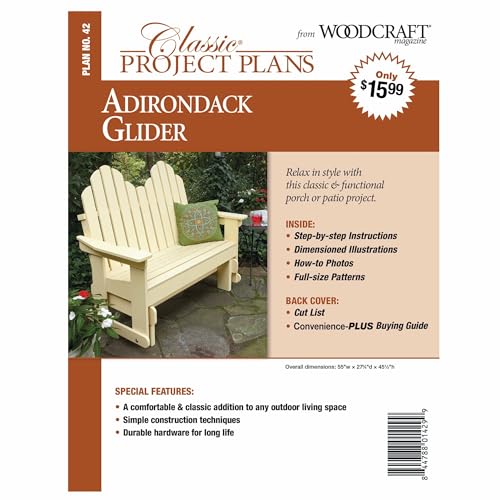
Adirondack Glider - Paper Plan - Material Not Included
Check price on Amazon
Giantex Outdoor Wooden Garden Bench - 2-Person Acacia Wood Loveseat with Armrests, Backrest, 800lbs Capacity, Patio Park Bench for Backyard, Front Porch Bench (Non-Foldable)
Check price on Amazon
SporGain Lawn Mower Blade Sharpener & Mower Blade Balancer 15°-45° Adjust | Lawnmower Blade Sharpener Jig with Lawn Mower Blade Balancer Tool Premium Universal Suit for Many Types of Mower Blades, Dark
Check price on Amazon
Professional Goldsmithing: A Contemporary Guide to Traditional Jewelry Techniques
Check price on Amazon
Pyrography Workbook: A Complete Guide to the Art of Woodburning (Fox Chapel Publishing) Step-by-Step Projects and Patterns with Texture, Shading, and Color Techniques for Woodburners
Check price on Amazon
Woodworking with the Router, Revised and Updated: Professional Router Techniques and Jigs Any Woodworker Can Use (Fox Chapel Publishing) Comprehensive, Beginner-Friendly Guide (American Woodworker)
Check price on Amazon
Learn to Carve Gnomes, Trolls, and Mythical Creatures: 15 Simple Step-by-Step Projects (Fox Chapel Publishing) Woodcarving Plans & Instructions for a Unicorn, Wizard, Dragon, Elf, Toad, Owl, and More
Check price on AmazonFinal Checklist Before You Buy
Use this checklist to ensure you've considered everything:
- ✅ Measured your space (width, depth, and height clearance).
- ✅ Decided on the primary purpose (relaxation, dining, storage, decoration).
- ✅ Chosen a material that suits your climate and maintenance willingness.
- ✅ Tested the comfort (seat depth, height, backrest angle).
- ✅ Checked the weight capacity (especially for metal and plastic benches).
- ✅ Considered weather conditions (UV resistance, rust-proofing, rot resistance).
- ✅ Reviewed warranty and return policy.
- ✅ Budgeted for cushions, covers, and maintenance supplies.
With this guide, you're ready to choose a garden bench that will be a cherished part of your outdoor space for years to come. Whether you're creating a quiet reading nook or a lively gathering spot, the right bench makes all the difference.