Cushioned vs Cushionless Outdoor Furniture: Which Is Best?
Discover the real differences in comfort, durability, cost, and maintenance so you can choose the right patio seating for your outdoor lifestyle.
See the ComparisonQuick Answer: Cushioned outdoor furniture wins on comfort and style, while cushionless furniture wins on durability, low maintenance, and budget. The best choice depends on your climate, how often you use the furniture, and how much upkeep you are willing to do. This guide breaks down every factor so you can decide with confidence.
When you are shopping for new patio seating, one of the most important decisions you will face is whether to buy cushioned or cushionless outdoor furniture. Both styles appear in every category, from outdoor sofas and outdoor sectionals to lounge chairs and dining chairs. Each has real advantages and real drawbacks, and choosing the wrong one for your situation can lead to discomfort, wasted money, or endless maintenance headaches.
This guide compares cushioned and cushionless outdoor furniture across the factors that matter most: comfort, weather resistance, cost, cleaning, lifespan, and style flexibility. By the end, you will know exactly which type fits your patio, your climate, and your daily routine.
What Is Cushioned Outdoor Furniture?
Cushioned outdoor furniture is any seating that includes removable or attached foam-filled pads covered in weather-resistant fabric. Common examples include deep-seat patio sofas, conversation sets, outdoor couches, and cushioned outdoor chairs. The cushions are typically made from open-cell or closed-cell foam and wrapped in solution-dyed acrylic, olefin, or polyester fabric designed to resist fading, water, and mildew.
Cushioned furniture is the gold standard for lounging. It transforms a hard frame into a plush, living-room-like experience, which is why it dominates resort patios, luxury backyards, and any space designed for long, relaxed gatherings.
What Is Cushionless Outdoor Furniture?
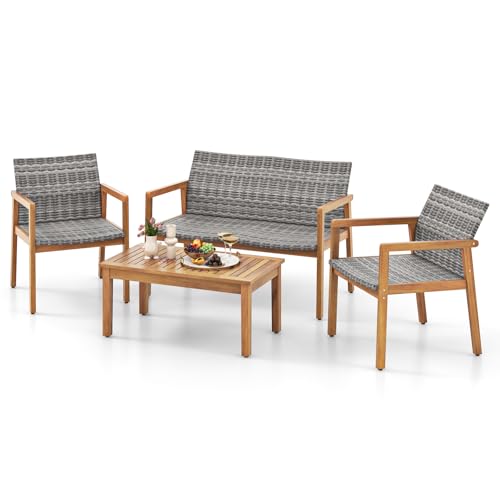
Cushionless outdoor furniture has no separate pads. Instead, the seat and back are formed from materials that are comfortable on their own, such as sling fabric, mesh, resin wicker, molded plastic, or contoured wood and metal. Examples include classic sling chairs, garden benches, folding chairs, and many dining sets.
Cushionless designs are built for real outdoor life. They shed rain, dry quickly, and never need to be stored away when the weather turns. For many homeowners, that convenience is worth more than the extra plushness of a cushion.
Cushioned vs Cushionless: Side-by-Side Comparison
The table below summarizes how the two styles compare across the most important buying factors. Use it as a quick reference, then read the detailed sections that follow.
| Factor | Cushioned | Cushionless |
|---|---|---|
| Comfort | Excellent; plush foam support | Good; depends on contour and material |
| Upfront Cost | Higher ($800–$2,500+ for sets) | Lower ($300–$1,200 for sets) |
| Maintenance | High; cleaning, storing, replacing | Low; wipe down and rinse |
| Weather Resistance | Moderate; cushions degrade over time | High; built to stay outside |
| Lifespan | Frame 5–15 yrs, cushions 2–5 yrs | 5–20 yrs depending on material |
| Style Flexibility | High; swap fabrics and colors | Limited; fixed color and texture |
| Best For | Lounging, entertaining, mild climates | Busy households, harsh weather, budget |
Comfort: Cushions Win, But Not by a Landslide
Comfort is the number one reason people choose cushioned furniture. A thick foam cushion distributes body weight, relieves pressure points, and softens the hard edges of a frame. If you plan to spend hours reading, napping, or hosting long dinners, cushions make a noticeable difference.
That said, modern cushionless furniture is far more comfortable than the rigid metal chairs of the past. Sling chairs conform to your body, mesh seats breathe in hot weather, and ergonomic lounge chairs are shaped to support the spine without padding. If you have back issues or prefer firmer support, a well-designed cushionless chair can actually be more comfortable than a soft, sagging cushion.
One practical compromise many buyers choose is a cushionless frame paired with a small seat cushion or padding. This gives you the best of both worlds: a weatherproof base with just enough softness where it counts.
Durability and Weather Resistance
Cushionless outdoor furniture is the clear winner on durability. Without fabric and foam, there is nothing to rot, mildew, fade, or compress over time. A powder-coated aluminum, teak, or HDPE frame can last a decade or more with almost no care. This is why durable outdoor furniture guides almost always recommend cushionless designs for harsh climates.
Cushioned furniture is more vulnerable. Even the best outdoor fabric will eventually fade or weaken under intense UV exposure, and foam can hold moisture if it is not dried properly. High-quality solution-dyed acrylic cushions can last three to five seasons, but cheaper polyester cushions may need replacing after just one or two years. If you live in a region with heavy rain, humidity, or strong sun, plan on storing cushions when they are not in use or investing in a covered setup.
For a deeper look at how different frame materials handle the elements, see our comparisons of wicker vs metal and wood vs resin outdoor furniture.
Cost: What You Pay Upfront and Over Time
Cushionless furniture almost always costs less upfront. A basic cushionless outdoor dining set typically runs $300–$1,200, while a comparable cushioned set can easily reach $800–$2,500 or more. The difference comes from the foam, the fabric, and the labor required to sew and fit the cushions.
But upfront price is not the whole story. Cushioned furniture carries ongoing costs: replacement replacement cushions, protective covers, and cleaning supplies. Over a ten-year period, those extras can add hundreds of dollars. Cushionless furniture has almost no ongoing cost beyond occasional cleaning.
If budget is your primary concern, cushionless is the smarter buy. If you value comfort and are willing to maintain your investment, cushioned furniture justifies its higher price. You can often find both types at a discount during seasonal outdoor furniture sales or clearance events.
Maintenance and Cleaning
Cushionless furniture is dramatically easier to maintain. Most frames can be cleaned with a garden hose, mild soap, and a soft brush. There is no fabric to stain, no foam to dry, and nothing to bring inside before a storm. For busy families and anyone who hates chores, this is a major advantage.
Cushioned furniture requires a regular routine. You need to:
- Brush off debris and vacuum crumbs regularly.
- Spot-clean stains before they set, following the fabric manufacturer's instructions.
- Dry cushions thoroughly after rain to prevent mildew.
- Store cushions in a storage box or storage cabinet during off-season or bad weather.
- Replace worn or compressed cushions every few seasons.
If you choose cushioned furniture, invest in quality covers and a dedicated storage solution. Our surface care guide walks through the best cleaning methods for every material.
Style and Design Flexibility
Cushioned furniture offers unmatched style flexibility. Because the cushions are separate, you can change the entire look of your patio by swapping fabrics. A neutral neutral palette can become a bold statement with new cushion covers, and you can layer in throw pillows to match the season. This makes cushioned sets ideal for anyone who loves to redecorate or follow trends.
Cushionless furniture is more fixed in its appearance. The color and texture are determined by the frame and the sling or mesh, so you cannot easily change them. However, cushionless designs often have a cleaner, more architectural look that suits modern and coastal spaces especially well. You can still add personality through accessories like umbrellas, rugs, and plants.
Which Should You Choose?
There is no single right answer. The best choice depends on how you use your outdoor space and what you are willing to maintain. Use the verdict cards below to find the option that matches your situation.
You Want Maximum Comfort
You entertain often, lounge for hours, live in a mild climate, and do not mind storing cushions. Cushioned furniture turns your patio into a true outdoor living room and lets you change the look with new fabrics.
You Want Low Maintenance
You live in a rainy, humid, or very sunny climate, have a busy household, or want furniture that can stay outside year-round without fuss. Cushionless designs are tough, affordable, and ready for anything.
Hybrid Approach
Buy a cushionless frame and add a small seat pad or a few accent cushions. You get the durability of a weatherproof base with just enough softness for comfortable everyday use.
Final Thoughts
Cushioned and cushionless outdoor furniture each solve different problems. Cushioned furniture prioritizes comfort, style, and versatility, while cushionless furniture prioritizes durability, low cost, and minimal maintenance. Neither is objectively better; the right pick is the one that fits your climate, your habits, and your budget.
If you are still exploring, browse our style and design hub for inspiration, or check out the highest-rated outdoor furniture and editor's choice picks to see what real buyers recommend. When you are ready to buy, the recommended products below are a great place to start.
Ready to Upgrade Your Patio?
Explore our top-rated cushioned and cushionless outdoor furniture picks, chosen for comfort, durability, and value.
Shop Recommended Picks