
Garden Furniture Activity Zones
Master the art of garden layout planning by dividing your outdoor space into dedicated activity zones. Learn how to position dining, lounging, and entertaining areas for maximum flow and functionality.
START PLANNINGWhy Activity Zones Matter: A well-designed garden isn't just about beautiful furniture—it's about creating distinct functional areas that serve different purposes. By thoughtfully dividing your outdoor space into activity zones, you'll improve traffic flow, maximize usability, and create a garden that feels intentional rather than cluttered. Whether you have a sprawling backyard or a compact patio, understanding how to zone your garden furniture is the key to an outdoor space that works for your lifestyle.
What Are Garden Furniture Activity Zones?
Garden furniture activity zones are designated areas within your outdoor space, each designed for a specific function. Just as a home has a kitchen for cooking, a living room for relaxing, and a dining room for eating, your garden should have clearly defined areas that support different activities. The concept is simple: instead of scattering furniture randomly across your lawn or patio, you group pieces together based on how they'll be used.
The most common activity zones include a dining zone for meals and entertaining, a lounging zone for relaxation and reading, a conversation zone for socializing, and a cooking zone if you have a grill or outdoor kitchen. For families with children, a play zone might also be essential. The key is to identify which activities matter most to you and allocate space accordingly.
When planning your zones, consider the natural flow of your garden. You'll want to avoid placing a quiet reading nook next to a bustling dining area. Similarly, you'll want to ensure that pathways between zones are wide enough for comfortable movement. Our guide to patio space planning provides a solid foundation for understanding the basics of outdoor layout, while the principles of deck furniture clearance rules will help you determine how much space each zone actually needs.
The Primary Garden Activity Zones
1. The Dining Zone: Center of Entertainment
The dining zone is often the heart of outdoor entertaining. This area should be positioned close to your home, ideally near a kitchen or grill for easy access to food and drinks. A proper dining zone requires enough space for a table and chairs, plus room for people to move around comfortably. For most families, a table that seats four to six people is ideal, though larger families or frequent entertainers may opt for a set that seats eight or more.
When selecting furniture for your dining zone, consider the size of your space and the number of people you typically host. A complete outdoor dining set is the most efficient way to furnish this zone, as it provides a coordinated table and chairs. For smaller gardens, a patio bistro set can serve as an intimate dining option, while a bar set adds a casual, social element. If your dining zone is part of a larger deck, a counter-height table can be a smart choice for maximizing views and space.
2. The Lounging Zone: Relaxation Central
The lounging zone is where you go to unwind—a place for reading a book, taking a nap, or simply enjoying the outdoors. This area works best in a quieter corner of your garden, away from the main traffic paths. Comfort is paramount here, so invest in pieces that prioritize relaxation. A patio sofa or sectional is a popular choice for lounging zones, offering ample seating for multiple people.
For a more personal retreat, consider a chaise lounge or a hanging chair—both are excellent for solo relaxation. If you have the space, a hammock or an outdoor daybed can transform a shaded corner into a luxurious retreat. Pair these with an outdoor ottoman for extra comfort and a side table for your drink or book.
3. The Conversation Zone: Social Connection
A conversation zone is designed for face-to-face interaction. Unlike a lounging zone, which is often oriented toward a view, a conversation zone encourages eye contact and easy dialogue. The classic arrangement is a circle or U-shape of chairs around a central coffee table or fire pit. This setup works beautifully for evening gatherings, cocktail hours, or simply catching up with family.
To create an inviting conversation zone, start with comfortable seating. Outdoor armchairs are ideal for this purpose, as they offer both comfort and a more upright posture that's conducive to conversation. A loveseat paired with armchairs can also work well, creating a semi-enclosed feel. Anchor the arrangement with a patio coffee table for drinks and snacks, and consider a garden bench for additional seating along a wall or border.
4. The Cooking Zone: Alfresco Culinary Space
If you love grilling or outdoor cooking, a dedicated cooking zone is essential. This area should be positioned away from high-traffic areas but close to the dining zone for easy serving. A grill or outdoor kitchen forms the centerpiece, with ample counter space for prep work. Consider adding a storage bench or deck box to store grilling tools and accessories.
A picnic table can serve as a casual dining surface within or adjacent to the cooking zone, perfect for relaxed outdoor meals. For those who enjoy evening cookouts, an outdoor fire pit adds warmth and ambiance, extending the usable hours of your garden well into the night.
How to Plan Your Garden Activity Zones
Planning your garden activity zones requires careful thought about both your space and your lifestyle. Start by measuring your garden or patio to understand the square footage you have available. Then, make a list of the activities you want to accommodate. Do you host large dinner parties? Do you need a quiet corner for morning coffee? Are there children who need a play area? Prioritize these activities and allocate space proportionally.
Next, consider the natural features of your garden. Sun exposure, wind direction, and existing landscaping all influence how you should position your zones. A dining area might be best placed in partial shade for comfort during midday meals, while a lounging zone could be positioned to catch the afternoon sun. Our guide to garden furniture activity zones (this page) emphasizes the importance of working with your garden's natural attributes rather than against them.
When positioning your zones, think about traffic flow. You don't want guests to walk through a lounging area to reach the dining table, nor do you want the cooking zone to be a thoroughfare. Create clear pathways between zones using outdoor rugs, solar pathway lights, or changes in flooring material. These visual cues help define boundaries while maintaining an open, connected feel.
For smaller gardens, such as a small balcony, you may need to combine zones. A single dining set can double as a conversation area, and a bench can serve as both seating and storage. In these cases, multifunctional furniture becomes your best friend. A swing seat or storage bench can provide seating while also offering hidden storage for cushions and tools.
Special Considerations: Poolside and Large Gardens
If your garden includes a pool, the poolside area requires special attention. Safety and slip resistance are paramount, but so is comfort. A poolside furniture arrangement typically includes chaise lounges for sunbathing, a shaded seating area for those who prefer to stay cool, and perhaps a small side table for drinks and sunscreen. Keep the poolside zone distinct from other areas to prevent wet feet from traipsing through your dining or lounging zones.
For larger gardens, you have the luxury of creating more distinct zones with physical separations. Hedges, planters, or low walls can define boundaries between areas, creating a sense of discovery as you move through the garden. You might also consider adding a plant stand or vertical garden to act as a natural divider. A canopy or patio umbrella can provide shade for a specific zone without affecting the entire garden.
Lighting plays a crucial role in defining zones, especially in the evening. Use outdoor string lights to create a warm, festive atmosphere over a dining area, while outdoor lanterns can mark pathways between zones. A patio heater extends the usability of your zones into cooler months, making your garden a year-round destination.
Selecting the Right Furniture for Each Zone
The furniture you choose should reflect the purpose of each zone. For dining zones, prioritize tables and chairs that are comfortable for sitting for extended periods. Look for chairs with supportive backs and, if possible, cushions. The material matters too—teak wood is a classic choice for dining sets due to its durability and natural beauty, while aluminum offers a lightweight, rust-resistant alternative. For a more traditional look, wrought iron adds elegance and sturdiness.
In lounging zones, comfort is king. Invest in deep seating with plush cushions. Resin wicker is a popular choice for lounging furniture because it's comfortable, durable, and resistant to the elements. Pair your seating with outdoor cushions that are designed for weather resistance and comfort. Don't forget outdoor pillows to add color and personal style.
For conversation zones, aim for a mix of seating options. Armchairs, loveseats, and benches can all work together to create an inviting, social atmosphere. If you're working with a smaller space, a bistro set can serve as a compact conversation area for two. For larger gatherings, consider adding a garden bench or two along the perimeter of the zone.
Regardless of the zone, material selection is critical for longevity. Our materials and weatherproofing hub provides comprehensive information on choosing the right materials for your climate. From acacia and eucalyptus to stainless steel and plastic, each material has its strengths and ideal applications.
Maintaining Your Zoned Garden
Once your activity zones are established, regular maintenance keeps them looking and functioning their best. A weekly upkeep routine should include wiping down surfaces, fluffing cushions, and checking for signs of wear. Different materials require different care—wood furniture needs moisture sealing periodically, while metal furniture benefits from buffing to maintain its shine. Wicker furniture requires gentle cleaning to avoid damaging the weave.
Seasonal changes also demand attention. Before winter, follow our winterizing guide to protect your investment. In spring, a spring prep routine will get your zones ready for the outdoor season. If you notice mold or mildew, address it promptly to prevent long-term damage.
For those who want to extend the life of their furniture, learning basic DIY repair skills can be invaluable. Simple fixes like scratch touch-ups, rust removal, and fixing wobbly joints can save you money and keep your garden looking pristine. If you have broken wicker strands or worn webbing straps, these can also be repaired with a bit of patience.
When storing furniture during off-seasons, proper techniques matter. Our guide to garage storage offers tips for keeping your pieces safe and ready for the next season. For pieces that need more extensive work, consider full wood restoration or a metal paint refresh to bring them back to life.
Recommended Garden Furniture for Activity Zones
⚠️ AFFILIATE DISCLOSURE: This website contains affiliate links. As an affiliate Associate, we earn from qualifying purchases. If you make a purchase through these links, we may receive a small commission at no additional cost to you. Read our full affiliate policy.

How to Make Outdoor & Garden Furniture: Instructions for Tables, Chairs, Planters, Trellises & More from the Experts at American Woodworker (Fox Chapel Publishing) 22 Decorative Step-by-Step Projects
Check price on Amazon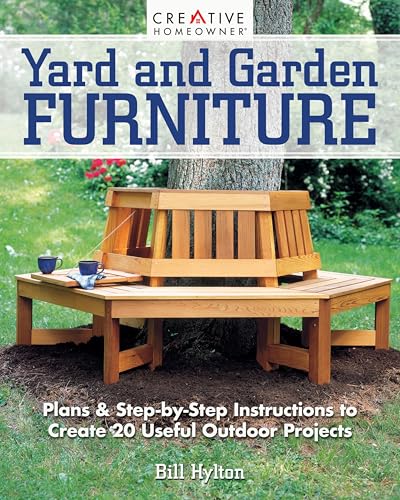
Yard and Garden Furniture, 2nd Edition: Plans & Step-by-Step Instructions to Create 20 Useful Outdoor Projects
Check price on Amazon
Outdoor Furniture: 30 Great Projects for the Deck, Lawn and Garden
Check price on Amazon
Dog Repellent for Yard, Dog Repellent Outdoor & Indoor, 10 Packs | Dog Deterrent for Yard, Lawn & Garden, Stops Dogs Digging & Peeing, Keeps Dogs Away from Your Plants & Furniture
Check price on Amazon
Better Homes and Gardens 150+ Quick & Easy Furniture Projects (Better Homes and Gardens Do It Yourself)
Check price on Amazon
Costzon Kids Table and Chairs, 3 PCS Plastic Toddler Table Set (Green) | Easy Clean Activity Desk Set for Reading, Drawing, Snack Time, Art Craft, Suitable for Preschool, Playroom, Indoor & Outdoor
Check price on Amazon
Garden Furniture and Outdoor Projects
Check price on Amazon
Yard & Garden Furniture for Beginners: Full Guide on Yard&Garden Furniture;What It Takes to Have It Done,Advantages of Having a Nice Furniture,New Directions ... in Garden Furnishings,Preserving Aims,Etc.
Check price on AmazonCommon Mistakes to Avoid When Zoning Your Garden
One of the most common mistakes is overcrowding. It's tempting to fill every available space with furniture, but this can make your garden feel cluttered and difficult to navigate. Our guide to outdoor furniture buying mistakes covers this and other pitfalls to avoid. Remember, negative space—the empty areas between zones—is just as important as the furniture itself. It provides room to move and allows each zone to breathe.
Another mistake is ignoring scale. A massive sectional sofa in a small garden will overwhelm the space, while tiny bistro chairs in a large garden will look lost. Use our outdoor furniture size chart to ensure your pieces are appropriately sized for your space. Also, be mindful of the specifications and dimensions before purchasing.
Finally, don't neglect the importance of a first outdoor furniture checklist. This resource helps you consider everything from material durability to cushion care before you buy. Planning your purchase timeline with our purchase timeline guide can also help you take advantage of seasonal sales and get the best value for your money.
Budgeting for Your Garden Zones
Creating a zoned garden doesn't have to break the bank. You can start with one or two zones and expand over time. Affordable outdoor furniture picks can help you furnish your first zone without overspending, while mid-range options offer a balance of quality and price. If you're looking for something truly special, luxury collections feature premium materials and craftsmanship.
For the budget-conscious, consider pre-owned furniture. With a little TLC, quality used pieces can be brought back to life—our guide to vintage patio furniture restoration shows you how. And when comparing materials, head-to-head guides like teak vs aluminum can help you make an informed decision based on your budget and climate.
Creating Your Perfect Zoned Garden
Garden furniture activity zones are the secret to an outdoor space that feels both organized and inviting. By thoughtfully dividing your garden into areas for dining, lounging, conversation, and cooking, you create a landscape that supports your lifestyle and enhances your enjoyment of the outdoors. Whether you're working with a sprawling backyard or a compact balcony, the principles of zoning apply.
Remember to consider flow, scale, and function as you plan each zone. Choose furniture that suits the purpose of the area and the materials that will stand up to your climate. Maintain your pieces regularly with our care and maintenance guides, and don't be afraid to start small and build over time. Your garden is a living space—it will evolve as your needs change.
With careful planning and the right furniture, your garden can become more than just a patch of grass—it can become a series of destinations, each offering its own unique experience. Explore our complete guide to furniture types to discover more ways to furnish your outdoor spaces, and browse our shopping and reviews hub for the best products on the market. Your perfect zoned garden awaits.