
Outdoor Furniture Leveling Guide: Stop the Wobble for Good
Master the art of stabilizing patio tables, chairs, and umbrellas on uneven decks, sloped lawns, and cracked concrete — with tools and techniques that actually work.
Explore Leveling MethodsA wobbly patio table isn't just annoying — it's a safety hazard. A glass of wine tips over, a hot plate slides, and suddenly your relaxing outdoor dinner becomes a cleanup job. Worse, uneven furniture puts stress on joints and frames, accelerating wear and tear on your investment. Whether you're dealing with a sloped deck, cracked concrete, or a soft lawn that shifts after rain, this outdoor furniture leveling guide will walk you through every practical solution available today.
Before you start, it helps to understand what kind of surface you're working with. If you're still in the planning phase and haven't committed to a layout yet, our patio space planning guide covers how to assess your outdoor area's topography before placing furniture. If you've already got furniture in place and are troubleshooting, keep reading — we'll cover diagnosis, tools, and fixes for every common scenario.
Why Leveling Matters More Than You Think
Many homeowners treat wobbling as a minor inconvenience, but the consequences compound over time. A table that rocks back and forth gradually loosens its fasteners, widens screw holes, and can even crack welds on metal frames. Chairs that sit unevenly distribute weight poorly across their legs, leading to premature failure. And umbrellas that lean put asymmetric stress on their bases and poles, making them prone to tipping in wind.
From a safety perspective, an unstable outdoor dining set is a genuine risk — especially if you have children, elderly guests, or anyone with mobility challenges. Spilled hot food and drinks are the most common injury associated with unstable patio furniture. Leveling isn't cosmetic; it's preventive maintenance.
Finally, level furniture simply looks better. A table that sits flat and true signals quality and care, while a leaning chaise lounge or tilted bistro set makes even expensive furniture look neglected. If you're investing in pieces like a patio bistro set or a bar set, protecting that investment with proper leveling is a no-brainer.
Diagnosing the Source of the Wobble
Leveling is only as good as your diagnosis. There are three common causes of unstable outdoor furniture, and each requires a different fix:
- Uneven ground surface: Concrete slabs shift, wood decking warps, and pavers settle over time. This is the most common cause and the easiest to fix with shims or leveling feet.
- Furniture frame defects: A bent leg, a missing glide, or a manufacturing tolerance issue. This requires frame repair rather than surface leveling.
- Worn or missing components: Plastic glides wear down, rubber feet crack, and adjustable feet seize up. Replacement is usually the answer here — our outdoor furniture glide guide covers this in detail.
To isolate the issue, try the "rock test." Push down gently on each corner of the furniture in sequence. Note which corner lifts or drops. If the same corner misbehaves on multiple surfaces, the furniture is the problem. If the misbehaving corner changes depending on where you place the piece, the surface is the issue.
Leveling Methods for Every Surface
The right leveling method depends entirely on your surface type. Here's a breakdown of the most effective approaches, ranked by durability and ease of installation.
1. Furniture Leveling Shims (Best for Hard Surfaces)
Shims are thin wedges — traditionally wood or plastic — that you slide under the short leg of a table or chair. They're inexpensive, widely available, and effective for minor unevenness up to about 1/2 inch. Composite shims (made from recycled plastic) resist moisture and rot far better than wood, making them the better choice for outdoor use.
To install: lift the short leg slightly, slide the shim in with the thick end facing the leg, and push until the furniture sits flat. Trim any protruding shim with a utility knife. For a more permanent solution, apply a small bead of silicone adhesive to the shim before sliding it in — this keeps it from shifting when furniture is moved.
2. Adjustable Leveling Feet (Best for Permanent Installations)
Many modern outdoor furniture pieces — especially metal and resin sets — come with threaded adjustable feet built into the legs. These are ideal because they allow fine-tuning without any additional hardware. Simply twist the foot clockwise to extend it or counterclockwise to retract it. If your furniture doesn't have them, aftermarket adjustable feet are available in threaded and bolt-on styles.
When choosing aftermarket leveling feet, look for stainless steel or hot-dipped galvanized hardware. Standard zinc-plated hardware will rust within a season in most climates. Our outdoor furniture fastener guide explains which materials survive outdoor exposure.
3. Furniture Pads and Glides (Best for Scratch Protection + Minor Leveling)
Felt or rubber pads under furniture legs serve double duty: they protect your deck or patio from scratches and they can compensate for very minor unevenness (typically under 1/8 inch). For larger gaps, stack pads or use thicker rubber variants. This is the gentlest option for wood decks and composite decking, which scratch easily.
If your furniture uses glides that have worn down, replacing them is often the simplest fix. Our outdoor furniture glide guide walks through the replacement process step by step.
4. Paver Base Leveling (Best for Sloped Lawns and Gravel)
If your furniture sits on grass, gravel, or dirt, shims won't help — the ground itself needs leveling. The solution is to create a stable base using concrete pavers or a compacted gravel pad. Excavate the area to about 4 inches deep, fill with crushed stone, compact it thoroughly, then set 12"x12" concrete pavers on top. This creates a flat, stable footprint for each leg of your furniture.
This method is more labor-intensive but delivers permanent results. It's particularly useful for heavy pieces like a garden bench or a hammock stand, which can sink into soft ground over time.
5. Deck Board Replacement (For Warped Wood Decks)
If your wood deck has warped or cupped boards causing furniture to rock, shimming is a band-aid. The real fix is replacing the offending boards. This is a bigger project, but it restores both safety and appearance. While you're at it, check for loose fasteners and re-secure any boards that have popped up. Our DIY repair basics guide covers deck board replacement fundamentals.
| Surface Type | Recommended Method | Max Gap Fixed | Durability |
|---|---|---|---|
| Concrete patio | Composite shims or adjustable feet | Up to 1/2 inch | High |
| Wood deck | Rubber pads + shims; board replacement for severe warping | Up to 1/4 inch (shims) | Medium to High |
| Stone pavers | Adjustable feet or sand-set shims | Up to 3/4 inch | High |
| Grass / dirt | Concrete paver base or gravel pad | Unlimited (full leveling) | Very High |
| Gravel | Compacted gravel pad + pavers | Unlimited (full leveling) | High |
Tools and Materials You'll Need
You don't need a workshop full of tools to level outdoor furniture, but having the right items on hand makes the job faster and more permanent. Here's a practical checklist:
- Spirit level (2-foot or 4-foot) — essential for verifying flatness
- Composite shims — moisture-resistant, available in packs of 50+
- Adjustable leveling feet — stainless steel or galvanized
- Rubber furniture pads — for scratch protection and minor leveling
- Utility knife — for trimming shims
- Silicone adhesive — to secure shims in place
- Rubber mallet — for tapping pavers into place
- Measuring tape — for checking leg heights and gaps
- Work gloves and safety glasses — always
For heavy furniture like a dining set or a daybed, consider having a helper available. Lifting one end of a heavy table while sliding a shim underneath is much easier — and safer — with two people.
Step-by-Step: Leveling a Wobbly Patio Table
Let's walk through the most common scenario: a wobbly outdoor dining table on a concrete patio. This process applies to most furniture types with minor adjustments.
- Clear the table. Remove dishes, centerpieces, and anything else that could fall during the process.
- Identify the short leg. Push down on each corner gently. The corner that lifts or allows movement indicates the short leg.
- Measure the gap. Slide a piece of paper or a feeler gauge under the short leg to estimate the gap size. This tells you how thick a shim you need.
- Insert the shim. Lift the short leg slightly and slide a composite shim in with the thick end under the leg. Push until the table sits flat — verify with your spirit level.
- Trim and secure. Trim any protruding shim with a utility knife. Apply a small bead of silicone adhesive to prevent shifting.
- Re-verify. Place the level on the tabletop in both directions (front-to-back and side-to-side). Adjust as needed.
If the gap is larger than 1/2 inch, shims alone won't be stable enough. In that case, use adjustable leveling feet instead, or consider whether the furniture itself has a bent leg that needs repair. Our wobbly furniture joint fix guide covers frame-level repairs.
Special Cases: Umbrellas, Chairs, and Heavy Pieces
Not all furniture levels the same way. Here's how to handle the trickier pieces:
Patio Umbrellas
An umbrella that leans puts dangerous stress on its base and pole. The fix depends on the base type. If you're using a freestanding base with weighted plates, ensure the base itself is level — shim under the base if needed. If the umbrella pole is bent, replace the pole. For in-table umbrellas, the table must be level first; the umbrella follows the table's orientation. Our patio umbrella buying guide covers base selection and stability in depth.
Chaise Lounges and Daybeds
These pieces often have adjustable backrests and multiple leg contact points. Level the main frame first, then check that the backrest mechanism operates smoothly. If the frame is level but the backrest sticks or wobbles, the issue is mechanical — likely a worn hinge or a bent adjustment bar. Our outdoor furniture hinge guide can help diagnose hinge issues.
Heavy Cast Aluminum and Wrought Iron
These pieces are heavy and often have adjustable feet built in. If not, shimming is still the answer, but use thicker, sturdier shims — standard composite shims may crush under the weight. Consider using metal shims or stacking multiple composite shims. For very heavy pieces, a concrete paver base on soft ground is the most reliable solution.
Wicker and Resin Furniture
These materials are lightweight and prone to shifting in wind. Leveling is important, but so is anchoring. Our patio furniture wind anchoring guide covers how to secure lightweight furniture in addition to leveling it. For wicker specifically, check that the woven legs haven't compressed unevenly — if they have, replacement glides are the fix.
Preventing Future Leveling Problems
Once your furniture is level, you want it to stay that way. Here are the habits that prevent re-leveling:
- Use furniture pads on all legs. They distribute weight evenly and protect surfaces. Our outdoor furniture glide guide covers pad and glide selection.
- Inspect after storms. Heavy rain and wind can shift furniture and settle ground. A quick check after each storm prevents small issues from becoming big ones.
- Re-level after seasonal changes. Freeze-thaw cycles move concrete and pavers. A spring re-leveling session is a good habit.
- Avoid dragging furniture. Always lift and place rather than drag. Dragging wears down glides and can bend legs.
- Keep up with weekly upkeep. A regular inspection routine catches leveling issues before they become safety hazards.
If you store furniture during winter, re-check levelness when you bring it back out. Our spring prep guide includes a leveling check as part of the seasonal wake-up routine.
When Leveling Isn't Enough: Repair vs. Replace
Sometimes leveling is a temporary fix for a deeper problem. Consider repair or replacement if:
- The furniture frame is cracked or bent beyond minor adjustment
- Legs are rusted through or severely corroded (see our rust removal guide for surface rust, but structural rust means replacement)
- The wobble persists even on a known-flat surface after leveling
- Joints are loose and cannot be tightened (our wobbly furniture joint fix guide covers repairable cases)
For valuable pieces — teak, wrought iron, high-end aluminum — repair is usually worth it. Our DIY repair basics guide can help you assess whether a fix is feasible. For budget furniture with structural damage, replacement is often more cost-effective.
Frequently Asked Questions
How do I level furniture on a sloped deck?
For gradual slopes, use taller shims on the low side or install adjustable leveling feet. For significant slopes (more than 2 inches across the furniture footprint), consider building a level platform or relocating the furniture to a flatter area. Never stack more than three shims under a single leg — it becomes unstable.
What's the best material for outdoor shims?
Composite (recycled plastic) shims are the best choice. They resist moisture, rot, and insects, and they won't compress under load like wood shims can. Cedar and redwood shims work in a pinch but degrade faster. Avoid pine or particle board entirely.
Can I use coins or folded cardboard as shims?
As a temporary fix, yes. As a permanent solution, no. Coins corrode and stain surfaces; cardboard absorbs moisture and disintegrates. Use them only long enough to get proper shims.
How do I keep shims from sliding out?
Apply a small bead of silicone adhesive to the shim before inserting it. This holds it in place while still allowing removal if needed. Avoid construction adhesive — it's too permanent for a leveling shim.
Do I need to level furniture on a perfectly flat concrete patio?
Yes, but the adjustments will be minor. Even "flat" concrete has slight variations, and furniture legs aren't always perfectly matched. A quick check with a spirit level and a thin shim or pad is usually all that's needed.
Final Thoughts
Leveling outdoor furniture is one of those small maintenance tasks that delivers outsized returns. It protects your investment, prevents injuries, and makes your outdoor space look intentional and cared-for. Whether you're dealing with a wobbly bistro table on a balcony or a full dining set on a sloped lawn, there's a leveling solution that fits your surface, budget, and skill level.
Start with the simplest fix — shims or pads — and escalate to adjustable feet or paver bases only if needed. And remember: leveling is part of a broader maintenance routine. Pair it with regular cleaning and seasonal care, and your outdoor furniture will serve you well for years. For a complete maintenance framework, explore our care and maintenance hub.
Recommended Tools & Furniture for Leveling Stability
⚠️ AFFILIATE DISCLOSURE: This website contains affiliate links. As an affiliate Associate, we earn from qualifying purchases. If you make a purchase through these links, we may receive a small commission at no additional cost to you. Read our full affiliate policy.

Anwenk Stainless Steel Patio Furniture Leveling Feet 1/4-20 Screw in Threaded Outdoor Furniture Levelers Adjustable Table Chair Levelers Feet Glides for Chairs Tables Cabinet Patio Furniture- 8 Pack
Check price on Amazon
Heavy Duty Leveling Feet, 4 Pack Adjustable Furniture Levelers with 1320LB Capacity, 2" Height Adjustment, No-Flip Furniture Installation – Hex Nut Design for Flawless Leveling
Check price on Amazon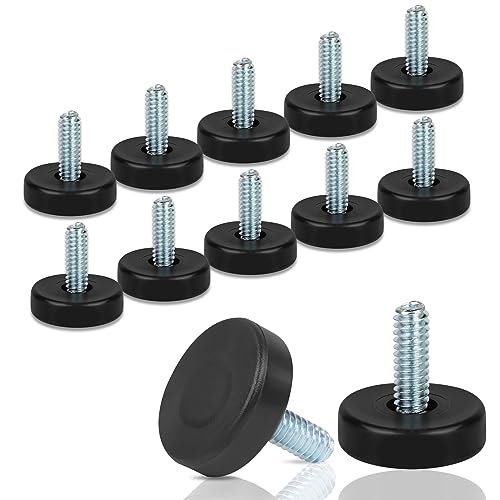
1/4" Thread Furniture Feet Levelers, 12 PCS Adjustable Furniture Feet | Threaded Screw in, Leveling Feet Screw On Furniture Glide Leveling for Table, Cabinets, Chairs, Stool Legs
Check price on Amazon
NEWBYTEK 1/4"-20 Furniture Leveling Feet (1" Base) - PTFE Teflon Bottom Adjustable Levelers for Chairs, Tables, Screw-in Leg Glides (8 Pack)
Check price on Amazon
NEWBYTEK 3/8-16 Heavy Duty Leveling Feet, 1600LB Furniture Levelers (4PK) | Ideal for sloped workbenches or sofa replacement feet, 2" nylon base with felt pads glide scratch-free on hard floors
Check price on Amazon
WAFJAMF 24 Pcs M6 Thread Adjustable Furniture Levelers, Screw On Feet Glide | Leveling Screw, Table Leg Adjustment, Patio Chair Feet Balancer, Threaded Gliders, Easy Screw In Insert
Check price on Amazon