
Outdoor Furniture Scratch Touch Up: Complete Repair Guide
Restore your patio furniture to its former glory. Learn professional techniques for repairing scratches on wood, metal, wicker, and resin outdoor furniture.
Why Scratch Repair Matters: Outdoor furniture endures constant exposure to the elements, making scratches and scuffs inevitable. Beyond aesthetics, untreated scratches can compromise protective finishes, leading to moisture damage, rust, and accelerated deterioration. This comprehensive guide walks you through proven touch-up methods for every common outdoor furniture material, helping you extend the life of your investment and maintain a beautiful outdoor space.
Understanding Scratch Damage on Outdoor Furniture
Before attempting any repair, it's essential to assess the depth and type of damage. Surface scratches only affect the top layer of finish and are the easiest to repair. Deep scratches penetrate into the material itself, potentially requiring filler or more extensive restoration. Knowing your furniture's material is the first step—our outdoor furniture materials hub provides comprehensive information on identifying and understanding different material types.
Environmental factors play a significant role in how scratches develop and heal. UV exposure can fade touch-up paints and stains, so choosing UV-resistant products is crucial. Similarly, moisture can cause wood scratches to swell and metal scratches to rust if not properly sealed. Understanding these dynamics helps you select the right repair approach for your specific situation.
Wood Furniture Scratch Touch Up
Teak, Acacia, Eucalyptus, and Cedar
Wood furniture, particularly varieties like teak, acacia, eucalyptus, and cedar, develops a natural patina over time. Light scratches can often be buffed out, while deeper gouges require filling and refinishing.
Step-by-Step Wood Scratch Repair
- Clean the area thoroughly: Remove dirt and debris with a soft cloth and mild soap solution. Allow the wood to dry completely before proceeding.
- Assess scratch depth: Run your fingernail across the scratch. If it catches, you have a deep scratch requiring filler. If not, it's a surface scratch that can be sanded.
- For surface scratches: Lightly sand along the grain with 220-grit sandpaper, then progress to 320-grit. Wipe away dust with a tack cloth.
- For deep scratches: Apply wood filler that matches your furniture's color. Overfill slightly, then sand flush once dry.
- Apply matching stain: Use a wood stain pen or gel stain that matches your furniture. Test on a hidden area first.
- Seal the repair: Apply a protective topcoat such as marine-grade varnish or moisture sealing treatment to protect against future damage.
Metal Furniture Scratch Touch Up
Aluminum, Wrought Iron, and Stainless Steel
Metal furniture—including aluminum, wrought iron, and stainless steel—requires different treatment. The primary concern with metal scratches is rust prevention, especially for iron and steel. Our rust-proof furniture guide offers additional prevention strategies.
Step-by-Step Metal Scratch Repair
- Remove rust first: If the scratch has begun to rust, treat it with a rust remover or sand it down to bare metal. Our rust removal guide provides detailed instructions.
- Clean and degrease: Wipe the area with a degreaser to ensure paint adhesion.
- Apply rust-inhibiting primer: Use a spray primer designed for metal. This is critical for preventing future rust.
- Apply matching paint: Use touch-up paint or spray paint formulated for outdoor metal furniture. Apply thin, even coats.
- Allow proper curing: Follow the manufacturer's recommended curing time before exposing to moisture.
- Apply clear coat: A clear protective topcoat adds durability and UV protection.
DIY Cost Estimate:
$15–$40
For primer, paint, and clear coat
Wicker and Resin Furniture Scratch Touch Up
Resin wicker and natural wicker furniture present unique challenges. Scratches on resin wicker can often be hidden with matching paint, while natural wicker may require strand replacement if the damage is severe. For minor scratches, our wicker cleaning guide provides foundational care information that complements repair efforts.
Repairing Resin Wicker Scratches
- Clean the affected area: Use a soft brush and mild soap to remove dirt from the scratch.
- Lightly sand: Use fine-grit sandpaper (400-grit) to smooth any rough edges.
- Apply matching paint: Use acrylic craft paint or specialized wicker touch-up paint. A small artist's brush works best for precision.
- Blend the repair: Feather the edges of the paint to blend with the surrounding wicker.
- Seal with clear coat: Apply a matte or satin clear coat to protect the repair.
For significant damage where strands are broken or missing, our guide on broken wicker strand repair provides step-by-step restoration techniques.
Plastic Outdoor Furniture Scratch Touch Up
Plastic furniture is generally the easiest to repair. Light scratches can sometimes be buffed out with a heat gun (carefully!), while deeper scratches can be filled with color-matched epoxy or plastic repair compound.
Quick Plastic Repair Method
- Clean the surface: Remove all dirt and oils with isopropyl alcohol.
- Lightly sand: Use 400-grit sandpaper to rough up the scratch area for better adhesion.
- Apply plastic filler: Use a color-matched plastic repair epoxy. Overfill slightly.
- Sand smooth: Once cured, sand flush with 600-grit, then 1000-grit for a smooth finish.
- Polish: Use a plastic polish to restore shine and blend the repair.
Preventing Future Scratches on Outdoor Furniture
Prevention is always better than cure. Regular maintenance, including weekly upkeep routines, can significantly reduce the risk of scratches. Here are key prevention strategies:
- Use furniture covers: High-quality covers protect against debris, pets, and weather-related damage. Our furniture cover selection guide helps you choose the right covers.
- Apply protective pads: Furniture glides prevent scratches when moving furniture across decks and patios.
- Maintain protective finishes: Regularly reapply sealants, paints, and stains to maintain the protective barrier.
- Strategic placement: Position furniture away from high-traffic areas and potential scratch sources like tree branches.
- Proper storage: During off-season, store furniture properly using our garage storage guide.
When to Seek Professional Help
While most scratches can be repaired with DIY methods, some situations warrant professional attention. If your furniture has structural damage, extensive cracking, or if the scratch repair is part of a larger restoration project, consider consulting a professional. Our guides on wood furniture full restoration and furniture refinishing can help you determine whether a project is within your skill set.
For those who prefer to build their repair skills, our DIY repair skill basics guide is an excellent starting point. Additionally, understanding how to fix wobbly joints and replacing webbing straps can complement your scratch repair knowledge for comprehensive furniture care.
Choosing the Right Touch-Up Products
Product selection significantly impacts repair quality and longevity. Here's what to look for:
| Material | Recommended Product | Estimated Cost |
|---|---|---|
| Wood (Teak, Acacia, etc.) | Wood filler, matching stain, marine varnish | $20–$50 |
| Metal (Aluminum, Iron, Steel) | Rust-inhibiting primer, outdoor metal paint, clear coat | $15–$40 |
| Resin Wicker | Acrylic craft paint, clear matte sealer | $10–$25 |
| Plastic | Plastic repair epoxy, plastic polish | $10–$30 |
Recommended Scratch Repair Products for Outdoor Furniture
⚠️ AFFILIATE DISCLOSURE: This website contains affiliate links. As an affiliate Associate, we earn from qualifying purchases. If you make a purchase through these links, we may receive a small commission at no additional cost to you. Read our full affiliate policy.

DAIXISM Furniture Markers Touch Up,Wood Filler Floor Scratch Repair Kits,Set of 21-Markers and Wax Sticks with Sharpener Kit for Funiture Repair,Floor Scratch.
Check price on Amazon
Old English Scratch Cover Dark Wood Furniture Polish, 8oz Bottle | Old English 8oz liquid scratch cover for dark wood furniture touch-ups.
Check price on Amazon
Rejuvenate Exact Match Wood Furniture & Floor Repair Markers 6 Ct, Brown | Covers Scratches & Scuffs on Furniture & Flooring, Colors: Maple, Oak, Cherry, Walnut, Mahogany, & Expresso
Check price on Amazon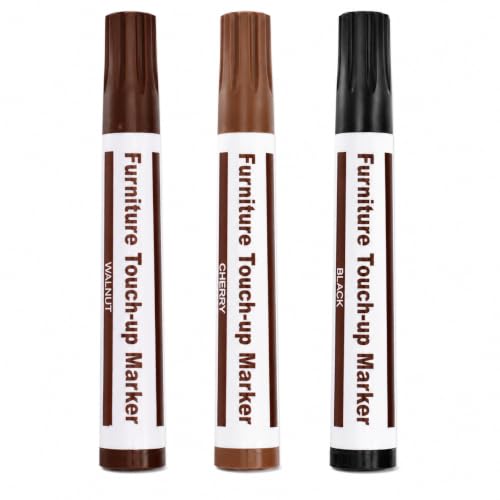
BUDOCI Wood markers furniture repair, 3‑Pack Touch‑Up Markers for Floors | Furniture touch up markers cover scratches. Black, Walnut, Cherry for floors, tables, cabinets & wood‑furniture restoration
Check price on Amazon
White Touch Up Paint Pen, White Paint for Wall, Door, Cabinets, Furniture, Enamel (Semi-Gloss, 30ML)
Check price on Amazon
Black Touch Up Paint High-Gloss Black Multi Surface Acrylic Touch Up Paint Pen Scratch Repair for Metal,Wall,Cabinets,Appliances,Wood,Door,Furniture,Enamel 1.5 Fl Oz
Check price on Amazon
Wooden Furniture Floor Scratch Repair Markers and Wax Sticks for Stains, Scratches, Wood Floors, Tables, Desks, Carpenters, Bedposts, Touch Ups, and Cover Ups (Set of 13)
Check price on Amazon
DWIL Wood Paint Touch Up Paint - 1.5 Oz Touch Up Paint Pen, Quick-Dry Black Paint for Wood Scratches,Chips and Spots on Furniture, Cabinets, Doors, Tables, Dressers (Black)
Check price on AmazonRestore Your Outdoor Furniture with Confidence
Scratch touch-up is a valuable skill that every outdoor furniture owner should master. With the right products, techniques, and a bit of patience, you can keep your furniture looking beautiful for years to come. Whether you're dealing with minor surface scuffs or deeper gouges, the methods outlined in this guide provide a solid foundation for successful repairs.
Remember that regular maintenance and prevention are key to minimizing future damage. Explore our care and maintenance hub for more comprehensive strategies to protect your outdoor investment. Before making any new furniture purchases, our first outdoor furniture checklist helps ensure you choose pieces that will stand the test of time.