
Outdoor Fire Pit Buying Guide: Choose the Perfect Patio Heating Solution
Compare wood-burning, gas, and propane fire pits. Learn about sizing, materials, safety clearances, and placement to transform your outdoor space into a year-round gathering destination.
Why an Outdoor Fire Pit? A fire pit extends your patio season well into cooler months, creates a natural gathering focal point, and adds warmth and ambiance that no other outdoor feature can match. Whether you prefer the crackle of a traditional wood fire or the convenience of a gas flame, choosing the right fire pit requires understanding fuel types, heat output, material durability, local regulations, and safety clearances. This guide walks you through every decision point so you can buy with confidence.
What You'll Learn
Fuel Types: Wood, Gas & Propane Compared
The fuel type is the single most important decision when buying a fire pit. It affects everything from installation requirements and ongoing costs to heat output, ambiance, and how much maintenance you'll need to do. Before choosing, check your local regulations—many urban areas restrict wood-burning due to air quality ordinances, while some HOAs prohibit open flames entirely.
Wood-burning fire pits deliver the classic crackling fire experience with the highest heat output and the lowest fuel cost if you have access to seasoned firewood. However, they require ash cleanup, produce smoke, and need a safe disposal method for embers. Gas and propane models offer instant ignition, precise flame control, and no smoke or ash, but they cost more upfront and require fuel storage or a gas line connection. If you're outfitting a complete outdoor living space, consider how your fire pit will pair with other elements like a patio heater for supplemental warmth or outdoor string lights for evening ambiance.
| Feature | Wood-Burning | Natural Gas | Propane |
|---|---|---|---|
| Heat Output | Highest (30,000–100,000 BTU) | Moderate (40,000–90,000 BTU) | Moderate (30,000–60,000 BTU) |
| Installation | None required | Professional gas line needed | None; tank connection |
| Ongoing Cost | Low (firewood) | Moderate (utility bill) | Moderate–High (tank refills) |
| Maintenance | High (ash, cleaning) | Low | Low |
| Smoke | Yes | None | None |
| Portability | Limited | Fixed | Good |
| Best For | Rural & spacious yards | Permanent patio setups | Flexible & urban spaces |
✓ Wood-Burning Pros
- Highest heat output and authentic ambiance
- Lowest fuel cost per use
- No installation or gas line required
- Can burn on decks with proper heat shields
✗ Wood-Burning Cons
- Smoke may bother neighbors or asthma sufferers
- Ash cleanup after every use
- Restricted in many urban areas
- Spark risk requires careful placement
For a seamless outdoor entertaining area, a gas fire pit integrates beautifully with outdoor dining sets and patio sofas, providing warmth without smoke that could affect food and guests. If you're considering a wood-burning model, review our furniture cover selection guide to protect nearby seating from ash and weather exposure.
Sizing & Heat Output: Matching Your Space
Fire pit size should be proportional to your patio or backyard and the number of people you typically host. An undersized fire pit won't warm your guests, while an oversized one can overwhelm a small space, consume too much fuel, and create safety concerns. As a general rule, allow at least 3 feet of clearance between the fire pit edge and any seating, and 10 feet from structures, low-hanging branches, and combustible materials.
Heat output is measured in BTUs (British Thermal Units). For reference, a 30,000 BTU fire pit can warm a 10-foot radius in mild conditions, while a 60,000 BTU unit extends comfortable warmth to roughly 15 feet. Wood-burning fire pits naturally produce more radiant heat, so a smaller wood pit can match the comfort zone of a larger gas model. If your patio layout is tight, review our small balcony furniture guide for space-saving strategies that work with compact fire features.
Compact
20–30 inch diameter. Ideal for 2–4 people on small patios or balconies. Often portable tabletop or low-profile bowl styles.
Standard
30–40 inch diameter. Best for 4–6 people. The most popular size for typical backyard patios and decks.
Large / Community
40–60+ inch diameter. Suits 6–10+ people. Often built-in or masonry styles for permanent outdoor rooms.
Pro Tip: Measure your seating arrangement first. A fire pit should sit at least 3 feet from the nearest chair or sofa edge, and the total conversation circle (fire pit + clearance + seating) should feel balanced. For dining areas, position the fire pit at least 5 feet from the table to avoid heat interfering with meals.
When planning your layout, our patio space planning guide and deck furniture clearance rules provide detailed measurements for arranging fire pits alongside outdoor armchairs, ottomans, and side tables for a cohesive gathering zone.
Materials & Durability: What Lasts Outdoors
Fire pit materials must withstand high heat, weather exposure, and repeated use. The most durable options include cast iron, stainless steel, powder-coated steel, and natural stone or concrete. Each material has distinct advantages in terms of heat retention, rust resistance, weight, and aesthetic appeal.
Cast iron offers excellent heat retention and a classic look, but it's heavy and requires regular seasoning to prevent rust. Stainless steel resists rust and corrosion exceptionally well, making it ideal for humid or coastal climates—pair it with stainless steel outdoor furniture for a unified look. Powder-coated steel provides a colorful, rust-resistant finish at a lower cost, though chips can expose bare metal over time. Natural stone and concrete fire pits are extremely durable and heat-resistant, but they're heavy and typically permanent installations.
For wood-burning models, the fire bowl or pit liner should be made from heavy-gauge steel or cast iron to handle direct flame contact. Gas fire pits often use stainless steel burners and lava rock or fire glass media. If you're concerned about rust in your climate, review our rust-proof furniture guide and rust removal techniques for maintenance tips. Choosing materials that complement your existing outdoor furniture materials ensures visual harmony across your patio.
Weatherproofing Note: Even the most durable fire pit benefits from a protective cover when not in use. A fitted cover prevents water pooling, debris accumulation, and UV fading. See our furniture cover selection guide for sizing and material recommendations.
Safety Clearances & Placement Rules
Fire pit safety is non-negotiable. According to the NFPA, fire pits should be located at least 10 feet away from structures, 10 feet from combustible materials, and never under low-hanging branches or covered porches. Always check local fire codes and HOA rules before purchasing—some areas require permits or prohibit certain fuel types entirely.
- Maintain a minimum 10-foot clearance from your home, garage, shed, and any combustible structure.
- Keep fire pits at least 10 feet from low-hanging tree branches and 3 feet from any seating.
- Never use a fire pit on a wooden deck unless it has a heat shield and the manufacturer approves deck use.
- Place fire pits on a level, non-combustible surface such as concrete, stone, or brick.
- Keep a fire extinguisher, bucket of sand, or garden hose within easy reach.
- Never leave a fire unattended, and fully extinguish embers before leaving.
- Check for burn bans and red flag warnings before lighting any fire.
- Store propane tanks upright and outdoors, never in enclosed spaces.
If you're anchoring your fire pit in a windy area, our patio furniture wind anchoring guide and outdoor furniture leveling guide provide techniques to keep your setup stable. For comprehensive seasonal protection, see our winterizing guide and mold prevention tips.
Important: Gas and propane fire pits must be leak-tested before first use and inspected annually. If you smell gas, turn off the supply immediately and do not attempt to light the unit. Consult a licensed technician for any gas line work.
Design Styles & Features to Consider
Fire pits come in a wide range of styles to match your outdoor aesthetic. Bowl-style fire pits are the most common and versatile, available in metal, concrete, and ceramic finishes. Chiminea-style fire pits offer a tall, chimney-like design that directs smoke upward—ideal for small patios where smoke management is important. Tabletop fire pits are compact, portable, and perfect for balconies or as a centerpiece on a patio coffee table. Built-in or masonry fire pits create a permanent focal point for luxury outdoor rooms.
Additional features worth considering include adjustable flame height (gas models), spark screens, cooking grates or swing-away grill arms for outdoor cooking, and built-in storage for firewood or propane tanks. Some models include a removable ash pan for easier cleanup. If you're styling your fire pit area, our outdoor furniture vignette ideas and outdoor pillow styling guide can help you create a cohesive, inviting space.
For ambiance, pair your fire pit with outdoor lanterns, solar pathway lights, or a canopy for shade during daytime gatherings. A well-placed outdoor rug can define the fire pit zone and add warmth underfoot.
Budget & Price Ranges: What to Expect
Fire pit prices vary widely based on fuel type, size, material, and brand. Here's a realistic breakdown of what you can expect to pay in today's market:
| Category | Price Range | What You Get |
|---|---|---|
| Budget / Portable | $80–$250 | Small wood-burning or tabletop propane models; lightweight steel; basic features |
| Mid-Range | $250–$800 | Larger wood-burning or mid-size gas/propane; stainless steel or powder-coated; spark screens, cooking grates |
| Premium | $800–$2,500 | High-output gas/propane; cast iron or heavy-gauge stainless; adjustable flame, built-in ignition, premium finishes |
| Luxury / Built-In | $2,500–$8,000+ | Masonry or custom stone; permanent installation; high BTU; integrated seating and lighting |
Remember to factor in ongoing costs: propane tank refills ($20–$60 each, depending on size), natural gas line installation ($200–$1,000+), firewood ($150–$400 per cord), and accessories like covers, fire glass, or cooking grates. For budget-conscious shoppers, our affordable outdoor furniture picks and mid-range outdoor furniture picks offer smart value recommendations. If you're comparing materials, teak vs aluminum is a helpful parallel for durability trade-offs in outdoor products.
Ready to find the perfect fire pit for your patio? Browse our curated selection of top-rated outdoor fire pits and accessories below.
View Recommended Fire Pits ↓Frequently Asked Questions
What size fire pit do I need for my patio?
For a typical 10x10 foot patio seating area, a 30–36 inch fire pit works well for 4–6 people. Allow at least 3 feet of clearance from seating edges and 10 feet from any structure. If your patio is smaller, consider a compact 20–30 inch model or a tabletop fire pit.
Is a gas or wood-burning fire pit better?
Gas fire pits offer convenience, instant ignition, and no smoke or ash—ideal for urban areas and easy entertaining. Wood-burning fire pits provide higher heat output, authentic ambiance, and lower fuel costs—best for rural or spacious yards where smoke isn't a concern. Check local regulations before deciding.
Can I put a fire pit on a wooden deck?
Only if the fire pit is specifically rated for deck use and you place it on a non-combustible heat shield or pad. Many manufacturers prohibit deck use without a heat shield. Always maintain at least 10 feet of clearance from the deck surface if using a wood-burning model, and check your local fire code.
How much clearance do I need around a fire pit?
The NFPA recommends a minimum 10-foot clearance from structures, combustible materials, and low-hanging branches. For seating, allow at least 3 feet from the fire pit edge. Gas and propane fire pits may have slightly reduced clearance requirements, but always follow the manufacturer's guidelines.
Do I need a professional to install a gas fire pit?
Natural gas fire pits require a licensed plumber or gas technician to run the gas line and connect the unit safely. Propane fire pits typically connect to a standard tank and can be set up by the homeowner, but always leak-test connections before first use. Never attempt gas line work yourself.
How do I maintain my fire pit?
For wood-burning pits, remove ash after each use and clean the bowl periodically. For gas pits, inspect burners for clogs, check hoses for cracks, and clean lava rock or fire glass annually. Cover your fire pit when not in use to protect it from rain, snow, and UV damage. See our weekly upkeep guide for a maintenance schedule.
Final Buying Checklist
Before you purchase, run through this checklist to ensure you've covered every critical decision:
- ✔ Checked local fire codes, HOA rules, and burn restrictions.
- ✔ Decided on fuel type (wood, natural gas, or propane).
- ✔ Measured patio space and confirmed adequate clearances.
- ✔ Selected a size appropriate for your guest count and seating layout.
- ✔ Chosen a material that suits your climate and maintenance willingness.
- ✔ Confirmed the fire pit is rated for your surface (deck, concrete, stone).
- ✔ Budgeted for installation (if gas), fuel, and accessories.
- ✔ Planned for a cover and safe storage of fuel or tanks.
- ✔ Considered matching accessories like lanterns, rugs, and cushions.
With these steps complete, you're ready to choose a fire pit that will serve as the heart of your outdoor living space for years to come. For more outdoor heating and ambiance ideas, explore our setup & accessories hub and shopping & reviews hub.
Recommended Outdoor Fire Pits
⚠️ AFFILIATE DISCLOSURE: This website contains affiliate links. As an affiliate Associate, we earn from qualifying purchases. If you make a purchase through these links, we may receive a small commission at no additional cost to you. Read our full affiliate policy.

Ninja Fireside360 Fire Pit & Heater, 80,000 BTU, 3 Modes, Push Start, Black | Ninja Fireside360 offers flame, heat, or both with up to 80,000 BTUs, hassle-free dial control, and smokeless design
Check price on Amazon
HZ-MONSTAR Low Pressure LPG Propane Gas Fireplace Fire Pit Flame Failure Safety Control Valve Kit with Igniter Assembly Fire Pit Igniter, Push Button Ignition Kit for Gas Grill, Heater, Fire Pit
Check price on Amazon
Fire Pit Spark Screen, Fire Pit Screen 36 Inch Round with Handle & Poker | Stainless steel, Prevents Sparks, High Temperature Resistant, Fire Pit Cover Lid for Outdoor/Patio/Backyard/RV Camping/Beach
Check price on Amazon
GRISUN Upgraded 36 x 12 Inch Rectangular Drop-in Fire Pit Burner Kit | Stainless Steel Gas Fire Pit Kit with Glass Wind Guard & Lid, Linear Fire Pit Pan Insert with Spark Ignition for Fire Tables
Check price on Amazon
SoulMate Outdoor 40-Inch Outer/36-Inch Inner Fire Pit Ring Smokeless,Duty Solid Metal Steel Round Firepit Rim Insert for DIY Fire Pits, Outdoor Above or In-Ground, Camping Garden Patio Backyard.
Check price on Amazon
36" Fire Pit Ring Insert, Smokeless Heavy Duty Steel Fire Pit for Outdoor | 36"/39" In-Ground Campfire Ring - Portable DIY Frame, Rust-Resistant Backyard Bonfire, Camping & BBQ Essentials
Check price on Amazon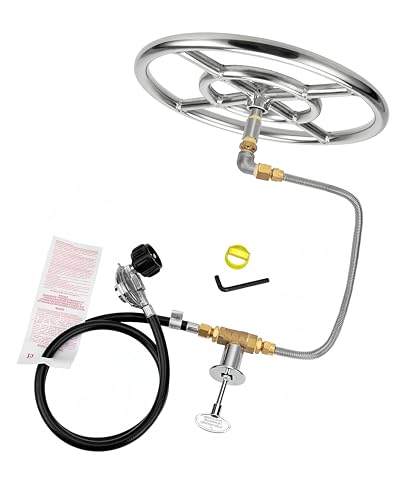
Viefow 12" DIY Propane Fire Pit Valve Pilot Kit for Outdoor Fireplaces | stainless steel fire pit kit|Includes burner ring, valve & pilot assembly|fits propane outdoor fireplaces & DIY projects
Check price on Amazon