
Cushion Fabric Stain Removal: Complete Guide to Cleaning Outdoor Cushions
Discover proven methods to remove mold, mildew, wine, grease, and everyday stains from outdoor cushion fabric. Restore your patio cushions to like-new condition with our expert stain removal techniques.
Why Cushion Fabric Stain Removal Matters: Outdoor cushions are constantly exposed to the elements, making them vulnerable to stains from rain, dirt, food, and organic growth. Knowing how to properly remove stains from your cushion fabric not only keeps your outdoor space looking beautiful but also extends the life of your investment. Whether you're dealing with stubborn mildew or a fresh spill, the right approach makes all the difference.
Understanding Your Outdoor Cushion Fabric Before Treatment
Before attempting any stain removal, you must identify your cushion fabric type. Different materials require different cleaning approaches, and using the wrong method can set stains permanently or damage the fabric fibers. The most common outdoor cushion fabrics include solution-dyed acrylic, polyester, olefin, and canvas. Each has unique properties that affect how stains should be treated.
Solution-dyed acrylic, found in brands like Sunbrella, is among the most stain-resistant outdoor fabrics because the color is added to the fibers before they're woven. This means stains sit on the surface rather than penetrating deep into the material. For these fabrics, most stains can be removed with mild soap and water. Polyester and olefin cushions are also quite durable but may require more targeted stain removal methods for oil-based stains.
Understanding your fabric's characteristics connects directly to proper outdoor fabric selection. If you're still in the market for cushions, choosing a stain-resistant fabric from the start can save you considerable cleaning effort. Additionally, investing in waterproof cushion selection can significantly reduce how deeply stains penetrate the fabric, making cleanup much easier.
Always check the manufacturer's care tag before applying any cleaning solution. Some fabrics have specific warranty requirements, and using improper cleaning agents can void your coverage. When in doubt, test any cleaning solution on a hidden area of the cushion first.
Common Types of Cushion Fabric Stains and Their Causes
Outdoor cushions face a unique set of staining challenges compared to indoor upholstery. Understanding what causes different stains helps you choose the most effective removal method and prevents future staining.
Organic Stains: Mold, Mildew, and Algae
Mold and mildew are the most common and problematic stains on outdoor cushions. These organisms thrive in damp, humid conditions and can develop within 24-48 hours of exposure to moisture. They appear as black, green, or gray spots and can cause musty odors. Preventing these stains starts with proper outdoor furniture mold prevention practices, including ensuring cushions dry completely after rain and storing them properly during wet seasons.
Algae stains typically appear as green or brownish discoloration and are common in humid climates. Unlike mold, algae requires sunlight to grow, so it's often found on cushion surfaces exposed to direct sun.
Food and Beverage Stains
Outdoor entertaining inevitably leads to spills. Wine, coffee, soda, and greasy foods are the most common culprits. Wine stains contain tannins that can set quickly, while grease stains require degreasing agents rather than simple soap. These stains are best treated immediately, but even dried stains can often be removed with the right technique.
Environmental Stains
Tree sap, bird droppings, pollen, and pollution can all leave marks on your cushions. Tree sap is particularly challenging because it's sticky and can spread if not removed properly. Bird droppings are not only unsightly but can carry bacteria, requiring disinfecting as part of the stain removal process.
Rust and Mineral Stains
If your outdoor furniture has metal components, rust stains can transfer to cushions. Hard water can also leave mineral deposits that appear as brownish or whitish stains. These stains require specific treatments different from organic stain removal.
Recommended Cushion Fabric Stain Removal Products
⚠️ AFFILIATE DISCLOSURE: This website contains affiliate links. As an affiliate Associate, we earn from qualifying purchases. If you make a purchase through these links, we may receive a small commission at no additional cost to you. Read our full affiliate policy.

ForceField® Fabric Cleaner Professional Strength, Deeply Penetrates Water Safe Fabric & Fibers of Upholstery, Clothing, Rugs & Carpeting - 22oz
Check price on Amazon
POFL Outdoor Fabric & Furniture Cleaner – Mold & Mildew Stain Remover for Patio Cushions, Sling Seating, Mesh, Canvas Awnings, Vinyl Fencing & Outdoor Surfaces – 25.36 fl oz
Check price on Amazon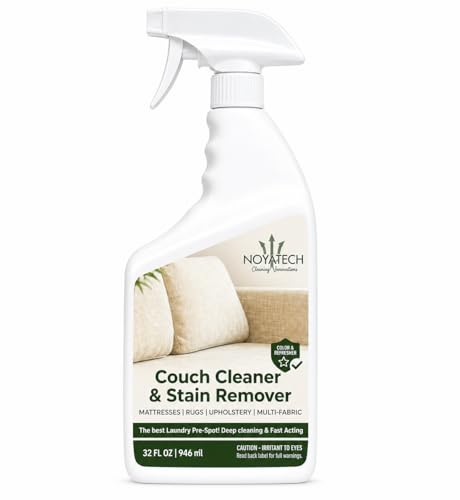
NOYATECH Couch Cleaner and Stain Remover Spray, Pet Safe Upholstery, 32 oz | Pet and Kid Safe -- Non Toxic, USDA BioPreferred - microfiber, sofas, mattresses, car seats - No Bleach or Phosphates
Check price on Amazon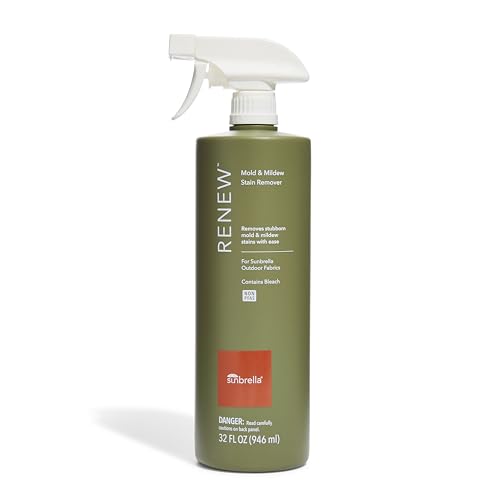
Sunbrella Renew Mold & Mildew Stain Remover | Outdoor Fabric | 32 Fl Oz | Easy-to-Use Cleaner for Upholstery, Patio Cushions, Umbrellas and Awnings; Removes Mold and Mildew Stains; Non-PFAS
Check price on Amazon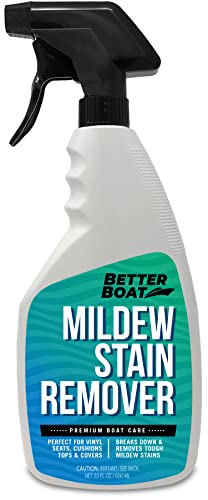
Mold and Mildew Stain Remover 22oz Spray for Fabric Vinyl Tile Grout | Removes Mold Stains on Boat Seats Bathroom Shower Patio Furniture Carpet Canvas, Better Boat
Check price on Amazon
Dr. Beckmann Upholstery Stain Remover | Removes Even Stubborn Stains and odours from Sofas, car Seats etc. | Incl. applicator Brush | 400 ml
Check price on Amazon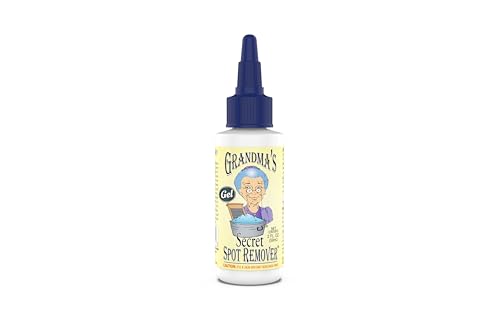
Grandma's Secret Spot Remover Gel - On-the-Go Travel Size Fabric Stain Remover for Clothes - Chlorine, Bleach and Toxin-Free - Removes Oil, Paint, Blood and Pet Stains - 2 Ounce
Check price on Amazon
Grandma's Secret Spot Remover Laundry Spray - Chlorine, Bleach and Toxin-Free for Clothes - Fabric Stain Remover Removes Oil, Paint, Blood and Pet Stains - 16 oz & 2 oz Combo, DuoPack
Check price on AmazonStep-by-Step Guide to Removing Stains from Cushion Fabric
Follow this systematic approach for the best results when treating any stain on your outdoor cushions.
Step 1: Identify the Stain Type
Before applying any treatment, determine what caused the stain. Organic stains (mold, mildew, food) respond to different treatments than oil-based or mineral stains. If you're unsure, start with the gentlest method and progress to stronger solutions.
Step 2: Remove Excess Material
For solid or semi-solid stains, gently scrape away as much material as possible using a dull knife or spoon. For liquid spills, blot with a clean white cloth or paper towel, working from the outside of the stain toward the center to prevent spreading. Never rub, as this pushes the stain deeper into the fabric fibers.
Step 3: Pre-Treat the Stain
Apply a small amount of your chosen cleaning solution to the stain. For most outdoor cushion fabrics, a mixture of mild dish soap and warm water works well as a starting point. For tougher stains, you may need a specialized cleaner or a DIY solution like a vinegar-water mixture.
Allow the solution to sit for 5-15 minutes, depending on the stain severity. This dwell time allows the cleaning agents to break down the stain particles before you begin agitation.
Step 4: Agitate Gently
Using a soft-bristled brush or sponge, gently work the cleaning solution into the stain using circular motions. Be careful not to scrub too aggressively, especially on solution-dyed acrylic fabrics, as this can damage the fibers and cause pilling. For delicate fabrics, use a microfiber cloth instead of a brush.
Step 5: Rinse Thoroughly
Remove all cleaning solution residue by rinsing with clean water. You can use a garden hose on low pressure, a spray bottle, or a damp cloth. Residual soap can attract dirt and cause new stains, so thorough rinsing is essential. For cushions with removable covers, you can rinse them in a sink or washing machine if the care instructions permit.
Step 6: Air Dry Completely
Allow cushions to air dry in a well-ventilated area, preferably in indirect sunlight. Direct sunlight can fade colors and weaken fabric over time. Make sure cushions are completely dry before placing them back on furniture or storing them. Any remaining moisture can lead to mold growth within days.
Proper drying is a key part of outdoor furniture weekly upkeep and prevents many common cushion problems. If you live in a humid climate, consider using a fan to speed up drying or bringing cushions indoors during extended wet periods.
Stain-Specific Removal Methods for Cushion Fabric
Different stains require different approaches. Here are the most effective methods for common cushion fabric stains.
Removing Mold and Mildew from Cushion Fabric
Mold and mildew require special attention because they're living organisms that can regrow if not completely eliminated. For mild cases, a solution of equal parts white vinegar and water applied to the stain, followed by sun drying, can be effective. The acetic acid in vinegar kills mold spores and helps break down the dark staining.
For more stubborn mold stains, create a paste using baking soda and water, apply it to the affected area, and let it sit for 15-20 minutes before scrubbing gently with a soft brush. For severe infestations, a diluted oxygen bleach solution (not chlorine bleach, which can damage fabric) may be necessary. Always test in an inconspicuous area first.
After treating mold, ensure the cushion dries completely. Preventing future mold growth involves proper ventilation and storage. If mold keeps returning despite treatment, you may need to consider cushion foam replacement, as mold can penetrate deep into the foam core where surface cleaning can't reach.
Removing Wine Stains from Outdoor Cushions
Wine stains are notorious for setting quickly, so immediate action is crucial. Blot up as much wine as possible, then cover the stain with salt to absorb remaining liquid. After 10 minutes, brush off the salt and apply a solution of dish soap and hydrogen peroxide (test first to ensure it doesn't bleach your fabric). Work the solution in gently with a soft brush, then rinse thoroughly.
For dried wine stains, try a paste of baking soda and water. Apply it generously, let it dry completely, then brush it off and rinse. The abrasive action of the baking soda helps lift the stain from the fabric fibers.
Removing Grease and Oil Stains
Oil-based stains require degreasing agents rather than water-based cleaners. Start by blotting up excess oil, then apply a small amount of dish soap directly to the stain. Work it in with your fingers or a soft brush, then rinse with warm water. For stubborn grease stains, sprinkle cornstarch or baking soda on the stain, let it sit for 30 minutes to absorb the oil, then brush it off and follow with dish soap treatment.
Removing Tree Sap from Cushion Fabric
Tree sap is sticky and can spread if not handled properly. Start by freezing the sap with an ice cube wrapped in plastic, which makes it hard and brittle. Once frozen, carefully scrape off as much sap as possible. For remaining residue, apply rubbing alcohol or hand sanitizer to a cloth and dab at the stain. The alcohol breaks down the sticky resin without damaging most outdoor fabrics.
Removing Rust Stains
Rust stains require a different approach than organic stains. Create a paste of lemon juice and salt, apply it to the stain, and let it sit in sunlight for 30 minutes. The citric acid and salt work together to lift the rust. Rinse thoroughly afterward. For severe rust stains, a commercial rust remover designed for fabric may be necessary.
Preventing Future Stains on Your Outdoor Cushions
Prevention is always easier than removal. Here are the most effective strategies to keep your cushion fabric stain-free.
Use Protective Covers
Investing in quality outdoor furniture covers is the single most effective way to prevent stains. Covers protect cushions from rain, debris, bird droppings, and UV damage. Look for covers made from breathable, waterproof materials that won't trap moisture.
Apply Fabric Protectors
Fabric protectors create an invisible barrier that causes liquids to bead up and roll off rather than soak in. Reapply according to the manufacturer's recommendations, typically every 6-12 months depending on exposure.
Store Cushions Properly
During extended periods of non-use, store cushions in a dry, well-ventilated space. Proper outdoor furniture garage storage techniques prevent moisture buildup and pest damage. If you don't have indoor storage, use a deck box to keep cushions protected and off the ground.
Practice Regular Maintenance
Regular cleaning prevents stains from setting and makes them easier to remove when they do occur. Brushing off debris weekly and spot-cleaning spills immediately go a long way. For deeper cleaning, follow a seasonal maintenance schedule that includes outdoor furniture deep cleaning at least twice a year.
If you're preparing for a new season, our outdoor furniture spring prep guide covers comprehensive cleaning and protection strategies. For winter preparation, the outdoor furniture winterizing guide explains how to properly store cushions to prevent mold and mildew growth.
When to Replace vs. Restore Stained Cushions
Sometimes stains are too severe or extensive to remove effectively. Knowing when to replace rather than restore saves time and frustration.
Consider replacement when: mold has penetrated deep into the foam core (surface cleaning won't eliminate the spores), stains have permanently discolored the fabric, the fabric is torn or has holes, or the cushion foam has lost its shape and support. For these situations, cushion foam replacement or entirely new cushions may be the best solution.
If your cushions are simply faded or you want an updated look, new outdoor cushion selection opens up opportunities for improved stain resistance and comfort. Modern cushions often feature better water repellency and UV protection than older models.
For those considering upgrades, mid-range outdoor furniture picks often include cushions with advanced stain-resistant technologies that make maintenance significantly easier.
Restore Your Outdoor Cushions to Like-New Condition
Mastering cushion fabric stain removal is an essential skill for any outdoor furniture owner. With the right techniques and a bit of patience, most stains can be completely removed, saving you the cost of replacement cushions and keeping your outdoor space looking its best.
Remember the key principles: identify your fabric type before treating, act quickly on fresh stains, use the appropriate method for each stain type, and always ensure cushions dry completely. With regular maintenance and preventive care, your outdoor cushions will remain beautiful and comfortable for many seasons to come.
For more comprehensive care guidance, explore our outdoor furniture care and maintenance hub, which covers everything from surface-specific cleaning to seasonal protection strategies.