
Wood Furniture Full Restoration
Bring your weathered, faded, or damaged wooden outdoor furniture back to life. This complete guide walks you through every stage—from assessment to final seal—so you can restore your pieces with confidence.
Start the RestorationWhy Restore Instead of Replace? Solid wood outdoor furniture—whether teak, acacia, eucalyptus, or cedar—is an investment. A full restoration costs a fraction of buying new, keeps quality craftsmanship out of landfills, and gives you the freedom to choose a custom finish. With the right approach, a restored piece can last another decade or more.
When Does Wood Furniture Need Full Restoration?
Not every scratch or faded patch calls for a complete overhaul. Full restoration makes sense when the damage goes beyond surface-level wear. Look for these signs:
- Grey, weathered surface across most of the piece, not just a small area.
- Deep cracks or splits in the wood grain that catch on clothing or feel unstable.
- Loose or wobbly joints that can't be fixed with a simple tightening.
- Peeling, flaking, or chalky finish that no longer protects the wood.
- Black spots or soft spots indicating mold or early rot.
- Previous bad repairs—mismatched stain, sloppy patching, or hardware that's rusted through.
If your furniture shows only light wear, a simpler refresh may be enough. For surface-level fixes, see our guide to outdoor furniture scratch touch-up. But when multiple problems stack up, a full restoration delivers the best long-term results.
The 7-Step Wood Furniture Restoration Process
Follow these steps in order. Skipping or rushing a stage—especially surface prep—will show up in the final finish.
Assess & Document
Before touching anything, photograph the piece from all angles. Note every crack, joint issue, and finish flaw. This helps you track progress and decide whether to repair, replace, or reinforce specific parts. Check hardware—outdoor furniture fasteners like screws and bolts often need replacing after years of exposure.
Disassemble & Clean
Take the furniture apart as much as practical. Remove cushions, hardware, and any detachable components. Scrub the wood with a stiff brush and a mild soap solution to remove dirt, mildew, and old wax. For deep-set grime, a dedicated outdoor furniture deep cleaning routine works well. Let everything dry completely—at least 24 hours in a dry, shaded area.
Strip the Old Finish
Use a chemical stripper or sanding to remove the old stain, paint, or sealer. For detailed areas, a gel stripper works better than liquid. Scrape gently with a plastic scraper—metal tools can gouge the wood. If you're working with a delicate or valuable piece, test the stripper on a hidden spot first.
Repair Damage
This is where the real work happens. Fill cracks with wood epoxy or a matching wood filler. Re-glue loose joints using waterproof wood glue and clamps. Replace broken hardware, and reinforce weak areas with dowels or metal brackets where needed. For structural fixes, our wobbly furniture joint fix guide covers the techniques in detail.
Sand Progressively
Start with 80-grit sandpaper to remove rough material, then move to 120, 180, and finally 220-grit for a smooth finish. Always sand with the grain. Wipe away dust between grits with a tack cloth. If the wood has deep scratches, don't try to sand them out entirely—fill them during the repair stage instead.
Stain or Seal
Choose your finish based on the wood type and your style goals. A penetrating oil (like tung oil or teak oil) highlights natural grain and is easy to touch up. A film-forming finish (like polyurethane or marine varnish) offers stronger UV and moisture protection. For outdoor wood, always choose a product labeled for exterior use. Apply thin coats, letting each dry fully before the next.
Reassemble & Protect
Once the finish is fully cured (check the product's cure time—often 48–72 hours), reassemble the furniture. Replace any rusted hardware with stainless steel or galvanized options. Apply a fresh coat of wood furniture moisture sealing to all end grains and joints. Finish by treating the piece with a UV-protective oil or wax.
Restoration Tips by Wood Type
Different woods behave differently during restoration. Here's what to keep in mind:
| Wood Type | Best Finish | Key Consideration |
|---|---|---|
| Teak | Teak oil or UV-resistant sealer | Naturally rot-resistant; avoid heavy film finishes that trap moisture. |
| Acacia | Penetrating oil or polyurethane | Dense grain; needs thorough sanding to open pores for stain absorption. |
| Eucalyptus | Marine-grade varnish or oil | Can be splintery when weathered; sand carefully and seal all edges. |
| Cedar | Clear penetrating oil | Soft wood; avoid aggressive sanding. Let the natural color show. |
| Bamboo | Thin oil or lacquer | Technically a grass; treat gently and avoid soaking. |
Tools & Materials You'll Need
Gather everything before you start. A complete kit saves multiple trips to the store and keeps your momentum going.
- Sanding tools: Orbital sander, sanding blocks, and sandpaper in 80, 120, 180, and 220 grits.
- Stripper & scrapers: Chemical stripper, plastic scrapers, and a stiff-bristle brush.
- Repair supplies: Wood epoxy, waterproof wood glue, clamps, dowels, and replacement hardware.
- Finishing products: Stain or oil, exterior-grade sealer, foam brushes, and lint-free cloths.
- Safety gear: Nitrile gloves, safety glasses, and a respirator for sanding and chemical work.
If you're also refreshing metal components—like hinges or brackets—see our metal furniture paint refresh guide for a coordinated look.
Common Restoration Mistakes to Avoid
Even experienced DIYers make these errors. Watch out for them:
- Skipping the stripping stage: Painting or staining over an old finish leads to peeling and uneven color.
- Sanding too aggressively: Especially on soft woods like cedar—you'll create dips and uneven surfaces.
- Using indoor-rated products: Interior polyurethane and varnish break down quickly outdoors. Always choose exterior-grade.
- Rushing the cure time: Reassembling or using furniture before the finish cures can ruin your work.
- Ignoring end grain: End grain absorbs finish faster than face grain. Seal it first to avoid blotchy results.
For more pitfalls to sidestep, check our broader guide to outdoor furniture buying mistakes—many of the same principles apply to restoration.
Aftercare: Keeping Your Restored Furniture Beautiful
Restoration is an investment—protect it. Here's a simple maintenance routine:
- Clean monthly: Wipe down with a damp cloth and mild soap. Avoid harsh chemicals.
- Re-oil annually: Apply a fresh coat of penetrating oil once a year, or when the wood looks dry.
- Inspect joints seasonally: Tighten hardware and check for new cracks before they grow.
- Use covers: During long periods of non-use or harsh weather, a quality furniture cover prevents unnecessary exposure.
- Store properly in winter: If possible, move furniture to a garage or shed. If not, our outdoor furniture winterizing guide covers protective measures.
Frequently Asked Questions
How long does a full wood restoration take?
For a single chair or small table, plan for a weekend. A full dining set can take 3–5 days, mostly due to drying and curing times between stages. Rushing the process compromises the finish.
Can I restore wood furniture that has rot?
Surface rot can be treated with a wood hardener and epoxy filler. However, if the rot has compromised the structural integrity—especially in load-bearing joints—the piece may not be safe to use. When in doubt, consult a professional.
What's the best finish for outdoor wood furniture?
There's no single "best" finish—it depends on your priorities. Penetrating oils (teak oil, tung oil) are easy to apply and touch up but require more frequent reapplication. Film finishes (marine varnish, exterior polyurethane) last longer but can crack and peel if moisture gets underneath. For most homeowners, a high-quality exterior oil offers the best balance of protection and ease.
Do I need to remove all the old finish?
Yes, for a true full restoration. Leaving patches of old finish creates an uneven surface that new stain or sealer can't adhere to properly. If the old finish is intact and you're only doing a light refresh, a scuff-sand and recoat may suffice—but that's a different process.
Recommended Products for Wood Furniture Restoration
⚠️ AFFILIATE DISCLOSURE: This website contains affiliate links. As an affiliate Associate, we earn from qualifying purchases. If you make a purchase through these links, we may receive a small commission at no additional cost to you. Read our full affiliate policy.

Howard Restor-A-Finish, 16 Fl oz | Restore Wood Finishes, Repair Scratches, Eliminate Stains, White Heat & Water Rings, Safe on Furniture, Trim, & Finished Wood
Check price on Amazon
The Secrets of Furniture Restoration: Traditional methods and materials
Check price on Amazon
Furniture Balm,Wood Care Polish & Scratch Repair Formula(100 G) | Furniture Balm For Wood Surfaces With Smooth Formula Designed To Refresh Texture,Add Polished Look
Check price on Amazon
Old English Lemon Oil for Wood Furniture Cleaner, 16 Fl Oz Wood Polish | Old English Lemon Oil, 16 oz bottle; wood cleaner, furniture polish,for cabinets and tables.
Check price on Amazon
Milsek Antiques & Restoration Wood Polish 12 oz | Cleans, restores, and polishes antique furniture and heirloom wood while enhancing natural beauty.
Check price on Amazon
JOYFUL SPACES Furniture Salve for Leather & Wood - Beeswax Furniture Polish, Leather Cleaner & Conditioner, Wood Cleaner & Restorer, Repair Kit with Spray Cleaner & Brush, 8oz
Check price on Amazon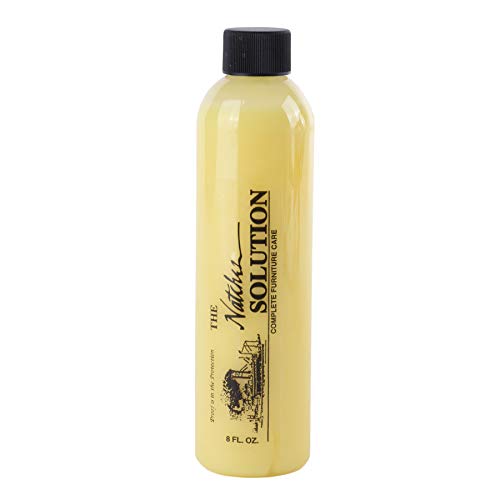
Natchez Solution Complete Furniture Care: All Natural Wood Cleaner and Polish- Replenishes and Restores Wooden Furniture (8 oz)
Check price on Amazon
Trade Secret Dark Wood Scratch Remover for Furniture and Floors, 8 oz | Coconut oil-based, 0% VOC formula, simple wipe-on wipe-off application, no sanding needed, covers dark wood discoloration
Check price on AmazonReady to Start? Full restoration is a rewarding project that saves money and preserves craftsmanship. Take your time, work methodically, and don't skip the prep. Your restored furniture will thank you with years of reliable service. If you're still deciding whether restoration is right for your piece, compare it against our guide to pre-owned outdoor furniture to see if buying a replacement might be more practical.