
Broken Wicker Strand Repair: Complete DIY Guide & Tips
Discover how to repair broken wicker strands on your outdoor furniture with our step-by-step guide. From identifying the damage to finishing the repair, we cover everything you need to restore your wicker pieces to their former glory.
Start RepairingOutdoorFurnitureAtlas Repair Philosophy: Wicker furniture is a timeless addition to any patio or garden, but broken strands can compromise both its appearance and structural integrity. With the right materials and a bit of patience, you can repair broken wicker strands yourself and extend the life of your favorite outdoor pieces. This guide walks you through every step, from assessment to finishing, so you can tackle the repair with confidence.
Recommended Wicker Repair Kits & Supplies
⚠️ AFFILIATE DISCLOSURE: This website contains affiliate links. As an affiliate Associate, we earn from qualifying purchases. If you make a purchase through these links, we may receive a small commission at no additional cost to you. Read our full affiliate policy.

Biggun 459ft Wicker Repair Kit with Tangle-Free Reel, Premium New Materials | Rattan Patio Chair Repair Kit for Wicker Furniture Sofas, Basket Weaving Webbing Replacement Parts (Graduated Dark Brown)
Check price on Amazon
Yarlung 1/5 Inch x 65 Feet Reed Spline, Natural Rattan Cane Webbing Roll for Basket Weaving Supplies, Round Permeable Reed Coil Wicker Chair Repair for DIY Craft, Furniture Making, Winding, Modeling
Check price on Amazon
ECYC Ltd 196.8 Feet Rattan Repair Kit for Wicker Furniture, 12mm Wide Flat Synthetic Rattan Weaving Material Plastic Imitation Rattan Wicker PE Rattan Strips for Repair Fixing Furniture, DIY Crafts
Check price on Amazon
Zorsculpt PE Rattan Repair Kit(Gray) | 120 ft Wicker Furniture Repair Material for Patio Chairs Sofas Tables Outdoor Restoration Flat Plastic Weave Ribbon
Check price on Amazon
AHANDMAKER 10M/32ft 2mm Basket Weaving Round Strands Natural Rattan Wicker Strips for Basket Furniture Making Chair Weaving Repairing DIY Craft, PapayaWhip
Check price on Amazon
Luxiys Basket Weaving kit | Rattan Repair Tools, Rattan Repair Kit for Wicker Furniture, Pine Needle Coiling Tool, DIY Handcraft Rattan Tool Kit, Basket Making Supplies
Check price on Amazon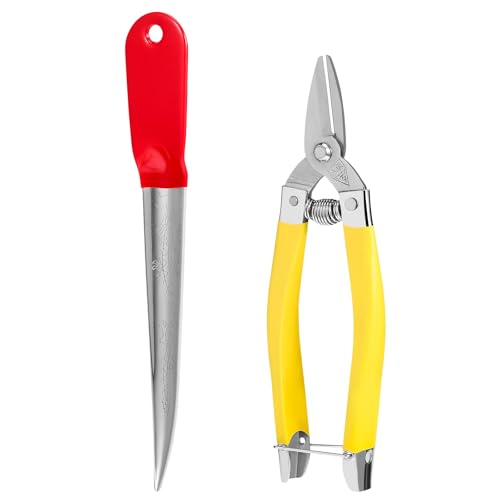
NIYANGLE Rattan Repair Kit Basket Weaving Tools with Pry Tool and Wicker Basket Scissor for Furniture Repair and DIY Craft
Check price on AmazonWhy Wicker Strands Break and Why You Should Repair Them
Wicker furniture, whether made from natural materials like rattan, willow, or bamboo, or synthetic resin wicker, is exposed to the elements year-round. Over time, UV rays, moisture, temperature fluctuations, and physical stress can cause individual strands to crack, fray, or break entirely. A single broken strand might seem minor, but it can quickly lead to larger structural issues if left unaddressed. Repairing broken wicker strands promptly not only preserves the aesthetic appeal of your furniture but also prevents further damage that could require costly professional repairs or replacement.
Before you begin any repair, it's helpful to understand the type of wicker you're working with. Natural wicker requires different handling than synthetic resin wicker. If you're unsure about your furniture's material, our resin wicker outdoor furniture guide can help you identify it. Additionally, regular maintenance, such as the steps outlined in our wicker furniture cleaning guide, can prevent many common issues before they start.
Tools and Materials You'll Need
Gathering the right tools and materials before you start is crucial for a successful repair. Here's what you'll need:
- Replacement wicker strands: Match the material, color, and thickness of your existing wicker. For natural wicker, look for rattan or willow strands; for synthetic, choose resin strands of the same profile.
- Sharp scissors or wire cutters: For trimming broken strands and cutting new ones to size.
- Needle-nose pliers: Useful for weaving and pulling strands through tight spaces.
- Hot glue gun or strong adhesive: For securing the ends of new strands. Ensure the adhesive is suitable for outdoor use and flexible when dry.
- Masking tape: To hold strands in place temporarily while you work.
- Sandpaper (fine grit): For smoothing rough edges on natural wicker.
- Clear outdoor sealant: To protect the repaired area from moisture and UV damage.
- Protective gloves and eyewear: Safety first, especially when cutting or working with synthetic materials.
For a broader overview of repair skills that can be applied to various outdoor furniture materials, see our DIY repair skill basics.
Step-by-Step Broken Wicker Strand Repair
Follow these steps carefully to repair a broken wicker strand. Take your time, and don't hesitate to pause and reassess if something doesn't look right.
Step 1: Assess the Damage
Examine the broken strand and the surrounding area. Determine whether the strand is simply snapped or if it has pulled loose from its weave. Check for any other loose or frayed strands nearby, as they may also need attention. If the damage is extensive or affects the structural integrity of the furniture, you may need to consult a professional or consider more comprehensive restoration, such as the techniques in our vintage patio furniture restoration guide.
Step 2: Prepare the Broken Area
Use scissors or wire cutters to trim away any frayed or splintered ends of the broken strand. For natural wicker, lightly sand the cut ends to smooth them. Clean the area around the break to remove dust and debris. If the strand has pulled out of the weave, gently pull it back into position as much as possible.
Step 3: Cut a Replacement Strand
Cut a new strand of wicker that is slightly longer than the damaged section. You'll want enough length to weave it into the existing pattern and secure the ends. For natural wicker, soak the new strand in warm water for 10–15 minutes to make it pliable. Synthetic strands are usually flexible enough to work with directly.
Step 4: Weave the New Strand
This is the most intricate part of the repair. Starting from one side of the break, weave the new strand into the existing pattern, following the original over-under sequence. Use needle-nose pliers to help guide the strand through tight spots. Work slowly and keep the tension consistent with the surrounding wicker. If you need to hold the strand in place temporarily, use small pieces of masking tape.
If the break is in a high-stress area, such as a seat or armrest, consider reinforcing the repair by weaving the new strand alongside the old one for a few inches on either side of the break.
Step 5: Secure the Ends
Once the new strand is woven in, trim any excess length, leaving about an inch. Tuck the ends under adjacent strands and secure them with a dab of hot glue or strong adhesive. For natural wicker, you can also use a small, thin nail or staple to secure the end, but be careful not to split the strand. For synthetic wicker, adhesive is usually sufficient.
Step 6: Finish and Seal
After the adhesive has dried, apply a clear outdoor sealant to the repaired area. This will protect the new strand from moisture, UV rays, and general wear. For natural wicker, you may also want to apply a light coat of linseed oil or a specialized wicker conditioner to keep the material supple. Allow the sealant to dry completely before using the furniture.
If you're repairing wicker as part of a broader seasonal maintenance routine, you might find our outdoor furniture spring prep guide helpful for planning other tasks.
Tips for a Successful Repair
- Match the material and color: The closer the match, the less noticeable the repair will be. If you can't find an exact match, consider repairing multiple strands or using a complementary color for a deliberate design accent.
- Work in good lighting: Natural daylight is best for seeing the weave pattern and matching colors.
- Don't rush: Weaving takes patience. If you feel frustrated, take a break and come back to it.
- Test the repair: After the repair is complete, gently press on the area to ensure it feels secure and matches the flexibility of the surrounding wicker.
- Prevent future damage: Keep your wicker furniture out of direct sunlight during peak hours if possible, and use furniture covers during harsh weather. Our furniture cover selection guide can help you choose the right protection.
When to Call a Professional
While many broken wicker strands can be repaired with DIY methods, some situations call for professional help. If the damage is widespread, if the furniture's frame is compromised, or if the piece has significant sentimental or monetary value, it's best to consult a professional furniture restorer. Attempting a complex repair without the right skills could cause further damage. For more involved restoration projects, see our wood furniture full restoration guide, which, while focused on wood, shares many principles applicable to comprehensive furniture restoration.
Preventing Broken Wicker Strands
Prevention is always better than cure. Here are some proactive steps you can take to keep your wicker furniture in top condition:
- Regular cleaning: Dust and debris can work their way into the weave and cause abrasion. Clean your wicker furniture regularly as described in our wicker furniture cleaning guide.
- Moisturize natural wicker: Natural wicker can dry out and become brittle. Apply a wicker conditioner or a light coat of linseed oil once or twice a year.
- Protect from UV: Use UV-resistant sealants or keep furniture in shaded areas. Our UV-resistant fabric guide offers broader insights into UV protection for outdoor materials.
- Avoid overloading: Don't exceed the weight capacity of your wicker furniture, and avoid placing heavy objects on delicate areas.
- Store properly: During off-season or extreme weather, store wicker furniture in a dry, sheltered area. If you must leave it outside, use breathable covers. Our outdoor furniture garage storage guide has practical tips for storing furniture safely.
Conclusion
Repairing broken wicker strands is a rewarding DIY project that can save you money and preserve the beauty of your outdoor furniture. With the right tools, materials, and a bit of patience, you can restore your wicker pieces to near-original condition. Remember to assess the damage carefully, match your materials, and take your time during the weaving process. And if the repair seems too daunting, don't hesitate to seek professional help.
By following this guide, you're not just fixing a single strand—you're extending the life of your furniture and maintaining the inviting atmosphere of your outdoor living space. For more maintenance and care advice, explore our outdoor furniture care & maintenance hub.