
Outdoor Furniture Mold Prevention
Protect your patio investment with proven strategies to stop mold, mildew, and moisture damage before it starts.
PREVENTION STEPSWhy Mold Prevention Matters: Mold and mildew don't just ruin the look of your outdoor furniture—they can weaken materials, cause unpleasant odors, and create health hazards for your family. This guide covers everything you need to know about keeping your patio furniture dry, clean, and mold-free throughout every season.
Understanding Mold & Mildew on Outdoor Furniture
Mold and mildew are fungi that thrive in damp, humid environments. Outdoor furniture is particularly vulnerable because it's constantly exposed to rain, dew, humidity, and temperature fluctuations. The key to prevention is understanding where moisture hides and how different materials react.
Mold typically appears as black, green, or gray fuzzy patches, while mildew tends to be white or gray and powdery. Both can develop within 24–48 hours of sustained moisture exposure. The most susceptible areas include cushions, fabric seams, wooden joints, wicker crevices, and the underside of furniture where air circulation is poor.
If you're unfamiliar with how different materials behave outdoors, our outdoor furniture materials hub provides a comprehensive foundation. For furniture that's already affected, see our deep cleaning guide to remove existing growth before applying preventive measures.
Which Materials Are Most Vulnerable?
Wood Furniture
Natural woods like teak, acacia, and eucalyptus are porous and absorb moisture. Untreated wood is highly susceptible to mold growth, especially in joints and end grains.
Fabric Cushions
Cushions trap moisture in foam and fabric layers. Without proper waterproof cushion selection and airflow, they become prime breeding grounds for mildew.
Wicker & Resin
Resin wicker is more resistant than natural wicker, but dirt and moisture still accumulate in weaves. Learn proper wicker cleaning techniques to keep it mold-free.
Metal Furniture
Metal itself doesn't grow mold, but its surfaces collect condensation and dirt. Rust-prone metals like wrought iron can create conditions where mold thrives.
Step-by-Step Mold Prevention Strategy
Follow these proven steps to keep your outdoor furniture mold-free year-round:
- Start with moisture-resistant materials. Choose furniture made from naturally rot-resistant woods, powder-coated aluminum, or high-quality resin. For wood, apply a moisture-sealing treatment before the rainy season begins.
- Invest in proper furniture covers. Breathable, waterproof covers are essential. Our furniture cover selection guide explains how to choose covers that block rain but allow air circulation to prevent trapped humidity.
- Use waterproof cushions and fabrics. Select cushions with quick-drying foam and solution-dyed acrylic fabrics. The UV-resistant fabric guide and outdoor fabric selection guide will help you make the right choice.
- Elevate furniture off the ground. Moisture wicks up from concrete and soil. Use furniture feet, glides, or a deck box to create an air gap. Our outdoor furniture glide guide covers options that also protect your patio surface.
- Improve air circulation. Don't push furniture flush against walls. Leave space between pieces so air can move freely. In tight spaces like balconies, consider a small balcony furniture guide for layout tips that promote airflow.
- Clean and dry regularly. Wipe down furniture weekly, especially after rain. Our weekly upkeep routine takes just minutes but prevents moisture from settling.
- Store cushions when not in use. Use a deck box or storage bench to keep cushions dry and protected. For off-season storage, follow our garage storage guide.
- Address leaks and drainage immediately. Fix any patio drainage issues, and ensure water doesn't pool around furniture legs. Our leveling guide helps you identify problem spots.
Never store damp cushions in a sealed container or cover furniture while it's still wet. Trapped moisture accelerates mold growth exponentially. Always ensure furniture is completely dry before covering or storing.
Material-Specific Mold Prevention
Different materials require different prevention approaches. Use this table as a quick reference:
| Material | Prevention Method | Frequency |
|---|---|---|
| Teak & Hardwoods | Apply teak oil or sealant; clean with mild soap and water | Every 3–6 months |
| Wicker & Rattan | Vacuum crevices; wipe with diluted vinegar solution | Monthly |
| Metal (Aluminum/Steel) | Wipe dry after rain; apply car wax to painted surfaces | After each rain |
| Fabric Cushions | Remove and air-dry after rain; use waterproof covers | After each rain |
| Resin & Plastic | Wash with soapy water; ensure drainage holes are clear | Weekly |
Seasonal Mold Prevention Calendar
Mold prevention isn't a one-time task—it requires seasonal attention. Here's how to stay ahead of moisture issues throughout the year:
Spring: Inspect furniture for winter damage and clean thoroughly. Apply fresh sealant to wood surfaces and check that covers are intact. Our spring prep guide walks you through the full process.
Summer: Focus on UV protection and quick-drying after sudden storms. High heat and humidity create ideal mold conditions, so maintain airflow and consider a patio umbrella or canopy to reduce direct moisture exposure.
Fall: Prepare for rainy season by applying waterproofing treatments and storing cushions. If you live in a wet climate, review our rainy season furniture care guide for climate-specific strategies.
Winter: Proper winterization is critical. Use breathable covers, elevate furniture, and consider indoor storage for cushions. Our winterizing guide covers everything you need for cold-weather protection.
Recommended Mold Prevention & Furniture Care Products
⚠️ AFFILIATE DISCLOSURE: This website contains affiliate links. As an affiliate Associate, we earn from qualifying purchases. If you make a purchase through these links, we may receive a small commission at no additional cost to you. Read our full affiliate policy.

MOLD ARMOR Mold Blocker, 32 OZ | Trigger spray bottle, biodegradable mold control, creates invisible barrier, indoor and outdoor surfaces
Check price on Amazon
PermaSafe SHIELD 90-Day Antimicrobial Surface Protectant Spray | Long-Lasting, Multi-Surface Protection Against Growth & Spread of Bacteria, Mold, Mildew, Fungi & Algae | Indoor & Outdoor Use - 32 Oz
Check price on Amazon
Scotchgard Outdoor Water & Sun Shield Fabric Spray, 10.5 oz | Water Repellent Spray for Outdoor Gear and Patio Furniture, Protects Against the Elements
Check price on Amazon
STAR BRITE Outdoor Collection Mildew Stain Remover, Professional Strength | Mildew stain remover for outdoor fabric, vinyl, grout & more; safe on multiple surfaces, fast acting
Check price on Amazon
Scotchgard Water & Sun Shield Outdoor Fabric Protector Spray, UV Protection and Water Protection for Patio Furniture, Upholstery & More – 10.5 oz Aerosol (3 Cans)
Check price on Amazon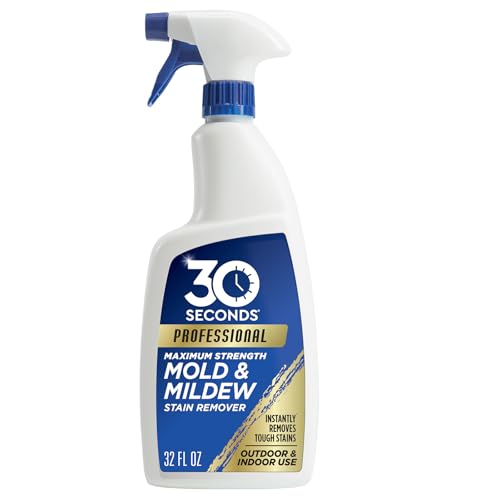
30 SECONDS Pro Mold & Mildew Stain Remover, Scrub-Free Formula, 32 Oz | Scrub-Free Formula, mold and mildew remover, mildew removal spray, mold killer, mold spray
Check price on Amazon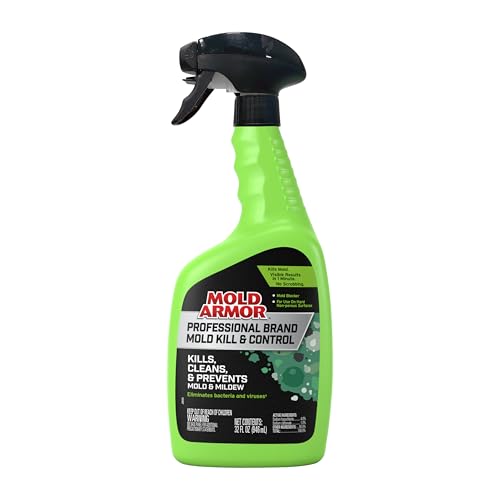
MOLD ARMOR Professional Brand Mold Kill & Control Spray, 32 oz., Hard Surface Mold and Mildew Remover, Visible Results in Minutes, Eliminates Bacteria and Viruses
Check price on Amazon
STAR BRITE Outdoor Furniture Protectant Spray | Outdoor furniture protectant spray forms a polymer barrier with UV inhibitors, preventing fading and cracking.
Check price on AmazonFrequently Asked Questions About Mold Prevention
How quickly does mold grow on outdoor furniture?
Mold can begin growing within 24–48 hours of sustained moisture exposure, especially in warm, humid conditions. In tropical climates, visible mold may appear within a single day after heavy rain if furniture isn't properly dried.
Can I use bleach to remove mold from outdoor furniture?
Diluted bleach can be effective on non-porous surfaces like metal and resin, but it can damage wood finishes and fade fabrics. For wood, use a vinegar-based solution or specialized wood cleaner. Always test on a small area first and follow up with a protective sealant.
What's the best way to prevent mold on outdoor cushions?
The most effective approach combines three strategies: use quick-drying foam and waterproof fabric, bring cushions inside or store them in a deck box when not in use, and ensure they are completely dry before storing. Standing them upright after rain helps water drain and air circulate.
Does vinegar kill mold on outdoor furniture?
White vinegar is a natural anti-fungal that can kill many types of mold. Spray undiluted vinegar on affected areas, let it sit for an hour, then scrub and rinse. It's safe for most materials but may need repeated applications for severe growth.
How do I prevent mold in humid climates?
In humid climates, prioritize airflow and moisture barriers. Use breathable covers rather than airtight ones, elevate furniture, run a dehumidifier if furniture is in an enclosed area, and consider materials like aluminum or resin that resist moisture absorption. Regular weekly upkeep is especially important in these conditions.
Should I cover my outdoor furniture every night?
It depends on your climate. In dry areas, nightly covering isn't necessary and can trap dew. In rainy or humid climates, covering at night protects against dew and unexpected rain, but only if furniture is dry before covering. Breathable covers are essential to prevent condensation buildup.
Final Thoughts: Prevention Is Easier Than Removal
Mold prevention on outdoor furniture comes down to one core principle: keep it dry and keep it clean. By choosing moisture-resistant materials, using proper covers, maintaining airflow, and following a consistent cleaning routine, you can enjoy your outdoor space without worrying about mold or mildew.
For more detailed guidance on specific furniture types and care routines, explore our care and maintenance hub. If you're in the market for new furniture that's naturally mold-resistant, our shopping and reviews hub offers curated recommendations for every budget and style.
Remember: a little prevention today saves hours of scrubbing tomorrow. Start with the steps above, and your outdoor furniture will stay fresh, safe, and beautiful for years to come.