
Outdoor Plant Stand Buying Guide: Elevate Your Garden Display
Discover how to choose the perfect outdoor plant stand for your patio, deck, or garden. From material selection to stability and style, we cover everything you need to make an informed purchase.
VIEW RECOMMENDED PLANT STANDSWhy an Outdoor Plant Stand Matters: A well-chosen plant stand does more than just hold your plants—it elevates them to eye level, protects them from pests and ground moisture, maximizes your vertical space, and transforms your outdoor area into a curated botanical display. Whether you have a sprawling garden or a compact balcony, the right stand is a game-changer.
Welcome to the complete outdoor plant stand buying guide. If you're looking to showcase your greenery while keeping your patio organized and stylish, you've come to the right place. This guide will walk you through every critical decision—from understanding material durability to selecting the right height and configuration—so you can purchase with confidence.
Unlike indoor plant stands, outdoor models must withstand the elements: rain, UV radiation, temperature fluctuations, and wind. The wrong choice can lead to rust, rot, or worse—a collapsed display that damages your beloved plants. That's why we've compiled this comprehensive resource, drawing on broader outdoor furniture materials knowledge to help you make a smart, lasting investment.
Why You Need a Dedicated Outdoor Plant Stand
Before diving into specifications, let's clarify the benefits. A dedicated outdoor plant stand isn't just a decorative accessory—it's a functional piece of garden furniture. Here's what it offers:
- Elevation and Visibility: Raising plants off the ground brings them into view, allowing you to appreciate their foliage and blooms at eye level. This is especially valuable for trailing plants or compact varieties that get lost in a crowded garden bed.
- Protection from Pests and Disease: Ground-level plants are more susceptible to slugs, snails, and soil-borne fungi. A stand lifts them away from these threats, promoting healthier growth.
- Improved Drainage: Standing pots on a hard surface can trap water, leading to root rot. Many plant stands feature slatted or grid designs that allow excess water to drain freely.
- Space Optimization: Vertical and tiered stands let you grow more plants in less square footage—perfect for small patios, balconies, or urban gardens. If you're working with limited space, consider pairing a stand with other small balcony furniture solutions.
- Aesthetic Appeal: A beautiful stand acts as a focal point, tying together your outdoor decor. It can complement your outdoor furniture and create a cohesive look.
In short, a plant stand is an investment in both plant health and outdoor aesthetics. Now, let's explore the factors that should guide your purchase.
Key Factors to Consider When Buying an Outdoor Plant Stand
Choosing the right stand requires balancing material, size, style, and stability. Let's break down each factor.
1. Material: Durability Meets Design
The material determines how well your stand will hold up against weather, how much maintenance it needs, and how it looks. Here are the most common options for outdoor use:
| Material | Pros | Cons | Best For | Typical Price Range |
|---|---|---|---|---|
| Metal (Iron, Steel, Aluminum) | Sturdy, modern look, rust-resistant if powder-coated, easy to clean | Can rust if finish is damaged, may get hot in direct sun, heavier | Modern and industrial decors, windy areas, heavy pots | $40–$250 |
| Wood (Teak, Acacia, Eucalyptus, Cedar) | Natural warmth, rot-resistant if treated, blends with garden | Requires periodic sealing, can warp or crack, heavier | Rustic and traditional gardens, covered patios | $50–$300 |
| Resin / Plastic | Lightweight, affordable, weatherproof, easy to move | Less sturdy, can become brittle over time, lower aesthetic appeal | Budget-friendly setups, temporary displays, balconies | $20–$80 |
| Wicker / Rattan (Synthetic) | Stylish, lightweight, UV-resistant, comfortable look | Can sag under heavy weight, less durable than metal or wood | Coastal and bohemian themes, lightweight pots | $35–$150 |
| Bamboo | Eco-friendly, lightweight, natural aesthetic | Less durable outdoors unless treated, prone to mold in damp climates | Eco-conscious buyers, covered areas | $25–$100 |
When choosing a material, consider your local climate. For coastal or rainy areas, powder-coated aluminum or stainless steel is your best bet—similar to the principles in our rust-proof furniture guide. For dry, sunny climates, wood and resin perform well. If you already own wooden furniture, matching your stand to teak or acacia pieces creates a cohesive look.
💡 Pro Tip: Look for powder-coated finishes on metal stands. This electrostatically applied coating is far more durable than paint and resists chipping and rust. For wooden stands, ensure they are labeled "weather-resistant" or "rot-resistant."
2. Size and Weight Capacity
The size of your stand should match both your plants and your available space. Consider these dimensions:
- Height: Stands range from low (6–12 inches) to tall (30–48 inches) and even tiered (up to 60 inches). Tall stands are ideal for trailing plants or to create a dramatic vertical accent. Low stands work well for heavy pots or as a base for a grouping.
- Width/Depth: Ensure the top surface is wide enough to accommodate your pot's base. A pot should never overhang the edges—this creates instability. As a rule, the stand's top should be at least 1–2 inches wider than the pot's base on all sides.
- Weight Capacity: This is critical. A large ceramic pot filled with soil and a mature plant can weigh 50–100 pounds or more. Check the stand's weight limit (often listed in product specs) and choose one that exceeds your estimated load by at least 20%.
If you're planning a multi-plant display, a tiered or multi-tier stand is efficient. But be mindful of balance—place heavier pots on lower tiers and lighter ones on top. This principle also applies when arranging other outdoor side tables or accent furniture.
3. Stability and Wind Resistance
Outdoor environments are unpredictable. A gust of wind can topple a lightweight stand, sending your plants crashing. Stability features to look for include:
- Wide Base: A stand with a base wider than its top is inherently more stable.
- Anti-Slip Feet: Rubber or plastic feet prevent sliding on smooth surfaces like decks and patios.
- Anchoring Options: Some stands come with holes for stakes or brackets to secure them to a wall or railing. If you live in a windy area, this is a must. You can also apply principles from our patio furniture wind anchoring guide.
- Weight Distribution: A heavier stand (e.g., cast iron or solid wood) is less likely to tip than a lightweight plastic one.
💡 Safety Note: Never place a tall, heavy plant on a lightweight stand. If you're unsure, test stability by gently pushing the stand—it shouldn't wobble. For extra security, consider using a furniture leveling guide to ensure your stand sits flat on uneven surfaces.
4. Style and Design
Your plant stand should harmonize with your outdoor decor. Popular styles include:
- Modern/Minimalist: Clean lines, geometric shapes, often in black, white, or metallic finishes. Pairs well with contemporary outdoor furniture.
- Rustic/Farmhouse: Natural wood, distressed finishes, and simple designs. Complements garden benches and wooden dining sets.
- Bohemian/Coastal: Wicker, rattan, and light colors. Ideal for relaxed, beachy vibes.
- Industrial: Pipe-style metal frames, often with a raw or matte finish. Works well in urban settings.
- Vintage/Ornate: Curved lines, scrollwork, and cast iron details. A classic choice for traditional gardens.
Think about the overall aesthetic of your space. If you've styled your patio with a modern outdoor furniture styling approach, a sleek metal stand will fit right in. For a rustic outdoor furniture styling theme, a reclaimed wood stand is a natural choice.
5. Configuration: Single, Tiered, or Multi-Plant
Plant stands come in several configurations:
- Single-Pot Stand: Simple, focused, and easy to place. Great for a statement plant or a tight corner.
- Tiered Stand: Two or more levels, allowing you to display multiple plants in a compact footprint. Excellent for creating a lush, layered look.
- Multi-Pot Stand (e.g., 3-in-1 or 5-in-1): Holds several pots on a single frame. Ideal for herb gardens or small flowering plants.
- Wall-Mounted or Railing Stand: Saves floor space and is perfect for balconies. Ensure it's securely attached.
- Ladder-Style Stand: A leaning design that mimics a ladder. Offers a rustic, space-saving display.
Your choice depends on how many plants you want to showcase and how much room you have. For small spaces, a tiered or wall-mounted stand is a smart solution. For larger patios, a combination of single and multi-pot stands creates visual interest.
Outdoor Plant Stand Price Guide
Prices for outdoor plant stands vary widely based on material, size, brand, and complexity. Here's a realistic breakdown of what you can expect to pay in the current market:
- Budget-Friendly (Under $50): Basic resin or plastic stands, small single-pot metal stands, and simple wooden designs. These are functional but may lack durability or aesthetic refinement. Good for temporary setups or lightweight pots.
- Mid-Range ($50–$150): This is the sweet spot for most buyers. You'll find sturdy powder-coated metal stands, well-made wooden stands (acacia, eucalyptus), and stylish tiered designs. These offer a good balance of durability, looks, and value.
- Premium ($150–$300): High-quality teak or stainless steel stands, intricate wrought-iron designs, and large multi-tier configurations. These are built to last and often come with better warranties.
- Luxury ($300+): Custom-made or designer stands, oversized statement pieces, and those made from exotic materials. For those who want a truly unique focal point.
Keep in mind that a higher price often correlates with better materials and construction, which translates to longevity. A $120 powder-coated steel stand that lasts a decade is a better investment than a $30 plastic stand that needs replacing every two years. If you're furnishing your entire patio, you might also want to check our guides on affordable outdoor furniture picks and mid-range outdoor furniture picks to balance your budget.
Placement and Styling Tips for Your Outdoor Plant Stand
Once you've chosen your stand, how you place and style it can elevate your entire outdoor space. Here are some expert tips:
- Create a Focal Point: Use a tall, striking stand with a vibrant plant as a centerpiece. Position it where it can be admired from your seating area.
- Group in Odd Numbers: When arranging multiple stands, odd numbers (3 or 5) tend to look more natural and visually appealing.
- Mix Heights: Combine tall, medium, and low stands to create depth and dimension. This is a common technique in outdoor furniture vignette ideas.
- Consider Traffic Flow: Don't block pathways or doorways. Ensure there's enough clearance for people to move comfortably. Our deck furniture clearance rules can guide you.
- Balance with Other Elements: Pair your plant stand with a patio coffee table or outdoor armchair to create a cohesive seating area.
- Protect from Harsh Sun: While many stands are UV-resistant, intense sun can fade finishes over time. If possible, place them in partial shade or use a patio umbrella for protection.
- Winter Care: If you live in a cold climate, bring lightweight stands indoors or store them in a shed. For heavy stands, use a furniture cover to protect them from snow and ice. Our outdoor furniture winterizing guide has more details.
Styling your plant stand is an opportunity to express your personality. Whether you prefer a minimalist aesthetic with a single sculptural pot or a lush, jungle-like arrangement, the right stand provides the foundation.
Maintenance: Keeping Your Plant Stand Looking New
Outdoor plant stands require minimal but consistent care to extend their lifespan. Here's a quick maintenance schedule:
- Weekly: Wipe down with a damp cloth to remove dust and pollen. Check for loose screws or wobbles.
- Monthly: Inspect for signs of rust, mold, or insect damage. Touch up paint or finish as needed.
- Seasonally: Deep clean according to material. For metal, use a mild soap and water solution; for wood, apply a sealant or oil. Refer to our outdoor furniture deep cleaning guide for detailed methods.
- Annually: Re-tighten all hardware, check stability, and reapply protective finishes. If your stand is wooden, consider moisture sealing to prevent water damage.
If you notice rust, address it immediately with our rust removal guide. For wobbly joints, our wobbly furniture joint fix tutorial can help. And for scratches, a little touch-up paint goes a long way.
Frequently Asked Questions About Outdoor Plant Stands
What is the best material for an outdoor plant stand?
The best material depends on your climate and style. Powder-coated aluminum or stainless steel is excellent for rust resistance and durability. Teak and acacia are top choices for wood lovers, as they naturally resist rot and insects. Resin is a budget-friendly, weatherproof option but may not be as sturdy for heavy pots.
How much weight can an outdoor plant stand hold?
Weight capacity varies by design. Always check the manufacturer's specifications. As a general rule, metal and solid wood stands can hold 50–150 pounds, while resin stands may only support 20–50 pounds. When in doubt, choose a stand with a higher capacity than you think you need.
Can I leave my plant stand outside all year?
It depends on the material and your climate. Powder-coated metal, stainless steel, and treated wood can typically stay outside year-round, but they will last longer with some protection. In freezing climates, bring lightweight stands indoors and cover heavy ones. Resin and plastic can become brittle in extreme cold.
How do I prevent my plant stand from tipping over in the wind?
Choose a stand with a wide base and anti-slip feet. Place heavier pots on lower tiers. If you live in a windy area, anchor the stand to a wall or railing using brackets or stakes. You can also place a heavy stone or brick on the base for added stability.
Are tiered plant stands stable?
Yes, well-designed tiered stands are stable, especially if they have a wide base and are made from sturdy materials like metal or wood. Just be sure to distribute weight evenly and avoid placing the heaviest pots on the top tier.
How do I clean my outdoor plant stand?
For metal, use a damp cloth with mild soap. For wood, use a soft brush and a wood-safe cleaner, then re-oil if needed. For resin, simply hose it down. Avoid abrasive cleaners that can scratch finishes. Regular cleaning prevents dirt buildup and lets you spot potential issues early.
Recommended Outdoor Plant Stands
⚠️ AFFILIATE DISCLOSURE: This website contains affiliate links. As an affiliate Associate, we earn from qualifying purchases. If you make a purchase through these links, we may receive a small commission at no additional cost to you. Read our full affiliate policy.

8Pcs Plant Stand Indoor Outdoor, Plant Level Pot Elevator- 2 Size Plant Riser Holder Plastic Floor Protector Plant Trivet, Heavy Planter Holder for Prevent Rot and Damage on Patio & Deck(7.9"&11.8" )
Check price on Amazon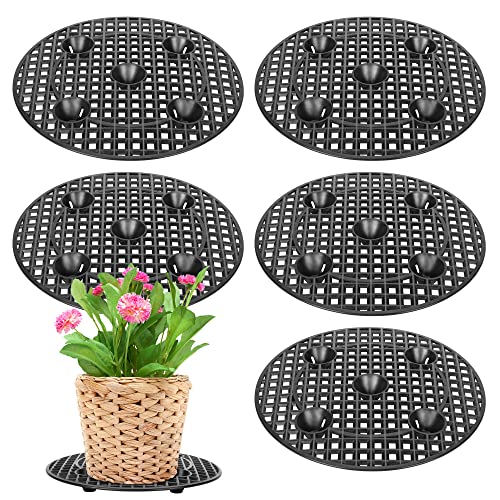
6 Pcs Big Potted Plant Stands, 12 Inch Patio and Deck Floor Protector | Heavy Duty Plants Riser, Plant Level Pot Elevator, Floor Protector Stands for Indoor Outdoor Garden Flower
Check price on Amazon
Bosmere S10410 Down Under Plant Stand, 12", Black
Check price on Amazon
GENTINGBRO Plant Stand Indoor Outdoor 63" Tall Plant Shelf for Plants 14-Tier Large Plant Sheves for Living Room Heavy Duty Plant Rack Garden Balcony Patio Hanging Planter
Check price on Amazon
Simple Trending Plant Stand Indoor Outdoor, Metal 3 Tier Tall Hanging Plant Shelf for Multiple Flower Planter Large Heavy Duty Ladder Plant Holder for Garden, Black
Check price on Amazon
3 Tier Corner Plant Stand Indoor Outdoor, Metal, 10 Inch Wide Tray, Black | 30 In Tall Folding Flower Pot Holder, Tiered Heavy Duty Display Shelf, Space Saving Patio Garden Multiple Rack, Rust-proof
Check price on Amazon
Bamworld Plant Stands Indoor 4 Sets Plant Shelves Outdoor | Wooden Plant Holder for Multiple Plants Flower Stands for Living Room Balcony Garden Patio Lawn Window
Check price on AmazonFinal Thoughts: Making the Right Choice
Buying an outdoor plant stand is a decision that blends practicality with personal style. By focusing on material durability, appropriate sizing, stability features, and a design that complements your outdoor space, you'll find a stand that serves you beautifully for years.
Remember to consider your climate, the weight of your plants, and how you want to display your greenery. Whether you opt for a simple single-pot stand or an elaborate tiered display, the goal is to enhance your enjoyment of your outdoor area.
Ready to explore options? Check out our curated selection of recommended plant stands above. And for more ways to elevate your patio, browse our setup and accessories hub or revisit our furniture types guide to complete your outdoor oasis.
Happy gardening!