




Why Teak Furniture Needs a Finish
Teak is prized for its natural oils and dense grain, which make it highly resistant to rot, insects, and weather. However, if left untreated, the sun's UV rays and rain will gradually strip away these natural oils. This causes the wood to turn a silver-gray color. While this patina is a classic look, many owners prefer to maintain the warm, golden-brown tone that new teak possesses. Applying a high-quality finish not only preserves the color but also adds an extra layer of protection against moisture and stains. For owners looking for general maintenance tips, our guide on the care and maintenance of outdoor furniture provides a comprehensive overview.
Types of Teak Finishes: Oil vs. Sealer vs. Varnish
Choosing the right finish can be overwhelming. There are three main categories to consider, each with its own pros and cons.
1. Teak Oil
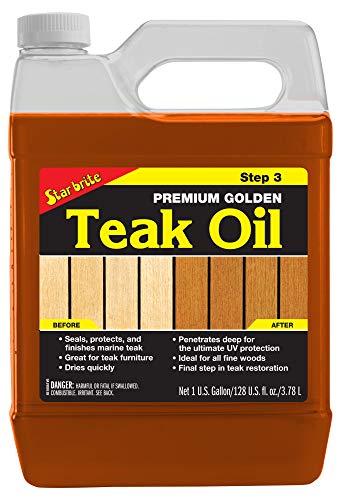
Teak oil is a penetrating finish that soaks into the wood to replenish its natural oils. It enhances the wood's natural color and grain, giving it a rich, warm glow. This is the most traditional way to finish teak. However, pure teak oil offers minimal UV protection and requires frequent reapplication—typically every 2 to 3 months, depending on the climate. It's a good choice if you love the natural look and don't mind a maintenance routine. If your furniture is in a high-traffic area, you might want to consider a more durable outdoor dining table option that requires less upkeep.
2. Teak Sealer
A teak sealer is a penetrating finish similar to oil, but it often contains UV inhibitors and fungicides. This makes it a superior choice for maintaining color and preventing mildew. A high-quality sealer will provide better protection against the sun's harmful rays than plain oil. Depending on the product, you may only need to reapply it once or twice a year. This is often the best balance of protection and ease of maintenance for most homeowners.
3. Varnish and Polyurethane
Varnish and polyurethane create a hard, film-forming finish on the surface of the wood. They offer the highest level of protection and give a shiny, furniture-like appearance. However, these finishes are not ideal for outdoor teak. They can crack, peel, and blister as the wood expands and contracts with temperature and humidity changes. Once a varnish finish starts to fail, it is very difficult to repair and often requires stripping the entire piece. For this reason, most outdoor furniture experts recommend avoiding varnish and polyurethane for teak pieces that will be exposed to the elements. You wouldn't apply a delicate film finish to heavy cast iron outdoor furniture, and the same principle applies here—durability is key.
How to Apply a Finish to Your Teak Furniture
Proper preparation is key to a successful finish. Before applying any product, you must clean the furniture thoroughly. This is especially true if you are restoring an older piece or if you are undertaking a full restoration of wood furniture.
- Clean the Surface: Use a dedicated teak cleaner and a stiff-bristle brush to remove dirt, mildew, and old finish. Rinse thoroughly and allow the wood to dry completely for 24-48 hours.
- Sand (Optional): If the wood feels rough, lightly sand it with fine-grit sandpaper (220-grit). Wipe away all dust with a tack cloth.
- Apply the Finish: Using a clean, lint-free cloth or a natural-bristle brush, apply a thin, even coat of your chosen oil or sealer. Work in the direction of the wood grain.
- Let it Soak In: Allow the finish to penetrate for 15-30 minutes. Wipe off any excess oil that has not been absorbed to prevent a sticky surface.
- Dry and Repeat: Let the first coat dry for at least 24 hours. You may apply a second coat for extra protection and color depth. For best results, apply at least two coats.
Remember that regular cleaning and occasional re-application are essential for long-term protection. If you have other furniture, like a piece with a heavy-duty outdoor recliner chair, always check the manufacturer's specific care instructions.
Maintaining Your Teak Furniture's Finish
Once your furniture is finished, it's important to maintain it. Keep it clean with a mild soap and water solution. Avoid using harsh chemicals or abrasive cleaners, which can strip the finish. If your furniture is under a large outdoor in-ground umbrella, it will be partially protected from direct sun and rain, which can help extend the life of your finish. However, it will still require periodic inspection. If the wood starts to look dry or faded, it's time to clean and reapply the finish.