
HDPE Outdoor Furniture: The Ultimate Low-Maintenance Solution
Discover why high-density polyethylene (HDPE) furniture outlasts wood, resists rot, and requires virtually zero upkeep—perfect for patios, decks, and poolside areas.
EXPLORE THE GUIDEThe HDPE Advantage: HDPE outdoor furniture is engineered from high-density polyethylene—the same durable plastic used in milk jugs and detergent bottles. This material is molded into solid, heavy-duty "lumber" that never rots, splinters, or requires painting. For homeowners seeking the ultimate in durability and low maintenance, HDPE is the modern solution that outperforms traditional wood and metal in almost every climate.
Top-Rated HDPE Outdoor Furniture Sets
⚠️ AFFILIATE DISCLOSURE: This website contains affiliate links. As an affiliate Associate, we earn from qualifying purchases. If you make a purchase through these links, we may receive a small commission at no additional cost to you. Read our full affiliate policy.

SERWALL HDPE Outdoor Patio Furniture Set Outdoor Couch | All Weather Outdoor Sectional with Coffee Table & Side Table, Brown Frame & Khaki Cushions
Check price on Amazon
SERWALL 7 Pcs Outdoor Dining Set, 67" HDPE Dining Set for 6, Black | Outdoor Dining Furniture with Rectangular Table & 6 Chairs, All-Weather Resistant Dining Set
Check price on Amazon
SERWALL HDPE Outdoor Furniture Set, 4 Piece All Weather Outdoor Sofa Set | Havy-duty Weatherproof HDPE Frame with Wood-Like Texture, Splash-proof Thick Cushions, Brown Frame and Grey Cushions
Check price on Amazon
SERWALL HDPE Outdoor Patio Furniture Set Outdoor Couch | All Weather Outdoor Sectional with Coffee Table & Side Table, Blue Frame & Gray Cushions
Check price on Amazon
SERWALL 5 Pcs HDPE Patio Dining Set, Outdoor Dining Set for 4, Blue | HDPE Outdoor Dining Set with Rectangular Table & 4 Chairs, All-Weather Patio Dining Furniture
Check price on Amazon
GREENVINES Oversized Outdoor Rocking Chairs Set of 2, HDPE Rocker, Black | 21.7" Wide Seat | All Weather | Plastic Porch Chair | High Ladder Back | Big & Tall | Heavy Duty | for Patio Balcony Deck
Check price on Amazon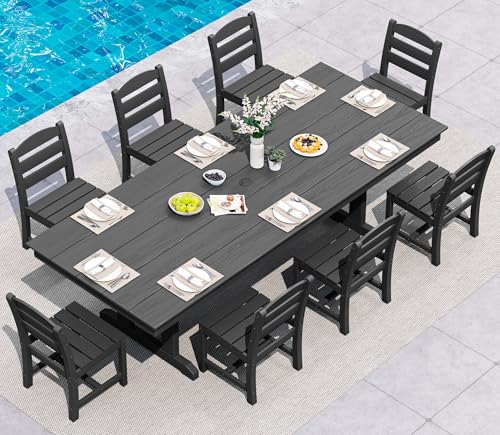
SERWALL 9Pcs 84" HDPE Outdoor Dining Set for 8 with Armless Chairs,Black | All-weather HDPE Frame,8 Armless Chairs with an 84" Table and Umbrella Hole,Perfect for Outdoor Gathering
Check price on Amazon
PamapicLife Dining Table Set, 5-Piece HDPE Outdoor Dining Set for 4, Gray | 1 Square 37.1“ Tables & 4 Chairs, 1.7" Umbrella Hole, 300 lb/Chair, Waterproof Wood-Grain Surface, 3-Box Delivery
Check price on AmazonWhat Exactly Is HDPE Outdoor Furniture?
HDPE stands for High-Density Polyethylene, a thermoplastic polymer known for its exceptional strength-to-density ratio. In the outdoor furniture industry, this material is often called "poly lumber" or "polywood." Instead of wood fibers, HDPE furniture is created by melting and molding recycled plastic into solid, uniform boards that mimic the look of traditional wood slats but without any of the natural weaknesses.
The key difference lies in the manufacturing process. The color pigments and UV inhibitors are blended directly into the molten HDPE before it is extruded or molded. This means the color runs through the entire thickness of the material, not just on the surface [citation:19]. As a result, there is no paint to peel, no stain to fade, and no surface coating that can chip away over time.
Unlike wood, which absorbs moisture and expands or contracts with temperature changes, HDPE is non-porous and dimensionally stable. It will not crack, split, or rot, even after years of exposure to rain and snow [citation:4]. This makes it an ideal choice for homeowners who want the aesthetic of painted wood furniture without the annual maintenance routine.
Why HDPE Outlasts Almost Every Other Material
When comparing outdoor furniture materials, HDPE consistently ranks at the top for longevity and durability. While teak wood might last 20 to 30 years with proper oiling, and powder-coated aluminum might give you 10 to 15 years before the finish degrades, HDPE furniture has a documented lifespan of 20 to 50+ years with virtually no maintenance [citation:4].
The secret to this longevity is what HDPE simply cannot do. It does not rust like wrought iron or steel. It does not rot or attract insects like natural wood. It is not brittle like some lower-grade plastics. The material is also engineered with UV stabilizers to prevent fading and cracking from prolonged sun exposure, and it handles salt spray and humidity exceptionally well [citation:3][citation:10].
Weight is another factor in durability. A typical HDPE Adirondack chair weighs between 30 and 50 pounds, making it heavy enough to stay put in strong winds but still manageable for one or two people to move when needed [citation:3]. This combination of weight and resilience means your furniture won't blow away during a storm, and it won't need to be stored away for the winter.
HDPE Furniture Cost: What to Expect
HDPE outdoor furniture sits in the mid-to-premium price range. While the upfront investment is higher than budget aluminum or basic resin sets, the long-term value is exceptional because you won't need to replace it every few seasons.
Here is a general overview of current market pricing:
- Single HDPE Adirondack Chair: $180–$350
- 3-Piece HDPE Bistro or Conversation Set: $800–$1,500
- 5-Piece HDPE Dining Set: $1,800–$3,200
- HDPE Chaise Lounge (Single): $350–$550
- Large HDPE Sectional or Deep Seating Set: $2,500–$4,500+
The price is influenced by the thickness of the HDPE lumber, the complexity of the assembly, and whether the hardware is marine-grade stainless steel. Brands that use 100% recycled content and offer longer warranties tend to command higher prices, but they also deliver better long-term durability [citation:17].
HDPE vs Wood, Metal, and Wicker: Material Comparison
Understanding how HDPE compares to other popular outdoor furniture materials helps you make an informed decision for your specific climate and lifestyle. Here is a side-by-side comparison based on climate performance, maintenance needs, and lifespan.
| Factor | HDPE | Teak Wood | Aluminum | Resin Wicker |
|---|---|---|---|---|
| Lifespan | 20–50+ years | 15–25 years | 10–15 years | 5–10 years |
| Rot Resistance | Excellent | Good (with oiling) | N/A | Good |
| Rust Resistance | Excellent | N/A | Very Good | Frame dependent |
| UV/Fade Resistance | Excellent (color through material) | Moderate (greys naturally) | Good | Good |
| Salt Air Resistance | Excellent | Moderate | Very Good | Moderate |
| Maintenance | Very Low (soap and water) | Moderate–High (annual oiling) | Low–Moderate | Low |
| Recyclability | Fully Recyclable | Limited | Highly Recyclable | Low |
For coastal homeowners dealing with salt air and humidity, HDPE is often the practical choice over wicker and metal. For those who want a natural wood aesthetic and are willing to commit to annual maintenance, teak remains a premium option. But for the vast majority of homeowners who want furniture that looks good year after year with minimal effort, HDPE delivers the best balance of durability, appearance, and convenience.
If you are weighing the aesthetic trade-offs between natural wood and modern synthetic materials, our comparison of wood vs resin outdoor furniture explores how these materials perform across different climates and design preferences.
Maintaining HDPE Furniture: What You Actually Need to Do
One of the most compelling reasons to choose HDPE is the near-total absence of required maintenance. You will never need to sand, paint, stain, or waterproof HDPE furniture. The material is inherently weatherproof and colorfast, so the only task is occasional cleaning.
For routine cleaning, a solution of mild dish soap and warm water is sufficient. Use a soft-bristle brush to work the soapy water into any textured grooves, then rinse thoroughly with a garden hose [citation:12]. For tougher stains or mildew that may develop in humid climates, a mixture of one gallon of warm water, half a cup of white vinegar, and a quarter cup of baking soda can be applied and left to sit for 10 to 15 minutes before scrubbing [citation:12].
Avoid abrasive cleaners, bleach on colored surfaces, and high-pressure washers set above 1,500 psi, as these can damage the material's surface finish. If your HDPE furniture develops a cloudy appearance after years of sun exposure, a commercial plastic restorer or a light application of mineral oil can help bring back its original luster [citation:12].
Proper care extends to the hardware as well. Stainless steel fasteners are standard on quality HDPE furniture, but periodic inspection of bolts and screws ensures everything remains tight and stable. For comprehensive guidance on keeping your outdoor investment in top condition, our outdoor furniture surface care guide covers best practices for all material types.
Key Factors When Buying HDPE Outdoor Furniture
Not all HDPE furniture is created equal. The quality of the raw material, the thickness of the boards, and the construction methods vary significantly between manufacturers. Here are the most important factors to evaluate before making a purchase.
Board Thickness and Weight: Higher-quality HDPE furniture uses thicker boards, typically 1 to 2 inches thick, which contributes to structural rigidity and stability. If a piece feels unusually light for its size, it may use thinner material that could be prone to flexing or sagging over time.
Hardware Quality: Look for marine-grade stainless steel hardware (AISI 304 or higher). This is critical for coastal environments and ensures that the fasteners will not rust or corrode, which can compromise the entire structure [citation:15].
UV Inhibitors and Color Integration: The best HDPE furniture has UV inhibitors and pigments blended throughout the material, not applied as a surface coating. This means the color will not fade or peel, even after years of direct sun exposure. When a brand advertises "ColorStay" or similar technology, it is referring to this integrated pigment system [citation:3][citation:19].
Recycled Content: Many manufacturers use post-consumer recycled plastic, such as milk jugs and detergent bottles, to create their HDPE lumber. Choosing recycled HDPE furniture supports sustainability and keeps plastic waste out of landfills [citation:1][citation:4].
For a broader perspective on evaluating furniture quality across all material types, our durable outdoor furniture guide provides additional criteria for selecting pieces that will stand the test of time.
Best Applications for HDPE Furniture
HDPE furniture performs exceptionally well in a wide range of outdoor settings. Its resistance to moisture, salt, and UV makes it the ideal choice for environments where other materials struggle.
Coastal and Poolside Areas: Salt spray and chlorine do not affect HDPE. Furniture placed around pools or on oceanfront decks will remain stable and attractive without the corrosion issues that plague metal furniture.
High-Humidity Climates: In tropical or subtropical regions where mold and mildew are constant threats, HDPE's non-porous surface prevents organic growth. A simple wash removes any surface debris without the need for harsh chemicals.
Four-Season Climates: HDPE can be left outdoors year-round, even in freezing temperatures. The material remains stable and will not become brittle or crack under thermal stress. This means you can skip the seasonal storage routine that wood and metal furniture requires.
High-Traffic Family Use: HDPE is resistant to dents, chips, and scratches from everyday use. It is a practical choice for families with children and pets, as it can handle rough treatment without showing significant wear. For those considering how HDPE seating fits into a broader outdoor living space, our outdoor seating guide covers arrangement and pairing strategies.
Is HDPE the Right Choice for Your Outdoor Space?
HDPE outdoor furniture represents a significant shift in how we think about patio furnishings. Instead of accepting that outdoor furniture is disposable or high-maintenance, HDPE offers a solution that is genuinely built to last. The combination of weather resistance, colorfastness, and minimal upkeep makes it an increasingly popular choice for homeowners who want to enjoy their outdoor spaces rather than constantly work on them.
The upfront cost is higher than budget aluminum or low-grade resin, but when you factor in the 20 to 50+ year lifespan and the elimination of painting, sealing, and replacement costs, HDPE delivers exceptional value over time. For anyone tired of replacing wood furniture every few years or dealing with rust on metal frames, HDPE is a compelling alternative.
Whether you are furnishing a small balcony with a simple bistro set or creating a full outdoor dining room, HDPE offers a practical and beautiful foundation. Explore our outdoor living hub for more inspiration and guidance on creating a space you will love for decades to come.