Why Oiling Your Teak Furniture Matters
Teak is one of the most durable woods for outdoor furniture, thanks to its natural oils and tight grain. However, over time, exposure to sun, rain, and changing temperatures can cause teak to fade to a silvery-gray patina. While this weathered look is preferred by some, many homeowners want to preserve that warm, golden-brown hue. Oiling is the most effective way to maintain teak's original color and enhance its natural resistance to moisture and UV damage.
When you oil teak, you're not just improving its appearance—you're replenishing the natural oils that protect the wood from within. This simple maintenance task can extend the life of your teak wood outdoor chairs and teak outdoor coffee table for years, saving you money on replacements.
When to Oil Your Teak Furniture
Timing is everything when it comes to oiling teak. The best time to apply oil is at the start of the outdoor season, typically in spring, before the furniture sees heavy use. You should also reapply oil every 3 to 6 months, depending on your climate and how much exposure your furniture gets.
Here are the ideal conditions for oiling:
- Temperature: Between 60°F and 80°F (15°C to 27°C). Avoid applying oil in extreme heat or direct sunlight, as it can dry too quickly and cause uneven absorption.
- Weather: Choose a day with low humidity and no rain in the forecast for at least 24 hours.
- Wood Condition: The wood should be clean and completely dry. If you've just cleaned your furniture, wait 24 to 48 hours before oiling.
Choosing the Right Teak Oil
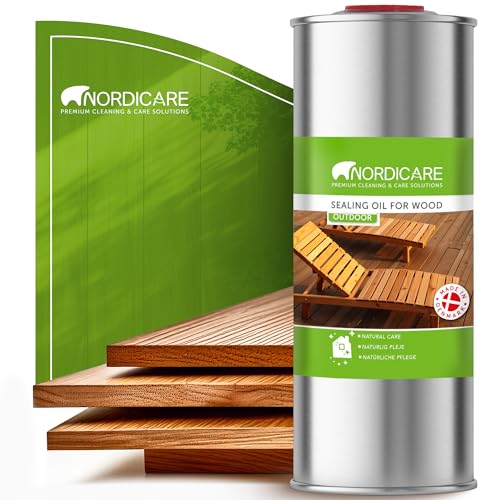
Not all oils are created equal. When shopping for teak oil, look for products specifically formulated for teak or hardwood outdoor furniture. These oils typically contain a blend of linseed oil, tung oil, and UV inhibitors that protect against sun damage.
Avoid using motor oil, vegetable oil, or other household oils—they can damage the wood and attract mold. High-quality teak oils are available at most hardware stores and online, typically ranging from $15 to $40 per quart.
If you're unsure which product to choose, consider reading reviews or consulting with staff at a specialty woodworking store. The right oil will penetrate deeply, dry evenly, and leave a non-greasy finish.
Step-by-Step Guide to Oiling Teak Furniture
Follow these steps for professional-looking results:
- Clean the Furniture: Use a soft-bristle brush and a mild soap solution to remove dirt, dust, and mildew. Rinse thoroughly with water and allow the furniture to dry completely. For heavily soiled pieces, use a commercial teak cleaner.
- Sand Lightly (Optional): If the surface feels rough, lightly sand it with fine-grit sandpaper (220-grit). Wipe away dust with a tack cloth.
- Apply the Oil: Pour a small amount of teak oil onto a clean, lint-free cloth or a foam brush. Apply a thin, even coat, working with the grain of the wood. Don't saturate the wood—a little goes a long way.
- Let It Penetrate: Allow the oil to soak in for 15 to 30 minutes. If the wood absorbs the oil quickly, apply a second thin coat.
- Wipe Off Excess: Use a clean, dry cloth to wipe away any oil that hasn't been absorbed. This prevents a sticky residue from forming.
- Dry and Cure: Let the furniture dry for at least 24 hours before using it. Avoid placing it in direct sunlight during this time.
For larger pieces like large outdoor dining tables or outdoor corner sofas, work in sections to ensure even coverage.
Common Mistakes to Avoid
Even experienced DIYers can make mistakes when oiling teak. Here are a few pitfalls to watch out for:
- Over-Oiling: Applying too much oil can lead to a sticky, gummy surface that attracts dirt. Always wipe off excess oil.
- Oiling Dirty Wood: Oil won't penetrate properly if the wood is dirty. Always clean first.
- Using the Wrong Product: Avoid oils that contain silicone or petroleum distillates, as they can harm the wood.
- Ignoring the Weather: Applying oil in direct sunlight or high humidity can cause uneven drying and poor absorption.
How Often Should You Oil Teak Furniture?
The frequency of oiling depends on your climate and how much your furniture is exposed to the elements. In general:
| Conditions | Oiling Frequency |
|---|---|
| Year-round outdoor exposure (sun, rain, snow) | Every 3 months |
| Seasonal exposure (covered in winter) | Every 6 months |
| Covered patio or porch | Once a year |
| Indoor or sunroom use | Every 12–18 months |
If you notice the wood starting to look dry or faded, it's time to oil, regardless of the schedule.
Alternatives to Oiling Teak
While oiling is a popular choice, it's not the only way to protect teak. Some homeowners prefer to let their teak weather naturally to a silver-gray patina, which requires no maintenance beyond occasional cleaning. Others use teak sealers or varnishes, which provide a more protective, glossy finish but may require more frequent touch-ups.
If you're considering outdoor furniture without cushions, teak is an excellent choice because it's comfortable and durable even without added padding. Pair it with outdoor seat cushions for extra comfort and style.
Final Thoughts
Oiling your outdoor teak furniture is a simple yet highly effective way to preserve its beauty and extend its lifespan. With the right products and a little patience, you can keep your teak looking rich and vibrant for years to come. Whether you have a teak outdoor coffee table, a set of teak chairs, or a full dining set, regular oiling will protect your investment and enhance your outdoor living space.
Ready to get started? Gather your supplies, pick a sunny day, and give your teak furniture the care it deserves.