
Outdoor Deck Box Buying Guide: Weatherproof Storage for Your Patio
Discover how the right outdoor deck box protects your cushions, tools, and pool gear from rain, sun, and pests — while keeping your patio organized and clutter-free.
START EXPLORINGOutdoorFurnitureAtlas Philosophy: An outdoor deck box is one of the most underrated investments in any patio setup. It shields your outdoor furniture cushions, grilling tools, pool toys, and seasonal decor from the elements — extending their lifespan and keeping your space tidy. This guide walks you through every material, size, and feature so you can choose the perfect storage chest with confidence.
What Is an Outdoor Deck Box and Why Do You Need One?
An outdoor deck box — also called a storage chest, patio storage box, or deck storage bench — is a weather-resistant container designed to live outside year-round. Unlike indoor storage bins, deck boxes are engineered to withstand rain, UV rays, humidity, and temperature swings while keeping contents dry and protected.
If you own outdoor furniture with cushions, you already know the hassle of dragging them inside every time it rains. A quality deck box solves that problem instantly. It also gives you a dedicated spot for pool accessories, gardening tools, grill covers, and kids' toys — clearing clutter from your deck and extending the life of everything you store. For a broader look at how storage fits into a complete patio setup, see our outdoor storage chest guide and our deck box overview.
Beyond practicality, a well-chosen deck box doubles as extra seating or a side surface. Many models are rated to hold 200–400 lbs on the lid, making them functional furniture pieces rather than just containers. That dual purpose is why deck boxes have become a staple in modern outdoor living design.
Deck Box Sizes and Capacities: Finding the Right Fit
Deck boxes range from compact 30-gallon units to massive 150-gallon chests. The right size depends on what you need to store and how much floor space you can spare. As a rule of thumb, a 50-gallon box holds a small set of chair cushions, while a 120-gallon box can swallow a full patio sofa cushion set plus throws and pillows.
Measure your available space before buying. A 120-gallon box typically measures around 50–60 inches long, 24–28 inches wide, and 24–28 inches tall. If you have a narrow balcony, look for vertical or slim-profile boxes that maximize height instead of length. For tight spaces, consider a plastic outdoor storage bench that combines seating and storage in one footprint.
Also think about clearance: you need room to open the lid fully. Hinged lids need vertical clearance, while split lids or sliding tops work better under windows or low railings. If your patio layout is still in flux, our outdoor table clearance guide offers useful spacing principles that apply to deck boxes too.
Deck Box Materials: Resin, Wood, Plastic, and Metal Compared
The material you choose determines durability, maintenance, appearance, and price. Here's how the main options stack up:
Resin deck boxes are the most popular choice for good reason. They're waterproof, UV-resistant, lightweight, and require almost zero maintenance. High-quality resin won't crack, fade, or rust. Expect to pay $80–$350 for a quality resin box. They come in rattan-look, wicker-look, and smooth finishes that blend with most patio styles.
Wooden deck boxes — especially teak, acacia, and cedar — offer natural beauty and can double as furniture. Teak is the gold standard for weather resistance, while acacia and cedar are more affordable alternatives that still hold up well with occasional sealing. Wooden boxes typically cost $150–$600. If you already own wooden furniture, a matching wooden box creates a cohesive look. Learn more about care in our refinishing teak outdoor furniture guide.
Plastic deck boxes are the budget-friendly option. They're lightweight, easy to move, and resistant to rot and rust. However, cheaper plastic can become brittle in cold weather and fade in strong sun. Look for UV-stabilized, high-density polyethylene (HDPE) for the best longevity. Budget $40–$120 for a basic plastic box, or $150+ for heavy-duty HDPE models.
Metal deck boxes — usually powder-coated steel or aluminum — are sturdy and secure but prone to rust if the finish chips. They're best for covered patios or dry climates. If you go metal, choose aluminum over steel for better corrosion resistance and inspect the coating annually.
Weatherproofing Features That Actually Matter
Not all "weatherproof" deck boxes are created equal. Here are the features that separate a box that lasts five years from one that lasts fifteen:
Watertight seals and gaskets: Look for rubber or silicone gaskets around the lid rim. These prevent rain from seeping in during heavy storms. A simple overlap lid is fine for light rain, but a gasketed lid is essential if you store cushions or electronics.
UV-resistant materials: Constant sun exposure breaks down cheap plastics and fades finishes. UV-stabilized resin and marine-grade materials resist yellowing and cracking. This matters most for boxes in full sun.
Ventilation: A fully sealed box can trap moisture and cause mold. Some premium boxes include passive vents that let air circulate while keeping rain out. If your box lacks vents, add a reusable desiccant pack to absorb humidity. Our outdoor furniture waterproof guide covers moisture control in more detail.
Elevated base: A box that sits flush on the ground wicks up moisture and invites pests. Feet or a recessed base keep the bottom dry and allow air to flow underneath.
Lockable latches: If you store valuable tools or want child safety, choose a box with a lockable hasp. Many resin boxes accept a standard padlock.
How to Choose the Best Outdoor Deck Box for Your Space
Start with the contents. Cushions need a wide, deep box with a gasketed lid. Tools and grill accessories need a lockable, sturdy box. Pool toys and floats need a large-capacity box that's easy to open with wet hands. Once you know what goes in, match the box to the job.
Next, consider placement. Full-sun spots demand UV-stabilized resin or sealed wood. Covered porches allow more material freedom, including metal. If the box will double as seating, check the weight capacity and lid construction — reinforced lids with a slight contour are more comfortable.
Finally, think about style. A deck box is visible furniture, not a hidden utility bin. Rattan-look resin boxes pair beautifully with wicker conversation sets, while clean-lined modern boxes suit aluminum and metal furniture. If you're curating a cohesive look, our outdoor furniture styling guide and outdoor vignette ideas show how storage can blend seamlessly into your design.
Budget-wise, expect to spend $40–$120 for a basic plastic box, $80–$350 for a quality resin box, $150–$600 for wood, and $200–$800 for premium or extra-large models. For most homeowners, a mid-range resin box in the $150–$250 range offers the best balance of durability, capacity, and appearance.
Placement and Organization Tips for Your Deck Box
Where you place your deck box affects both convenience and longevity. Put it near the furniture it serves — beside a sofa or at the end of a dining set — so cushion retrieval is effortless. Keep it out of direct downspout runoff and away from sprinkler heads.
Inside the box, use breathable mesh bags or dividers to separate categories: cushions in one section, tools in another, pool gear in a third. This prevents mildew and makes finding items quick. If you store cushions long-term, elevate them on a small rack inside the box so air circulates underneath.
For winter, a deck box can hold folded umbrellas, furniture covers, and small decor. Just make sure everything is bone-dry before sealing it in for the season. Our outdoor furniture cover guide explains how covers and storage work together to protect your investment.
Recommended Outdoor Deck Boxes & Storage Chests
⚠️ AFFILIATE DISCLOSURE: This website contains affiliate links. As an affiliate Associate, we earn from qualifying purchases. If you make a purchase through these links, we may receive a small commission at no additional cost to you. Read our full affiliate policy.

Keter Westwood 150 Gal Outdoor Storage Box for Patio and Pool Accessories | Brown, Resin, Large, Waterproof, Lockable, Easy Lift Pistons, Easy Assembly, Organization, Patio Cushions Storage
Check price on Amazon
Keter Westwood Outdoor Storage Deck Box, 150 Gallon, Dark Grey | Grey, Resin, Large, Waterproof, Lockable, Easy Lift Pistons, Easy Assembly, Organization, Patio Cushions Storage
Check price on Amazon
LIFETIME 60012 Extra Large Deck Box, 130 Gallon, Desert Sand/Brown
Check price on Amazon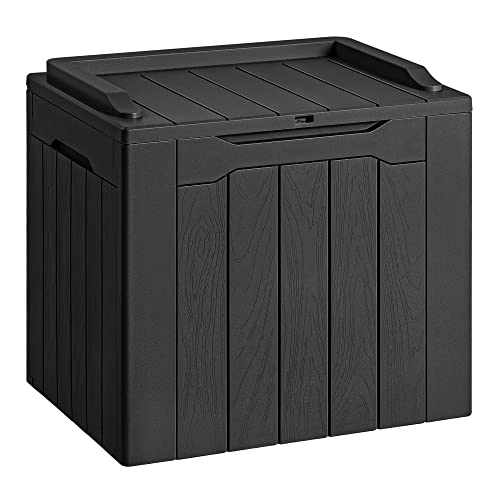
Devoko 30 Gallon Resin Deck Box Waterproof Outdoor Storage Box for Patio Furniture Pool Accessories Indoor Storage for Cushion Garden Tools (30 Gallon, Black)
Check price on Amazon
Devoko 100 Gallon Waterproof Deck Box, Resin Large Outdoor Storage Box | 110 External Gallons Lockable Storage Container Indoor Outdoor for Patio Cushions & Garden Tool Storage
Check price on Amazon
Keter Kentwood 92 Gal Outdoor Storage Box for Patio and Pool Accessories | Brown, Resin, Large, Waterproof, Lockable, Durable, Easy Assembly, Organization, Patio Cushions Storage
Check price on Amazon
Devoko 78 Gallon Deck Box, Waterproof Resin Outdoor Storage Box | Outdoor Storage Bench Lockable for Outside and Patio Furniture, Garden Tools
Check price on Amazon
Outdoor Storage Box, 160 Gal Gen 2 Resin Deck Box w/ Gas Struts & Wheels | UV Protected & Waterproof Large Outside Storage Cabinet, Ideal For Toy, Garden Storage & Patio Package Delivery
Check price on AmazonDeck Box Maintenance: Keep It Looking New for Years
Maintenance requirements vary by material, but a few universal habits keep any deck box in top shape. Rinse resin and plastic boxes with a hose and mild soap every few months. Wipe wooden boxes with a damp cloth and reapply sealant annually. For metal boxes, touch up any chips in the powder coating immediately to prevent rust from spreading.
Check lid seals and gaskets each season. A worn gasket is the most common cause of water intrusion. Replace it with a peel-and-stick weatherstrip from any hardware store — a five-minute fix that saves your cushions. Also inspect hinges and latches; a dab of silicone lubricant keeps them moving smoothly.
During heavy rain or hurricane season, consider adding a weighted anchor or strapping the box down if it's lightweight. Our outdoor furniture wind anchoring guide covers safe anchoring techniques for all outdoor pieces, including storage boxes.
Common Deck Box Buying Mistakes to Avoid
Buying too small: The most common regret. Always size up — a box that's 20% larger than you think you need rarely goes to waste. If in doubt, measure your largest cushion set and add 30% volume.
Ignoring the lid design: A flimsy lid that warps in heat or leaks in rain defeats the purpose. Look for double-wall construction and reinforced hinges.
Choosing style over function: A beautiful wooden box that isn't sealed will rot faster than a plain resin box that's properly weatherproofed. Prioritize function, then match style.
Forgetting ventilation: Airtight boxes trap moisture. Unless your box has vents, plan to use desiccant packs and open it on dry days to air out.
Overlooking weight: A 150-gallon box full of cushions is heavy. If you need to move it seasonally, choose a lighter resin model or add casters.
Frequently Asked Questions About Outdoor Deck Boxes
Are deck boxes truly waterproof? Most quality resin boxes are water-resistant and keep contents dry in normal rain. For torrential downpours or flooding, choose a gasketed box with an elevated base, and consider a waterproof liner bag for extra protection.
Can I use an indoor storage bin outside? No. Indoor bins aren't UV-stabilized or weather-sealed. They'll crack, fade, and leak within a season. Always choose a product explicitly rated for outdoor use.
How much weight can a deck box hold? Resin boxes typically support 200–400 lbs on the lid when used as seating. Wooden and metal boxes often support more. Always check the manufacturer's rating before sitting on it.
Do I need to anchor my deck box? In windy areas, yes. Lightweight plastic and resin boxes can blow over or away in storms. Use an anchor kit, place heavy items inside, or strap it to a railing.
What's the best deck box for cushions? A large resin box (100+ gallons) with a gasketed lid, elevated base, and passive ventilation. This combination keeps cushions dry, mold-free, and ready to use.
Final Thoughts: Storage That Works as Hard as You Do
An outdoor deck box is a small investment that pays off every single day. It protects your furniture, organizes your patio, and eliminates the daily scramble to bring cushions inside. Whether you choose a budget-friendly plastic chest, a versatile resin box, or a handsome wooden bench, the key is matching the box to your climate, contents, and space.
Use this guide as your checklist: confirm the size, verify the weatherproofing features, choose a material that suits your maintenance style, and plan its placement before you buy. Do that, and your deck box will serve you for a decade or more — quietly keeping your outdoor living space ready for every sunny afternoon.
Ready to explore more ways to upgrade your patio? Browse our guides on outdoor furniture styling, outdoor rugs, and outdoor pillows to complete the look.