

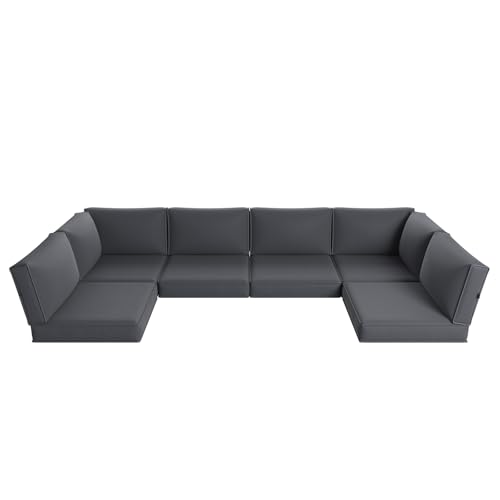


Your Step-by-Step Guide to Choosing Replacement Cushions
Your outdoor living space is an extension of your home, and comfortable seating is the key to enjoying it fully. When your existing cushions become faded, flattened, or torn, you don't need to buy a whole new furniture set. Replacing the cushions is a smart, affordable upgrade. Whether you are looking for outdoor chair cushions or a complete set for your outdoor sofa, this guide will help you make an informed decision.
1. Measure for a Perfect Fit
Before you shop, accurate measurements are non-negotiable. Cushions that are too small will slide around, while those that are too large won't fit properly and can strain seams. Measure the width, depth, and thickness of your existing cushions, or the seating area of your furniture frame. For chairs, measure the seat and the back separately if they require two cushions. If you have a outdoor sectional or a curved outdoor couch, consider the shape and corner pieces. Always round up to the nearest half-inch to ensure a snug fit.
2. Choose the Right Fabric for Your Climate
The fabric is the most critical factor for durability and comfort. You need a material that resists fading, mold, and water. Here are the top choices:
- Solution-Dyed Acrylic (e.g., Sunbrella): The gold standard for outdoor use. The color is infused into the fibers, making it highly fade-resistant and easy to clean. It's soft to the touch and breathable.
- Olefin: A durable, synthetic fiber that is inherently resistant to moisture, mildew, and fading. It's often more affordable than acrylic but can feel slightly less soft.
- Polyester: A budget-friendly option. Look for solution-dyed or coated polyester for better weather resistance. It's not as durable as acrylic or olefin but works well for covered patios.
For a deeper dive into material choices, our materials hub is a valuable resource. If you are comparing different furniture materials, you might find our article on wicker vs. metal helpful.
3. Select the Best Foam for Comfort and Support
The foam determines how your cushions feel and how long they last. The two main types are:
- Polyurethane Foam: The most common choice. It offers good support and comes in various densities. A higher density (e.g., 1.8 lbs/cubic foot or higher) will last longer and resist sagging.
- Memory Foam: Offers superior comfort and pressure relief, but it can be more expensive and may retain heat.
- Quick-Dry Foam: A special type of polyurethane foam with an open-cell structure that allows water to drain quickly and air to circulate, preventing mold and mildew. This is an excellent choice for uncovered areas or rainy climates.
Consider a cushion with a core of high-density foam wrapped in a softer layer for the best combination of support and plushness. For a complete look, don't forget to refresh your throw pillows as well.
4. Weatherproofing and Maintenance
Even the best cushions need some care. Look for features like zippered covers for easy washing, ties to secure the cushion to the frame, and vents to allow airflow. To keep your new cushions looking great, clean them regularly according to the manufacturer's instructions and store them in a storage box or cabinet during harsh weather. Using a furniture cover is also a wise investment.
5. Style and Aesthetic Considerations
Replacement cushions are a fantastic opportunity to update your outdoor decor. You can completely change the look of your space by choosing a new color or pattern. To create a cohesive design, explore our guides on color harmony and neutral palettes. If you want to make a bold statement, a bold color palette might be for you. For inspiration on arranging your refreshed space, see our vignette ideas.
Frequently Asked Questions
Can I use indoor cushions outdoors? No, indoor cushions are not designed to withstand moisture, UV rays, or temperature changes. They will deteriorate quickly and are prone to mold. Always use cushions specifically designed for outdoor use.
How often should I replace my outdoor cushions? With proper care, high-quality outdoor cushions can last 3–5 years or more. However, if they become permanently flattened, develop mold that can't be removed, or the fabric is torn and faded, it's time for a replacement.
Are replacement cushions worth it? Absolutely. They are a fraction of the cost of new furniture and can instantly make your old set feel new again. It's an easy way to improve the comfort and style of your outdoor living space.