Rustic Outdoor Bench: Adding Charm to Your Garden
Discover how a rustic outdoor bench can complement your wicker daybed and create a cohesive, natural look.
Read More →
Transform your patio into a resort-style retreat with the perfect wicker daybed. Learn about materials, cushion care, sizing, and top picks for every budget.
SHOP TOP PICKSWhy an Outdoor Wicker Daybed? A wicker daybed is more than just furniture; it's an invitation to relax. Combining the durability of synthetic resins with the timeless appeal of woven design, these pieces offer a unique blend of comfort, style, and weather resistance. Whether you're looking to create a cozy reading nook or a sun-drenched lounging area, a wicker daybed is a versatile centerpiece that elevates any outdoor space.
⚠️ AFFILIATE DISCLOSURE: This website contains affiliate links. As an affiliate Associate, we earn from qualifying purchases. If you make a purchase through these links, we may receive a small commission at no additional cost to you. Read our full affiliate policy.


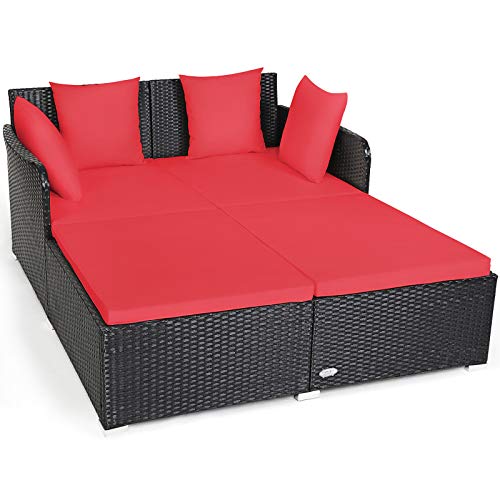


An outdoor wicker daybed is a versatile piece of furniture designed for lounging, similar to an indoor daybed but built to withstand the elements. It typically features a woven frame—made from natural rattan or, more commonly, synthetic resin wicker—and a large, flat platform that can accommodate a thick cushion or mattress. Unlike a traditional sofa, a daybed is often deeper and can be used for sitting, reclining, or even napping. It serves as a hybrid between a chaise lounge and a sofa, making it a perfect focal point for a patio, poolside, or garden. For those who love the look but need something more compact, a compact outdoor furniture option might be a better fit, but a daybed truly shines in spacious areas.
Wicker has been a staple in outdoor furniture for centuries, and for good reason. Modern synthetic wicker, often made from high-density polyethylene (HDPE), offers the classic woven look without the fragility of natural materials. It is resistant to UV rays, moisture, and temperature fluctuations, meaning it won't fade, crack, or rot like natural rattan might. This makes it an ideal choice for a daybed that will be exposed to the sun and rain. The woven texture also adds a layer of visual warmth and texture that smooth metals or plastics lack. If you're considering other materials, you might compare it to modern outdoor chairs set of 2, but for a daybed, wicker's organic feel is hard to beat. The flexibility of the weave allows for intricate designs, from classic round shapes to more modern style outdoor furniture silhouettes.
Before you invest in an outdoor wicker daybed, there are several critical factors to evaluate to ensure you get a piece that fits your space, lifestyle, and budget.
The core of any wicker daybed is its frame. While the wicker itself is weather-resistant, the frame underneath is just as important. Look for frames made from powder-coated aluminum or galvanized steel, as these are rust-resistant and lightweight. Some cheaper models use steel that isn't properly treated, which can rust over time, especially in humid climates. A sturdy frame ensures the daybed doesn't wobble and can support the weight of multiple users. If you're looking for something that can be easily moved, consider a stackable outdoor furniture option, though daybeds are typically not stackable due to their size.
As mentioned, synthetic wicker is generally the better choice for outdoor use. However, not all synthetic wickers are created equal. High-quality HDPE wicker is UV-stabilized and color-fast. Lower-quality versions may become brittle and fade within a season or two. Natural rattan, while beautiful, requires much more maintenance and should only be used in covered areas. For a truly low-maintenance option, synthetic wicker is the way to go. You can learn more about material care in our guide to outdoor waterproof cushion storage.
Daybeds come in various shapes, including rectangular, round, and oval. Round daybeds are great for creating a cozy, conversational area, while rectangular ones can double as a seating bench. Measure your space carefully. A typical daybed can range from 60 to 80 inches in width. If you have a small balcony, a full-size daybed might overwhelm the space. In that case, you might prefer a small outdoor rocking chair or a small black outdoor table for a more compact setup. However, if you have the room, a daybed is a statement piece.
The cushion is what makes a daybed comfortable. Look for high-density foam that won't flatten quickly. The fabric should be solution-dyed acrylic or olefin, which are resistant to fading, mold, and mildew. Many daybeds come with cushions included, but if not, you'll need to purchase them separately. Ensure the cushion covers are removable and machine washable for easy cleaning. A good cushion can be the difference between a daybed that's used daily and one that's avoided. For more on fabric, see our outdoor chair fabric guide.
Even though wicker is weather-resistant, it still requires some care. Regular cleaning with mild soap and water will keep it looking new. During harsh winters, it's best to store cushions indoors and cover the frame. If you live in an area with extreme weather, consider a wicker glider or other furniture that can be easily moved. A daybed with a canopy, like some outdoor gliders with canopy, can offer extra protection, but for daybeds, a simple cover is often sufficient.
Wicker daybeds come in a range of colors, from natural browns and grays to bold blacks and whites. The style can vary from rustic outdoor bench inspired to sleek and contemporary. Consider the overall design of your outdoor space. A Moroccan outdoor furniture style might feature intricate patterns, while a coastal theme might call for lighter tones. The right daybed should complement your existing decor, not clash with it.
A wicker daybed is a canvas for your personal style. You can dress it up with colorful throw pillows, a cozy throw blanket, and a small side table for drinks or a book. For a cohesive look, consider adding a round outdoor coffee table with storage nearby, or a black outdoor end table for a more modern touch. If you have a larger space, you might pair it with a outdoor table and chairs for 6 to create a complete entertainment area. The goal is to create an inviting zone that encourages relaxation. For those who love to entertain, a daybed can serve as a secondary seating area, complementing a main dining set. You can also use it as a reading nook, with a tall outdoor furniture piece like a bookshelf nearby.
To keep your wicker daybed looking its best, follow these simple steps:
For more detailed care instructions, refer to our general outdoor furniture care and maintenance hub.
Outdoor wicker daybeds are available at various price points. Entry-level models can start around $400, while high-end designer pieces can exceed $2,500. A good quality mid-range daybed with a sturdy frame and comfortable cushions typically falls in the $800–$1,500 range. When shopping, consider the long-term value: a slightly higher upfront cost often means better materials and durability, saving you money in the long run. If you're on a tighter budget, you might look for sales or consider a fun outdoor furniture piece that offers similar functionality. For a more permanent, built-in look, some people opt for outdoor concrete furniture, but wicker offers a warmer, more movable alternative. You can also explore outdoor furniture suppliers for competitive prices.
Q: Can I leave my wicker daybed outside all year?
A: Synthetic wicker is designed to withstand the elements, but to extend its life, it's best to cover it or store it during harsh winters. Cushions should always be brought inside.
Q: How do I clean a wicker daybed?
A: Use a vacuum with a brush attachment or a soft brush to remove loose dirt. For a deeper clean, wipe with a damp cloth and mild soap. Rinse with a hose if needed, but avoid high pressure.
Q: What is the best cushion material for a daybed?
A: Look for high-density foam wrapped in a solution-dyed acrylic or olefin fabric. These are fade-resistant, quick-drying, and mold-resistant.
Q: Is a wicker daybed comfortable for sleeping?
A: Yes, with a thick, high-quality cushion, a daybed can be very comfortable for napping or even overnight guests.
Q: Can I use a wicker daybed on a covered porch?
A: Absolutely. In fact, a covered porch is an ideal location as it offers protection from direct sun and rain, extending the life of the wicker and cushions.
Discover how a rustic outdoor bench can complement your wicker daybed and create a cohesive, natural look.
Read More →Learn how to choose the perfect cushions for your outdoor glider, and how they can match your daybed's aesthetic.
Read More →Pair your wicker daybed with modern outdoor chairs for a contemporary seating arrangement.
Read More →The information provided on OutdoorFurnitureAtlas is for educational and informational purposes only. We are not professional outdoor living designers or furniture technicians, and our content should not replace professional advice. Always consult with a qualified expert regarding furniture safety, weatherproofing, or technical concerns. Some content may use AI assistance. Always check product warranties and safety standards before purchasing. If you do not agree, please do not use this website. Read the full disclaimer.