


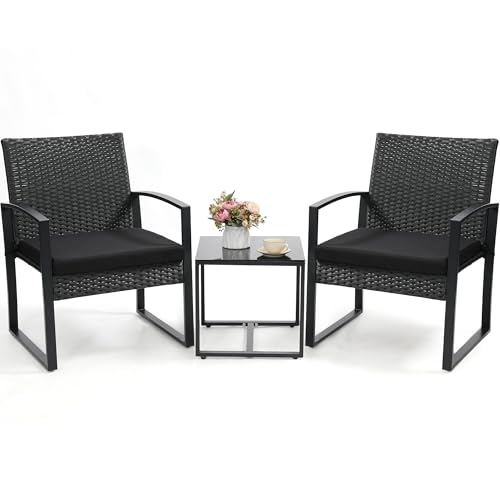

Understanding Outdoor Wicker: Resin vs. Natural
The term "wicker" actually refers to the weaving technique, not a specific material. This is a crucial distinction for buyers. The two primary types of wicker you will encounter are natural and synthetic (resin).
Natural Wicker (Rattan, Willow, Bamboo)
Natural wicker is crafted from plant materials like rattan, willow, bamboo, or reed. It offers an authentic, organic look that is hard to replicate. However, it requires significant maintenance. If left untreated, natural wicker can dry out, crack, and fade under UV light. It is also susceptible to mold and mildew in humid climates. While beautiful, it is best suited for covered porches or sunrooms. For a truly durable outdoor option, many homeowners prefer teak wood outdoor tables or rustic wood outdoor furniture over natural wicker for exposed areas.
Resin Wicker (Synthetic / All-Weather Wicker)
Resin wicker is made from high-density polyethylene (HDPE) or PVC. This is the gold standard for modern outdoor furniture. It is engineered to withstand rain, sun, and temperature fluctuations without fading, cracking, or peeling. High-quality resin wicker looks remarkably like natural rattan but offers superior durability. When searching for a set, look for "high-density polyethylene" or "HDPE" in the product description. This material is often paired with a sturdy aluminum frame, making it lightweight yet strong. If you are looking for heavy-duty options, you might also consider heavy-duty outdoor furniture designed for commercial use.
Key Factors to Consider Before Buying
Before you click "add to cart," consider these critical factors to ensure your new set fits your lifestyle and space.
1. Frame Construction
The frame is the skeleton of your wicker set. Aluminum is the most common and recommended frame material because it is rust-proof and lightweight. Steel frames are heavier and stronger but can rust if the powder coating is chipped. Always check the frame material. A good quality set will have a powder-coated aluminum frame. If you are considering other materials, you might compare them to wrought iron outdoor couches which are known for their heavy, classic feel.
2. Weave Density and Quality
Run your hand over the wicker. A high-quality set will have a tight, uniform weave without loose strands or gaps. The strands should be thick and flexible. A tight weave is not just about aesthetics; it prevents the material from snagging and provides better structural integrity. This is similar to how you would inspect woven outdoor dining chairs for quality craftsmanship.
3. Cushions and Comfort
Wicker furniture is notoriously firm. The cushions are what make it comfortable. Look for high-density foam (2.5 lbs/cubic foot or higher) wrapped in a water-resistant, UV-resistant fabric like Sunbrella or Olefin. Quick-dry foam is a bonus, as it allows water to drain quickly after a rainstorm. If you need to replace them later, you can find a wide variety of outdoor couch cushions to fit your set.
4. Set Configuration
Wicker sets come in many configurations. A 4-piece set typically includes a sofa, two chairs, and a coffee table. A 3-piece set is often a loveseat and two chairs, ideal for small spaces. If you love to entertain, consider a conversation set that includes multiple seating pieces. For dining, a 3-piece outdoor setting with a bistro table is perfect for morning coffee.
Styling Your Wicker Set
Wicker is incredibly versatile. Its neutral tones (brown, grey, white, black) serve as a perfect canvas for your personal style.
- Bohemian: Add colorful, patterned throw pillows and a textured outdoor rug. Consider a wicker outdoor coffee table to anchor the space.
- Modern: Choose a dark grey or black wicker set with clean lines and pair it with a sleek metal outdoor coffee table or a square outdoor coffee table.
- Coastal: A white wicker set is quintessential for coastal design. Pair it with blue and white striped cushions and a white round outdoor table.
For more inspiration on arranging your space, read our guide on outdoor furniture vignette ideas.
Care and Maintenance
While resin wicker is low-maintenance, it is not maintenance-free. To keep your set looking new, follow these simple steps:
- Cleaning: Hose it down with a garden hose. For deeper cleaning, use a soft brush and a mild soap solution. Avoid abrasive cleaners.
- Protection: During harsh winters or extended periods of non-use, cover your set with a furniture cover. This prevents dust and debris from settling into the weave.
- Anchoring: In windy areas, lightweight wicker furniture can blow over. Use our outdoor furniture wind anchoring guide to secure your pieces.
If you ever need to repair a minor issue, our DIY repair skill basics can help you tackle small problems before they become big ones.
Frequently Asked Questions
Is resin wicker better than natural wicker?
For outdoor use, resin wicker is generally the better choice due to its superior weather resistance. Natural wicker is best for covered areas.
How long does an outdoor wicker set last?
A high-quality resin wicker set on an aluminum frame can last 10 years or more with proper care. Natural wicker may only last 3-5 years if exposed to the elements.
Can I leave my wicker set outside in the rain?
Yes, resin wicker is designed to withstand rain. Ensure the cushions are quick-dry or bring them inside during heavy downpours to extend their life.
How do I clean my wicker set?
Use a mild soap and water solution with a soft brush. Rinse thoroughly with a hose.