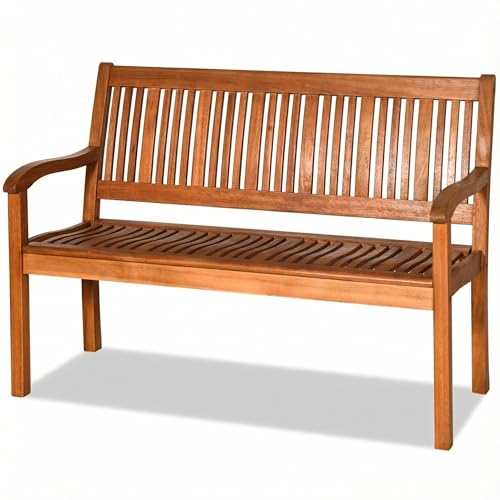
The Enduring Appeal of Wooden Garden Benches
A wooden bench is more than just a piece of furniture; it’s an invitation to slow down and enjoy your outdoor space. When you choose a model with a backrest, you're prioritizing comfort and ergonomic support, turning a simple seat into a destination for relaxation. This guide will walk you through the essential factors to consider, ensuring you invest in a piece that is both beautiful and built to last.
Choosing the Right Wood for Your Outdoor Bench
The type of wood is the single most important factor determining your bench's longevity and maintenance needs. Not all woods are created equal when it comes to resisting moisture, UV rays, and insects.
- Teak: The gold standard for outdoor furniture. Its natural oils make it incredibly resistant to rot, warping, and pests. It requires minimal maintenance and weathers to a beautiful silver-gray patina if left untreated. A teak end table often complements a teak bench perfectly.
- Acacia: A popular, more affordable hardwood. It is durable and water-resistant but may require more frequent sealing to maintain its rich color. It's a great choice for those seeking a balance between cost and quality.
- Eucalyptus: Another durable and sustainable hardwood. It is naturally resistant to rot and is a more budget-friendly alternative to teak, though it may need annual oiling.
- Cedar: Naturally resistant to rot and insects, cedar is lightweight and has a pleasant aroma. It’s a great option for a more rustic look.
- Pine & Fir: These softwoods are less expensive but are not naturally weather-resistant. They require frequent treatment and are best suited for covered porches or if you are willing to commit to regular maintenance.
Key Features to Look For in a Bench with a Back
Beyond the wood type, several design features will impact your comfort and the bench's overall feel.
- Backrest Angle & Height: A slight recline (around 10-15 degrees) is ideal for comfort. The backrest should be high enough to support your upper back but not so high that it blocks your view. A tall outdoor furniture piece like a high-backed bench can create a more private, cozy nook.
- Seat Depth: A seat depth of 17-20 inches is generally comfortable for most adults. A deeper seat might require cushions to be comfortable.
- Armrests: Armrests provide essential support when getting up and add to the overall comfort. They also help define your personal space on the bench.
- Slatted vs. Solid Design: Slatted backs and seats allow for water drainage and airflow, which helps prevent rot and keeps the bench cooler in the sun. A solid wood design can be more comfortable for some but requires more careful maintenance.
Styling and Placement for Your Outdoor Space
A wooden bench is a versatile design element. It can be the focal point of a garden, a quiet reading spot on a patio, or a welcoming seat by your front door.
To create a cohesive look, consider the surrounding elements. A bench can be paired with a round outdoor coffee table with storage to create a complete seating area. For a more intimate setting, a small black outdoor side table can hold a drink or a book. The finish of your bench—whether natural, painted, or stained—should complement your home's exterior and garden design. For a classic and warm look, a rustic outdoor bench can feel right at home among flower beds.
Placement is key. Position your bench to take advantage of a view, a shady spot under a tree, or the warmth of a fire pit. A bench with a back is also an excellent addition to a larger dining area, offering a comfortable alternative to traditional dining chairs. You can find it paired with a table with 6 chairs in many popular outdoor furniture sets.
Materials Matter: Fasteners, Glides, and Cushions
A high-quality wooden bench uses non-corrosive hardware. Look for stainless steel or galvanized bolts and screws, as they won't rust and stain the wood over time. The glides on the bottom of the bench's legs are also important; they protect your deck or patio surface from scratches. For a beautifully coordinated look, you can pair a wooden bench with other wooden furniture pieces, like a black wood outdoor table, to unify your space.
While wood is comfortable on its own, you can enhance it with cushions. A 48-inch outdoor bench cushion is a standard size for many two-seater benches. For a customized look, a round cushion for outdoor furniture can be used as an accent. Remember to store your cushions in a waterproof cushion storage box when not in use.
Care and Maintenance for Longevity
Even the most durable wood requires some care. Regularly cleaning your bench with mild soap and water will remove dirt and pollen. To maintain its color and protect it from the elements, apply a fresh coat of sealant or oil annually, preferably before the start of the rainy or winter season. This simple step can significantly extend the life of your bench, keeping it a beautiful part of your garden for years to come. For those who prefer a low-maintenance approach, there are many durable outdoor rocking chairs made from composite materials that mimic the look of wood without the upkeep.
If you love the look of wood but want to avoid the maintenance, a wooden outdoor glider offers the soothing motion of a glider with the classic beauty of wood.