


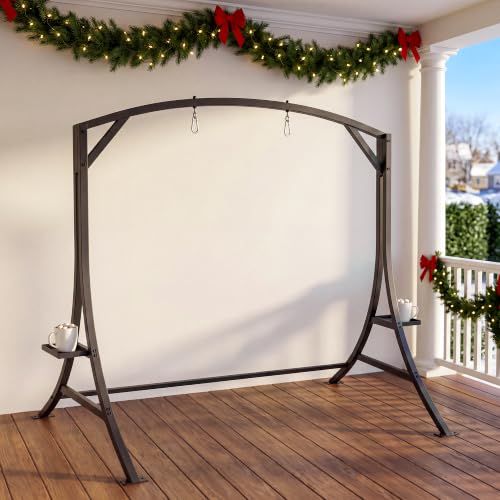


What Is a Porch Swing Stand and Why Do You Need One?
A porch swing stand is a freestanding frame designed to support a hanging swing without the need for permanent installation. Unlike traditional setups that require drilling into porch ceilings or beams, a stand provides a portable, versatile solution. This is particularly beneficial for renters, those with modern homes lacking exposed beams, or anyone who wants the flexibility to move their swing to different locations. A dedicated stand also ensures your swing is hung at the correct height and provides a stable, secure foundation that can be anchored for added safety.
Key Benefits of Using a Porch Swing Stand
- Versatility: Place your swing on a patio, deck, or lawn—no porch required.
- No Structural Damage: Avoid drilling holes in your home's exterior or ceiling.
- Portability: Easily move the stand to a different spot or store it seasonally.
- Correct Height: Stands are designed to hang swings at an optimal, comfortable height.
- Stability: A high-quality stand with proper anchoring is incredibly stable and safe.
Porch Swing Stand vs. Hanging Your Swing from a Beam
If you have a sturdy, exposed beam on your porch, hanging your swing directly can be a great option. However, it requires finding a stud, using heavy-duty hardware, and ensuring the beam can support the dynamic weight of a swinging person. A stand eliminates these concerns. It is a self-contained system. For those who love the look of a traditional bench but need the flexibility of a stand, exploring various outdoor benches can give you ideas for the type of swing you might pair with it. Ultimately, a stand offers a level of convenience and safety that direct hanging cannot always match.
Types of Porch Swing Stands: A-Frame, Pergola, and More
The two most common types of swing stands are the A-frame and the pergola (or "post" style).
- A-Frame Stands: These are the most popular and recognizable. They feature a triangular, "A" shaped side profile, which provides excellent stability and a wide base. They are typically made from wood or metal and can support significant weight. Their simple design fits well with many outdoor decors.
- Pergola Stands: These offer a more substantial, architectural look. They often resemble a small, open-air structure with two or four posts and a top beam. Some models include a canopy for shade. Pergola stands are often heavier and more permanent-feeling, making them a great focal point for a garden or large patio.
- Arc & Other Designs: Some stands feature a curved or "arc" design, which can be more decorative. Others may be designed specifically to hold two swings or a swing and a bench.
When choosing a style, consider the overall aesthetic of your outdoor space. A rustic wooden A-frame might be perfect for a country garden, while a sleek metal pergola could suit a modern patio. The right choice complements your existing furniture, such as a wooden bench or other seating.
Critical Factors for Choosing the Perfect Stand
1. Material Matters: Wood, Metal, or HDPE?
The material of your stand dictates its durability, maintenance, and appearance.
- Wood: The classic choice. Teak and cedar are naturally weather-resistant and beautiful, aging gracefully. Pine and fir are more affordable but require regular sealing or painting to prevent rot. Wooden stands blend seamlessly with natural surroundings and can be stained or painted to match your home.
- Metal: Steel and aluminum stands are known for their strength and low maintenance. Powder-coated steel is durable and rust-resistant, while aluminum is lightweight and won't rust. Metal stands often have a more modern or industrial look and are available in various colors.
- HDPE (High-Density Polyethylene): This recycled plastic material is incredibly durable, weatherproof, and requires zero maintenance. It won't rot, crack, or fade. HDPE stands are a great eco-friendly option and are available in a wide range of colors. You can see similar durability in HDPE outdoor sectionals.
Your choice of stand material should ideally complement the swing itself. For instance, a metal stand might pair well with a metal outdoor bench, while a wooden stand would look great with a wooden swing.
2. Weight Capacity: The Most Important Specification
This is non-negotiable. Always check the stand's weight capacity and ensure it exceeds the combined weight of the swing and the people who will use it. A standard swing can weigh 50-100 lbs. A single person can weigh 150-250 lbs. For a two-person swing, you should look for a stand with a capacity of at least 500-600 lbs, but a 700-800 lb capacity offers a greater safety margin. The dynamic load of swinging adds stress, so a higher capacity is always better. Sturdy furniture pieces like a large outdoor sectional furniture set also require a solid foundation, and the same principle applies here.
3. Dimensions and Space Planning
Before buying, measure your space carefully. You need to account for the stand's footprint (the width and depth of its base) as well as the swing's swinging arc. A general rule of thumb is to allow at least 2 feet of clearance on all sides of the swing's path. For an A-frame stand, the base is usually wider than the top. Ensure you have enough room for the stand to sit level and stable. If you're tight on space, you might need to consider a more compact design, similar to how you'd plan for a small balcony furniture guide.
4. Assembly and Installation
Most stands require assembly. Check customer reviews to see how difficult the assembly process is. Some brands offer tool-free assembly, while others may require basic tools. Once assembled, proper anchoring is crucial for safety, especially on windy days or if you have children. Many stands come with stakes for grass or are designed to be weighted down on hard surfaces. For more tips on securing your outdoor furniture, refer to our outdoor furniture wind anchoring guide.
5. Hardware and Hanging Kits
Most porch swing stands include the necessary chains or ropes and hardware to hang your swing. However, it's always wise to inspect the included hardware. Look for heavy-duty, rust-resistant chains and strong spring clips or carabiners. Some swings are sold separately and may not include the hanging kit. In that case, you'll need to purchase one. Always ensure the hardware's weight rating matches or exceeds the stand's capacity.
Frequently Asked Questions (FAQ)
Can I use any porch swing with a stand?
Most swings can be used with a stand, but you must check the swing's width and the stand's dimensions. The stand needs to be wider than the swing to allow for a full, unobstructed swinging motion. Also, ensure the stand's weight capacity is sufficient for the swing and its users.
Do I need to anchor my porch swing stand?
While not always strictly necessary, anchoring is highly recommended for safety. On a hard surface like a deck or patio, you can use weighted bags or anchor the stand to the deck itself. On grass, use ground stakes. This prevents tipping in high winds or during energetic swinging. For more details, see our guide on anchoring outdoor furniture.
How do I maintain a wooden porch swing stand?
Wooden stands, especially those made from pine or fir, need regular maintenance. You should clean them with a mild soap and water solution and apply a fresh coat of sealant or paint every 1-2 years, depending on your climate. For teak or cedar, an annual cleaning and occasional oiling are usually sufficient. This is similar to the care required for a wooden table and chairs set.
What is the best material for a porch swing stand?
The "best" material depends on your priorities. For low maintenance and modern style, metal is excellent. For a natural look and traditional charm, wood is ideal, with teak and cedar being the most durable. For ultimate weather resistance and zero maintenance, HDPE is the top choice.
How much should I expect to pay for a good porch swing stand?
Prices vary widely based on material, size, and brand. A basic metal A-frame stand can cost between $150 and $300. A high-quality wooden stand (like teak) can range from $300 to $800+. Large pergola-style stands can cost $800 or more. Investing in a higher-quality stand is investing in the safety and longevity of your entire swing setup.