


Why Choose PVC Pipe for Outdoor Furniture?
When you think of outdoor furniture, materials like teak, aluminum, and wicker often come to mind. However, a growing community of DIY enthusiasts and budget-conscious homeowners is turning to an unexpected champion: PVC pipe. The reasons are compelling. PVC is inherently waterproof, making it immune to the rot and decay that plagues wood. It won't rust like iron or steel, and it's resistant to insects and UV damage (though painting can add an extra layer of protection). Perhaps its greatest strength is its incredible versatility; with a few basic tools, you can cut, drill, and join PVC pipes to create almost any shape imaginable. This allows for a level of customization that is impossible with pre-manufactured sets. For those seeking a unique and personal touch, building custom furniture is a rewarding project. The modular nature of PVC means you can create anything from a simple, lightweight plastic outdoor coffee table to an elaborate, multi-seat sectional. The material's smooth surface is also easy to clean and can be painted to match any outdoor decor, giving you complete creative control over your patio's aesthetic.
The Essential Guide to Planning Your PVC Furniture Project
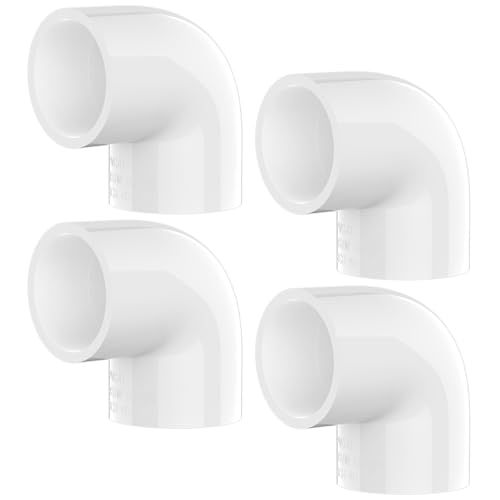
Before you head to the hardware store, careful planning is key to a successful project. First, decide on the type of furniture you want to build. Are you looking for a relaxing lounger, a sturdy dining set, or something more playful? Sketching your design and creating a cut list will save you time and money. Next, consider the type of PVC pipe. For structural furniture, you'll need rigid Schedule 40 PVC, not the thinner-walled Schedule 20 or flexible tubing. The standard diameter for furniture frames is 1.5 inches or 2 inches, while smaller 0.5-inch or 0.75-inch pipes are great for armrests or decorative elements. A crucial step for any piece that will bear weight is reinforcing the pipes. You can insert a wooden dowel or a metal conduit inside the PVC pipe before assembly to add significant strength and prevent flexing. Finally, think about how you will join the pieces. While a hammer and PVC cement create permanent, waterproof joints, using removable fittings (like tees, elbows, and crosses without glue) allows you to disassemble the furniture for storage or transport. This is an excellent feature for those who like to rearrange their space often.
Building Your Piece: From Frame to Finish
Once your plan is ready, the construction process is straightforward. Start by cutting all your pipes according to your cut list. A miter saw or a PVC pipe cutter will give you clean, square ends, which are essential for strong joints. It's wise to dry-fit the entire frame first to ensure everything aligns perfectly before applying any glue. This also helps you spot any design flaws early on. When you're ready to assemble, use a primer and PVC cement for a permanent bond. For a furniture piece, you'll want to build a sturdy base frame first, then add the seat, backrest, and armrests. After the frame is complete, you can move on to the finishing touches. Painting is highly recommended, not just for aesthetics but also for protection against UV rays, which can make unpainted PVC brittle over time. Use a spray paint specifically designed for plastics. For seating, you'll need to add cushions. This is where you can truly personalize the piece. You can use pre-made outdoor cushions from a store or create custom cushions that fit your unique design. Many DIYers also use webbing straps or a sling fabric for a more modern, low-maintenance look. The final result is a one-of-a-kind piece that you built yourself, perfectly tailored to your space and style.
The Bottom Line: Cost, Care, and Longevity
One of the most significant advantages of PVC furniture is its cost-effectiveness. A single 10-foot length of 2-inch PVC pipe costs around $10 to $15, and fittings are typically less than a dollar each. This means you can build a sturdy chair for under $50 or a full sofa for $100–$200, a fraction of the price of traditional outdoor furniture. When it comes to maintenance, PVC is incredibly low-maintenance. A simple wipe-down with a damp cloth and mild soap is usually all it takes to keep it clean. For a more thorough clean, you can use a mixture of water and white vinegar. If you painted your furniture, you may need to touch up the paint every few years, but the underlying PVC is virtually indestructible. While it may not have the classic, natural look of wood, its modern, sleek appearance is well-suited for contemporary outdoor spaces. With proper care, a well-built PVC furniture piece can last for many years, providing a durable and affordable seating solution for your patio, deck, or garden.