
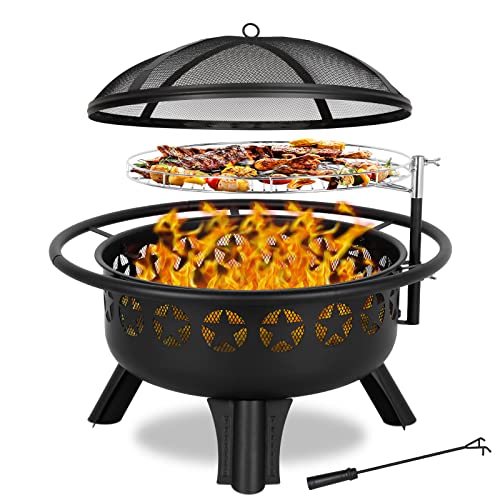


Why Choose a Wood-Burning Fire Pit Over Gas or Propane?
While propane fire tables offer convenience with push-button ignition, wood-burning models deliver an authentic experience that many homeowners cherish. The primary advantage is the multisensory appeal: the sound of crackling logs, the smell of natural wood smoke, and the radiant heat that penetrates deeply. Wood fire pits also provide superior heat output, making them ideal for cooler climates where you need substantial warmth. Furthermore, they offer unmatched versatility—you can burn different types of wood to achieve varying aromas and burn characteristics, and you're not dependent on fuel canisters or gas lines.
On the other hand, wood fire pits require more maintenance, including ash cleanup and periodic repainting. They also produce smoke, which can be a drawback for those with respiratory sensitivities or in densely populated neighborhoods with strict burning ordinances. If you prioritize convenience and cleaner burns, an outdoor gas fire pit table might be more suitable. But if you crave the primal, nostalgic experience of a real fire, wood is undeniably the way to go.
Key Factors to Consider Before Buying a Wood Fire Pit
1. Material and Construction Quality
The material of your wood fire pit determines its lifespan, heat resistance, and aesthetic appeal. Here's a breakdown of the most common options:
| Material | Pros | Cons | Price Range |
|---|---|---|---|
| Cast Iron | Extremely durable, retains heat exceptionally well, classic look | Very heavy, prone to rust if not seasoned, requires maintenance | $150–$600 |
| Powder-Coated Steel | Affordable, lightweight, rust-resistant if coated properly, modern designs | Can warp under extreme heat, coating may chip over time | $80–$350 |
| Stainless Steel | Highly rust-resistant, sleek appearance, durable | Expensive, can discolor from high heat | $200–$800 |
| Copper | Beautiful patina, excellent heat conductor, unique aesthetic | Very expensive, requires polishing, soft metal can dent | $400–$1,500+ |
| Stone or Concrete | Natural look, excellent heat retention, wind-resistant | Extremely heavy, can crack if not sealed, permanent placement | $300–$1,200 |
For most homeowners, powder-coated steel offers the best balance of affordability and durability. However, if you're looking for a permanent, high-end addition to your patio, cast iron or stone models are worth the investment. Always check that the fire bowl is made from thick-gauge metal (at least 1.5mm) to prevent burn-through over time.
2. Size and Shape
Wood fire pits come in various sizes, typically ranging from 24 to 40 inches in diameter. A smaller 24–30 inch pit is ideal for intimate gatherings of 2–4 people on a small patio or balcony. Larger 36–40 inch models can accommodate 6–8 people and serve as a dramatic focal point for spacious backyards. Consider the following:
- Round: The most traditional shape, promoting 360-degree viewing and even heat distribution. Perfect for conversational seating arrangements.
- Square or Rectangular: Offers a modern, structured look. Great for defining a specific area on a large patio and can double as a makeshift table when covered.
- Bowl vs. Table: A simple bowl is purely for fire, while a fire pit table features a surrounding ledge for drinks, plates, or decor. If you frequently entertain, a fireplace table or flame table adds functionality.
Before purchasing, measure your available space carefully. Ensure there's at least 3–4 feet of clearance on all sides for safety and seating. For small balconies, a small outdoor furniture set paired with a compact fire pit creates a cozy retreat without overcrowding.
3. Safety Features
Safety should never be compromised with an open flame. Look for these essential features:
- Spark Screen: A mesh cover that prevents embers from escaping and landing on nearby furniture or clothing. Most quality fire pits include one, but always verify.
- Poker and Tongs: Essential tools for safely adjusting logs and managing the fire without getting too close.
- Heat-Resistant Handles: Allows you to move the pit (once cooled) or adjust vents without burning your hands.
- Air Vents: Built-in vents improve airflow, resulting in a hotter, more efficient burn and less smoke.
- Stability: A wide, weighted base prevents tipping. Avoid lightweight models that can be knocked over by pets or strong winds.
4. Portability vs. Permanence
Do you plan to move your fire pit around or keep it in one spot? Portable models, often made of lighter steel, come with handles and are easy to relocate. They're perfect for renters or those who like to rearrange their outdoor space frequently. Permanent fire pits, such as heavy cast iron or stone structures, are meant to stay put. They often look more integrated into the landscape but require a dedicated spot. If you enjoy flexibility, consider a portable outdoor chair arrangement that can be adjusted around a movable fire pit.
5. Local Regulations and HOA Rules
Before you buy, check your city or county's open burning regulations. Some urban areas prohibit wood-burning fire pits entirely due to air quality concerns, while others allow them only during certain times of the year or with a permit. Homeowners associations (HOAs) may also have restrictions. If wood burning is not permitted, a outdoor electric fire table or propane model is a compliant alternative.
How to Get the Best Performance from Your Wood Fire Pit
Once you've chosen your fire pit, proper usage and maintenance will ensure it lasts for years and performs beautifully. Here are expert tips:
- Use Seasoned Hardwood: Oak, hickory, ash, and maple are ideal. They burn hot, last long, and produce less creosote. Avoid softwoods like pine, which pop and spark excessively, and never burn treated or painted wood, which releases toxic fumes.
- Build a Teepee or Log Cabin Fire: Start with tinder (dry leaves, newspaper), add kindling, then stack larger logs in a crisscross or teepee shape. This ensures good airflow and a quick, even burn.
- Don't Overload: Resist the urge to pile on too many logs. A fire that's too large can damage the pit's metal and create dangerous flare-ups. Keep flames moderate.
- Clean Ash Regularly: Once the fire is completely out and the pit is cool, remove ash. A buildup of ash can block airflow and cause rust. Dispose of ash in a metal container, never in a plastic trash bin.
- Protect from the Elements: Invest in a waterproof cover to protect your fire pit from rain and snow. If your pit is cast iron, season it periodically with a high-heat paint or oil to prevent rust.
For those who love the look of a fire pit but want to extend their outdoor living season, pairing it with a patio heater can create a warm, inviting environment even on chilly evenings.
Designing Your Fire Pit Area: Furniture and Layout Ideas
A wood fire pit is more than a functional item—it's a design anchor. To create a cohesive and comfortable gathering space, consider the following furniture pairings:
- Conversation Sets: Arrange a conversation set or a 4-piece outdoor furniture set in a circular or U-shape around the pit. This encourages interaction and ensures everyone can feel the warmth.
- Deep Seating: For maximum comfort, opt for deep seating outdoor furniture with plush cushions. Add water-resistant outdoor cushions to protect against spills and dew.
- Swivel Chairs: Outdoor swivel chairs allow guests to easily turn toward the fire or engage in conversation, adding a dynamic element to your layout.
- Accent Tables: Place a weatherproof outdoor side table between chairs for drinks and snacks. If space allows, a teak outdoor coffee table can anchor the center of the arrangement (just ensure it's a safe distance from the flames).
- Ambiance: Hang outdoor string lights overhead or place outdoor lanterns around the perimeter to enhance the cozy atmosphere without competing with the fire's glow.
For smaller spaces, such as a balcony, a 3-piece outdoor furniture set or a outdoor table and 2 chairs can create an intimate nook. If you have a porch, a outdoor porch bench positioned near the fire pit offers additional seating and a charming rustic touch.
Maintenance Checklist for Long-Lasting Wood Fire Pits
To keep your wood fire pit in top condition, follow this simple maintenance routine:
| Frequency | Task |
|---|---|
| After Every Use | Allow ashes to cool completely, then dispose of them properly. Wipe down the exterior with a dry cloth. |
| Monthly | Inspect for rust or paint chipping. Touch up with high-heat paint if needed. Check for loose hardware. |
| Seasonally | Deep clean the fire bowl. For cast iron, re-season with oil. Apply a protective cover during off-season. |
| Annually | Check the structural integrity of legs and welds. Replace spark screen if torn. Consider professional servicing for stubborn rust. |
By investing a little time in maintenance, your wood outdoor fire pit will remain a safe and beautiful centerpiece for countless gatherings. Remember, a well-cared-for fire pit not only looks better but also operates more efficiently and safely.
Final Thoughts: Is a Wood Outdoor Fire Pit Right for You?
A wood outdoor fire pit is an investment in experiences—the laughter of friends, the warmth on a cool night, the simple pleasure of staring into dancing flames. It's perfect for those who value authenticity and are willing to put in a bit of effort for the reward. If you have the space, the local regulations allow it, and you're ready to embrace the ritual of building a fire, a wood-burning pit will quickly become the most loved feature of your outdoor space.
For those who prefer a more hands-off approach, explore our guides on propane fire tables and electric fire tables. And no matter which type you choose, complete your outdoor oasis with comfortable seating, ambient lighting, and durable accessories from our curated recommendations above. Your perfect evening awaits.