


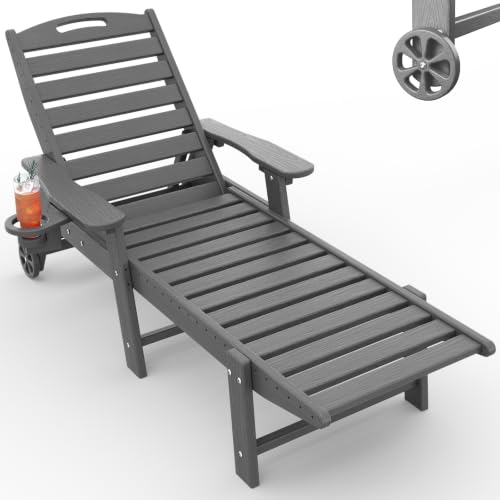


Why Choose a Chaise Lounge with Wheels?
The primary advantage is, of course, mobility. Unlike stationary loungers, a wheeled outdoor chaise lounge allows you to effortlessly reconfigure your outdoor space. You can chase the sun throughout the day, move your lounge into the shade for reading, or clear the deck for a party without heavy lifting. This is especially valuable for those with large yards, pool decks, or multi-level patios. For a more stationary but equally comfortable option, you might consider a traditional metal outdoor chaise lounge, but the convenience of wheels is hard to beat.
Key Features to Consider in a Wheeled Chaise Lounge
Before you buy, understand the components that define quality and usability.
1. Wheel Type and Placement
Not all wheels are created equal. The size and material of the wheels dictate how well the lounge moves over different surfaces.
- Small, Hard Plastic Wheels: Best for smooth, hard surfaces like concrete or wooden decks. They can get stuck on grass or gravel.
- Large, Rubberized Wheels: Ideal for all-terrain use, including grass, dirt, and uneven patio stones. They provide a smoother roll and are more durable.
- Placement: Most wheeled loungers have two wheels at the foot end and two legs at the head. This design allows you to lift the head end and easily roll the lounge like a wheelbarrow.
2. Frame Material and Durability
The frame must be sturdy enough to support weight without flexing, yet light enough to be mobile. The material also determines its weather resistance.
- Aluminum: The most popular choice for wheeled loungers. It's lightweight, rust-proof, and easy to move. Look for powder-coated aluminum for extra protection against scratches and fading. A modern metal outdoor furniture piece often uses this material.
- Steel: Heavier and stronger than aluminum, but prone to rust if the finish is compromised. Best for permanent setups on covered patios.
- Teak or Other Hardwoods: Offers timeless beauty and natural durability. However, wooden loungers with wheels are typically heavier. You can find beautiful teak outdoor lounge chairs that are built to last for decades.
- Resin/Wicker: A plastic outdoor furniture or resin wicker chaise is very lightweight and weather-resistant, making it a great budget-friendly option for a portable lounge chair outdoor setting.
3. Adjustability and Comfort
The best chaise lounges offer multiple recline positions, from upright for reading to completely flat for sunbathing. Check the adjustment mechanism—a gear system is more durable and easier to use than a simple notch-and-pin design. Also, consider the cushioning. While some loungers are designed to be used with separate cushions, others have integrated padding. For added comfort, you may want to invest in outdoor furniture seat cushions that are specifically designed for outdoor use.
4. Weight Capacity and Dimensions
Always check the manufacturer's weight capacity to ensure the lounge can safely support you. Standard models typically support 250-300 lbs, while heavy-duty options can hold 350 lbs or more. When it comes to size, ensure the lounge is long enough for you to stretch out fully. If you have a smaller space, a small outdoor lounge chair might be a better fit, though these are less common with wheels. A outdoor lounger with canopy is another great feature to look for if you need built-in shade.
Making the Right Choice for Your Space
Think about where you will use your chaise lounge most. If it's for a poolside area with a smooth concrete surface, a model with smaller wheels is perfectly adequate. If your patio is surrounded by grass or gravel, invest in a model with large, all-terrain wheels. Consider the overall style of your outdoor space. A sleek, modern aluminum lounger might be perfect for a contemporary deck, while a classic teak model would suit a more traditional garden. For those who need flexible seating for guests, a outdoor folding chaise lounge is a fantastic space-saving alternative.
Maintenance Tips for Your Wheeled Chaise Lounge
To keep your investment in top condition, regular maintenance is key. Clean the frame with mild soap and water, and rinse thoroughly. Pay special attention to the wheels, removing any tangled grass or debris that could impede their movement. For metal frames, especially steel, touch up any chips or scratches in the paint to prevent rust. If you have a wooden lounger, applying a sealant annually will protect it from moisture and UV damage. During off-season or harsh weather, store your chaise lounge in a shed or garage, or use a high-quality furniture cover to protect it.
With the right choice and a little care, a wheeled chaise lounge will provide you with years of comfortable, flexible relaxation. Take your time, review the features, and get ready to enjoy your ultimate outdoor oasis.