




Why Proper Cushion Storage Is Essential
Outdoor cushions face a relentless assault from the elements. Sun exposure fades fabrics, rain and humidity breed mold and mildew, and dust and pollen embed deep into fibers. Even the most weather-resistant cushions benefit from proper storage when not in use. If you've invested in quality outdoor seat cushions or outdoor couch cushions, protecting them should be a priority.
Beyond preservation, storage keeps your patio tidy and ready for entertaining. Instead of hauling cushions in and out of the house every time, a dedicated outdoor storage solution makes it effortless to protect your cushions while keeping them accessible. This is especially important if you own outdoor furniture without cushions and rely on separate cushions for comfort.
Common Threats to Outdoor Cushions
- Moisture and Humidity: The primary cause of mold, mildew, and musty odors. Even "water-resistant" fabrics can succumb over time.
- UV Radiation: Sunlight fades colors and weakens fabric fibers, leading to premature deterioration.
- Dirt, Dust, and Pollen: These particles embed in fabric and are difficult to remove once set in.
- Pests: Insects, rodents, and even birds may nest in or damage cushions left exposed.
- Temperature Fluctuations: Freezing and thawing can cause cracking in foam and fabric.
💡 Pro Tip
Even if you use cheap outdoor cushions, proper storage can double or triple their lifespan. The cost of a storage box is minimal compared to frequent cushion replacement.
Types of Outdoor Cushion Storage Solutions
There is no one-size-fits-all storage solution. Your choice depends on your available space, budget, climate, and the number of cushions you need to store. Below, we break down the most popular and effective options.
1. Deck Boxes and Storage Benches
Deck boxes are the most popular outdoor cushion storage solution. They are essentially large, weather-resistant containers that double as seating or side tables. A deck box is ideal for storing multiple cushions, pool toys, and other outdoor accessories. A storage bench offers the same functionality but with a more furniture-like appearance, often featuring a backrest and armrests.
- Pros: Weather-resistant, doubles as furniture, available in many sizes and styles, easy to access.
- Cons: Can be bulky, cheaper models may not be fully waterproof, limited capacity for large cushions.
- Best For: Patios, decks, and poolside areas where space allows and aesthetics matter.
2. Resin Storage Boxes
For a budget-friendly, highly durable option, consider an outdoor resin storage box. These are typically made from heavy-duty plastic and are designed to be fully weatherproof. They are lightweight, easy to move, and resistant to rust, dents, and fading.
- Pros: Affordable, lightweight, fully waterproof, low maintenance.
- Cons: Less aesthetically pleasing than wood or wicker, can become brittle in extreme cold.
- Best For: Budget-conscious buyers, renters, and areas with harsh weather.
3. Storage Bags and Covers
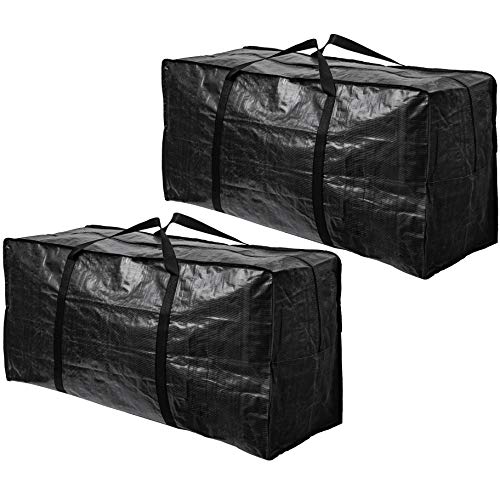
If you're short on space or have limited cushions, a storage bag or cover may suffice. These are typically made from heavy-duty, water-resistant fabric and are designed to fit specific cushion sizes or entire furniture pieces. A furniture cover is essential for protecting entire sets when not in use.
- Pros: Very affordable, compact when not in use, easy to store.
- Cons: Less durable than rigid boxes, can be difficult to fit large or irregular cushions, may not be fully waterproof.
- Best For: Small spaces, balconies, and temporary storage.
4. Indoor Storage (Garage, Basement, Spare Room)
If you have indoor space, moving cushions indoors during off-season or severe weather is the best way to protect them. This is especially recommended for outdoor lounge chair cushions and other high-value cushions.
- Pros: Maximum protection from all elements, no cost if space is available.
- Cons: Requires indoor space, inconvenient for frequent use.
- Best For: Off-season storage, extreme climates, and high-end cushions.
How to Choose the Right Storage Solution
Before purchasing a storage solution, consider the following factors to ensure you make the right choice.
Capacity and Size
Measure your cushions and determine how many you need to store. A standard set of 4 outdoor chair cushions may fit in a medium deck box, while deep seat outdoor seat cushions require a larger box. Always check the internal dimensions of the storage box, not just the external dimensions.
Weather Resistance
Look for storage solutions that are explicitly described as waterproof or weatherproof. Features to look for include:
- Sealed lids or gaskets: Prevent water from seeping in.
- UV-resistant materials: Prevent fading and cracking.
- Elevated bases: Keep the box off the ground to prevent water absorption.
- Ventilation: Some boxes have vents to prevent condensation buildup.
Material and Durability
Common materials include resin, wood (cedar, teak), metal (aluminum, steel), and wicker. Resin is the most weather-resistant, while wood offers the best aesthetics. A teak outdoor coffee table with storage is a luxurious option. For a more rustic look, consider pallet outdoor furniture with built-in storage.
Style and Aesthetics
Your storage solution should complement your outdoor decor. If you have a black outdoor wicker sofa or an outdoor wicker set, a wicker storage box would blend seamlessly. For modern spaces, a sleek resin box or a white outdoor side table with storage works well.
Budget
Prices for outdoor cushion storage range from $50 for a basic storage bag to $800+ for a large, high-end deck box. A quality resin storage box typically costs between $100 and $300, while a wooden storage bench can range from $200 to $600. For a premium option, a custom-built storage solution can exceed $1,000.
| Storage Type | Price Range | Weather Resistance | Capacity | Best For |
|---|---|---|---|---|
| Storage Bags/Covers | $20–$80 | Moderate | Small | Small spaces, temporary use |
| Resin Storage Box | $100–$300 | High | Medium | Budget buyers, harsh weather |
| Deck Box (Wood/Resin) | $150–$500 | High | Medium–Large | Patios, decks, dual-purpose |
| Storage Bench | $200–$600 | High | Medium–Large | Aesthetics, seating + storage |
| Indoor Storage | $0 (if space available) | Maximum | Unlimited | Off-season, extreme climates |
Best Practices for Storing Outdoor Cushions
Even the best storage box won't protect your cushions if you don't follow proper storage techniques. Here are expert tips to ensure your cushions stay in top condition.
1. Clean and Dry Cushions Before Storing
Never store dirty or damp cushions. Dirt can attract pests and moisture can lead to mold. Before storing, brush off loose debris, spot-clean stains, and allow cushions to dry completely in the sun. If you have outdoor replacement cushions, follow the manufacturer's cleaning instructions.
2. Use Desiccants and Moisture Absorbers
Place silica gel packets or moisture-absorbing products inside the storage box to combat humidity. This is especially important in humid climates. Recharge or replace desiccants regularly.
3. Elevate Cushions Off the Ground
If storing cushions in a box, place them on a raised platform or shelf to prevent contact with the bottom, where moisture can accumulate. Some deck boxes come with built-in shelves or dividers.
4. Avoid Overcrowding
Stuffing too many cushions into a box can crush foam and prevent air circulation. Allow some space for air to move around the cushions.
5. Rotate and Inspect Regularly
Check stored cushions every few weeks for signs of moisture, mold, or pests. Rotate them if possible to prevent flat spots and ensure even wear.
💡 Pro Tip
For outdoor wicker chair cushions and other cushions with ties, fasten the ties together before storing to prevent tangling and damage.
6. Consider Vacuum Storage Bags
For long-term storage, vacuum-seal bags can significantly reduce the space cushions occupy and provide an airtight barrier against moisture, pests, and dust. However, be cautious with foam cushions, as vacuum sealing can permanently compress them.
Storage Solutions by Cushion Type
Different cushions have different storage needs. Here's how to store specific types.
Outdoor Dining Chair Cushions
Outdoor dining chair cushions are typically smaller and thinner, making them easy to stack and store. A small deck box or storage bag works well. If you have a dining set for 6, you'll need a larger box to store all six cushions.
Outdoor Lounge Chair Cushions
Outdoor lounge chair cushions are larger and bulkier. A large deck box or storage bench is ideal. If you have a zero gravity outdoor chair, consider a dedicated cover or bag for its cushion.
Outdoor Sofa and Sectional Cushions
Cushions for outdoor corner sofas and sectionals are the largest and heaviest. These often require a very large deck box or indoor storage. Some outdoor furniture conversation sets come with built-in storage under the seats.
Specialty Cushions
For outdoor papasan cushions, outdoor swing cushions, or outdoor bean bag loungers, look for storage solutions specifically designed for their unique shapes, or use large, heavy-duty storage bags.
DIY Outdoor Cushion Storage Ideas
If you're handy or on a tight budget, consider these DIY storage solutions.
Upcycled Pallet Storage Box
Build a custom storage box from pallet outdoor furniture materials. Sand and seal the wood for weather resistance. This is a cost-effective and eco-friendly option.
Storage Under Furniture
Some conversation sets and outdoor sectionals with dining tables have built-in storage compartments. If yours doesn't, consider adding a C-table with a storage basket underneath.
Garage Wall Storage
Install heavy-duty hooks or shelves in your garage to hang or stack cushions. This keeps them off the floor and away from pests. Use breathable covers to protect from dust.
Maintaining Your Storage Solution
Your storage box or bag also needs care to function properly.
- Clean Regularly: Wipe down the interior and exterior of storage boxes with a mild soap solution. Rinse and dry thoroughly.
- Check Seals and Gaskets: Inspect seals for cracks or wear and replace as needed.
- Lubricate Hinges and Latches: Use a silicone-based lubricant to keep moving parts functioning smoothly.
- Ensure Proper Drainage: If your storage box has drainage holes, keep them clear of debris.
- Store in a Shaded Area: If possible, place storage boxes in a shaded area to reduce UV exposure and heat buildup.
Frequently Asked Questions
Yes, but choose a bin specifically designed for outdoor use. Regular plastic bins can become brittle in cold weather and may not be UV-resistant. Ensure the bin has a secure lid and consider adding desiccant packets to control moisture. For best results, use a dedicated outdoor resin storage box.
Prevention starts with ensuring cushions are completely dry before storing. Use moisture absorbers like silica gel, ensure the storage container is well-ventilated or sealed, and inspect regularly. If mold does appear, clean with a diluted bleach solution or a specialized outdoor fabric cleaner.
Resin is the most weather-resistant and low-maintenance. Wood (cedar, teak) offers the best aesthetics but requires more upkeep. Metal (aluminum, steel) is durable but can rust if not properly coated. Your choice depends on your climate, budget, and style preferences.
With proper care and storage, high-quality outdoor cushions can last 5–10 years. Cheaper cushions may need replacement every 2–3 years. If you notice persistent mold, fading, or flattened foam, it's time to consider outdoor replacement cushions.
It's not recommended. Freezing temperatures can crack foam and fabric, and moisture can lead to mold. If you must leave them outside, use a waterproof storage box and add extra moisture absorbers. For long-term winter storage, move cushions indoors.
Final Thoughts
Investing in proper outdoor cushion storage is one of the smartest decisions you can make for your patio or garden. It protects your investment, keeps your outdoor space organized, and ensures your cushions are always ready for relaxation. Whether you choose a simple storage bag or a large deck box, the key is to be consistent with your storage routine.
Remember to clean and dry cushions before storing, use moisture absorbers, and inspect regularly. With the right approach, your outdoor cushions will remain comfortable and beautiful for years to come. And when it's time to refresh your space, explore our guides on outdoor seat cushions and outdoor couch cushions to find the perfect replacements.