
Outdoor Umbrella Stand Base: The Ultimate Stability Guide
Don't let a gust of wind ruin your patio setup. Discover how to choose the right base for your umbrella—from weight requirements to freestanding designs—ensuring safety and style for your outdoor space.
Why the Base Matters Most: You've chosen the perfect large outdoor umbrella with stand, but the base is what keeps it grounded. An inadequate base is the #1 cause of umbrella failure and patio damage. This guide will walk you through everything you need to know to make a safe and informed purchase.
Understanding Weight & Stability Requirements
The single most important factor in choosing an umbrella base is weight. A base that is too light will allow your umbrella to tip over in the slightest breeze, creating a safety hazard and potentially damaging your furniture or home. The required weight depends on two main factors: the canopy size and the wind conditions in your area.
As a general rule, the base should weigh at least 50 pounds for a 6-foot umbrella, and go up from there. For a 9-foot umbrella, you should look for a base in the 100-150 pound range. If you live in a windy area, or if your umbrella will be placed on a deck or patio where it cannot be anchored to the ground, you should always err on the side of a heavier base.
| Umbrella Canopy Size | Minimum Base Weight (Calm Area) | Recommended Base Weight (Windy Area) |
|---|---|---|
| 6 ft – 7 ft | 50 lbs | 75+ lbs |
| 8 ft – 9 ft | 100 lbs | 150+ lbs |
| 10 ft – 11 ft | 150 lbs | 200+ lbs |
| 12 ft + | 200+ lbs | 250+ lbs |
If you need a massive, immovable base, a heavy outdoor umbrella stand or a outdoor umbrella with heavy base is your best bet. These are often sold as complete sets and are designed for maximum stability.
Types of Outdoor Umbrella Stand Bases
Not all bases are created equal. The right type for you depends on your patio layout, whether you have a table, and if you need portability.
1. Standard Plate Bases
This is the most common type. It's a flat, heavy plate (often made of concrete, granite, or resin) that the umbrella pole sits on top of, secured by a tightening knob. They are simple, effective, and generally the most affordable. However, they can be a tripping hazard if not placed correctly under a table. For a classic look, a standard outdoor umbrella stand base in a neutral color works well with almost any decor.
2. Cross-Plate Bases
Instead of a single heavy plate, these bases use four legs (or "arms") in a cross shape. The umbrella pole goes through the center, and the weight is distributed across the arms. These are often used with dining tables, as the legs can slide under the table legs. While they offer good stability, they can be a bit more wobbly than a solid plate base. They are a great choice for a small outdoor umbrella base setup where space is tight.
3. Freestanding and Cantilever Bases
If your umbrella doesn't go through a table, you'll need a freestanding base. These are typically heavy, square or round plates that sit on the ground. For cantilever umbrellas (the ones with an offset arm), you need an even heavier base, often one that can be filled with water or sand for extra weight. A freestanding outdoor umbrella stand is the most flexible option, allowing you to position shade exactly where you need it. For those who want an all-in-one solution, consider an outdoor umbrella stand table, which combines the base with a small side table.
4. Weighted and Fillable Bases
These bases are hollow and designed to be filled with water, sand, or even gravel. They are a fantastic option because you can empty them for easy storage or moving, then fill them up for maximum stability when in use. A weighted outdoor umbrella or a outdoor umbrella with weighted base is a smart choice for those who need flexibility. Just remember that water weighs about 8 lbs per gallon, and sand is much heavier, so a fillable base can become extremely heavy. This is a great way to achieve the heft of a heavy outdoor umbrella stand without the permanent weight.
Recommended Outdoor Umbrella Stand Bases
⚠️ AFFILIATE DISCLOSURE: This website contains affiliate links. As an affiliate Associate, we earn from qualifying purchases. If you make a purchase through these links, we may receive a small commission at no additional cost to you. Read our full affiliate policy.

US Weight 40lb Outdoor Umbrella Base - Use with Patio Table - Black
Check price on Amazon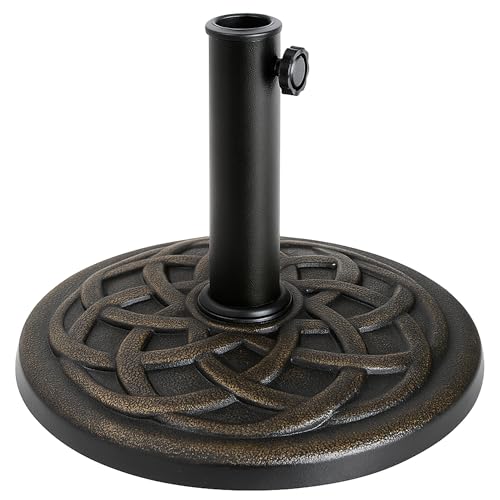
BACKYARD EXPRESSIONS PATIO · HOME · GARDEN 911554 21 Pound Umbrella Base, Bronze
Check price on Amazon
JEAREY 81.5lb Max Capacity Outdoor Patio Umbrella Base, Black
Check price on Amazon
Best Choice Products 123lb Capacity Fillable Mobile Umbrella Base Heavy Duty Market Stand for Patio, Deck, Poolside w/ 4 Wheels, 2 Locks, 2 Knobs, Wind-Resistant Design - Black
Check price on Amazon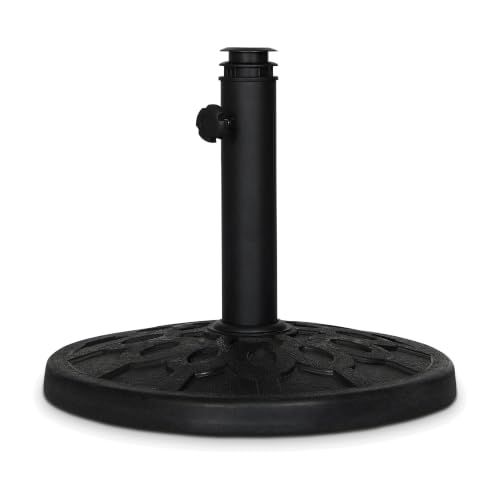
Backyard Expressions 20 lb Round Patio Umbrella Base – Heavy Duty Resin-Coated Calcium Carbonate Stand with Adjustable Pole Adapters Fits 1.5"–2" Poles, Weather-Resistant, Black Finish
Check price on Amazon
US Weight Durable Fillable Umbrella Base Designed to be Used with a Patio Table (Black)
Check price on Amazon
US Weight Durable Fillable Umbrella Base Designed to be Used with a Patio Table 3.5 pounds , Bronze
Check price on Amazon
Blissun 22 lbs Heavy Duty Patio Market Umbrella Base Stand
Check price on AmazonKey Features to Look For in a Base
Beyond weight, several other features can make a big difference in usability and safety.
Essential Features Checklist
- Material: Look for bases made of concrete, granite, or heavy-duty resin. These are durable and weather-resistant. Avoid plastic bases that can become brittle in the sun.
- Pole Compatibility: Ensure the base's pole diameter matches your umbrella's pole. Most bases come with adapters to fit different pole sizes (e.g., 1.5", 1.75", 2").
- Locking Mechanism: A good base will have a sturdy knob or lever to tighten the pole securely. A loose pole is a wobbly umbrella.
- Mobility: If you need to move your umbrella frequently, look for a base with built-in wheels or handles. An outdoor umbrella stand with wheels is a game-changer for flexibility, and an outdoor umbrella with rolling base offers ultimate convenience.
- Aesthetics: Bases come in many finishes, from sleek black to natural stone. Choose one that complements your black outdoor umbrella or other patio furniture.
For those who want a truly integrated look, an outdoor side table umbrella stand is a brilliant space-saving solution. It serves as both a sturdy base and a convenient spot for drinks or a book. If you have a larger space, a large outdoor umbrella with base is often sold as a set, ensuring perfect compatibility. For a more temporary or portable solution, you might consider a small outdoor umbrella stand or a outdoor parasol stand, which are lighter and easier to move.
Installation & Safety Tips
Proper installation is just as important as choosing the right base. Follow these tips to ensure your umbrella stays put.
- Use a Table for Added Support: If you have a patio table, using a base under the table (like a cross-plate or a low-profile plate) is often the most secure method. The table itself adds weight and stability. An outdoor table and chairs with cushions setup often includes a hole for an umbrella, making it the ideal anchor point.
- Anchor When Possible: If your base has holes for bolts or stakes, use them, especially on a wooden deck or in a lawn area. This is the most secure method.
- Consider Wind: Always close your umbrella when not in use, especially if you're expecting wind or a storm. No base is completely windproof.
- Check the Fit: Make sure the umbrella pole is fully inserted into the base and the tightening knob is securely fastened. A loose pole can cause the umbrella to sway and eventually fail.
- Placement Matters: Place the base on a level surface. An uneven surface can make even a heavy base unstable. If you're using a freestanding base, consider placing it on a stable, non-slip surface.
For a cohesive outdoor living space, pairing your umbrella with the right furniture is key. Whether you have a teak outdoor sectional sofa or a modern black outdoor furniture set, a sturdy umbrella base ensures your shade is as reliable as your seating. If you're looking for a complete solution, exploring places to buy outdoor furniture that also offer umbrella bases can save you time and ensure compatibility.
Frequently Asked Questions
How much weight do I need for a 9-foot umbrella?
For a 9-foot umbrella, you should aim for a base that weighs at least 100 lbs in calm conditions. If you live in a moderately windy area, 150 lbs or more is strongly recommended for safety.
Can I use a water-filled base instead of a concrete one?
Yes, water-filled bases are a great alternative. They are lightweight when empty for easy transport and storage, and they can be filled with water (or sand for even more weight) to provide stability. Just be sure to fill them completely and check the weight capacity.
What is the most stable type of umbrella base?
The most stable type is generally a heavy, solid plate base (like granite or concrete) that is either bolted to the ground or used in conjunction with a heavy table. Freestanding bases with a wide footprint and significant weight are also very stable.
Do I need a special base for a cantilever umbrella?
Yes, cantilever umbrellas require a specifically designed base, as the weight is offset. These bases are typically much heavier and often have a wider footprint or are designed to be filled with sand or water for maximum stability.