
Stone Bench Outdoor: The Complete Buying Guide
Discover why a stone bench is the ultimate investment for your garden, patio, or landscape. Learn about materials, styles, placement, and care to choose the perfect durable outdoor seating.
START YOUR RESEARCHWhy Choose a Stone Bench? A stone bench outdoor offers unmatched durability, timeless aesthetic appeal, and low maintenance. Unlike wood or metal, stone benches withstand extreme weather, resist pests, and can last for generations. Whether you prefer the rustic charm of natural stone or the sleek look of polished concrete, a stone bench is a permanent, beautiful addition to any outdoor space.
Why a Stone Bench is a Smart Outdoor Investment
When you're designing an outdoor living space, seating is one of the most important considerations. While wood, metal, and wicker have their place, a stone bench outdoor stands in a category of its own. It is not just furniture; it is a landscape feature. A stone bench anchors a garden, provides a peaceful resting spot, and adds architectural interest that man-made materials often fail to replicate.
Homeowners and landscape designers increasingly turn to stone benches for their permanence and natural beauty. If you are looking for a bench that will not blow away in a storm, fade in the sun, or rot in the rain, stone is the answer. For those who appreciate the look of natural materials, a stone bench pairs beautifully with other organic elements like a bamboo outdoor furniture set or a wooden table and chairs.
Types of Stone for Outdoor Benches
Not all stone benches are created equal. The material you choose affects the bench's weight, durability, appearance, and price. Here is a breakdown of the most common stone types used for outdoor benches.
1. Natural Stone (Granite, Marble, Limestone, Sandstone)
Natural stone benches are cut from solid rock. They are extremely heavy, incredibly durable, and each piece is unique. Granite is the hardest and most stain-resistant, making it ideal for high-traffic areas. Marble is elegant but can be slippery when wet and may stain. Limestone and sandstone offer a softer, more rustic look and are often more affordable than granite or marble. A natural stone bench is a permanent installation and often requires professional delivery and placement.
2. Cast Stone (Reconstituted Stone)
Cast stone is a highly refined concrete product designed to mimic natural stone. It is created by mixing cement, aggregates, and pigments, then pouring the mixture into molds. Cast stone benches are more affordable than natural stone, come in a variety of colors and textures, and are still very durable. They are a popular choice for those who want the look of stone without the high cost and extreme weight.
3. Concrete
Concrete benches are the most budget-friendly option. They are sturdy, weather-resistant, and can be cast in almost any shape or color. Modern concrete benches can be polished or textured to look surprisingly elegant. However, basic concrete can crack over time, especially in freeze-thaw climates, so quality matters. If you are looking for a modern, minimalist aesthetic, a concrete bench is an excellent choice. You can also explore other concrete outdoor furniture to create a cohesive look.
| Stone Type | Durability | Weight | Maintenance | Price Range |
|---|---|---|---|---|
| Granite | Excellent | Very Heavy | Very Low | $800–$2,500 |
| Marble | Very Good | Heavy | Low | $700–$2,000 |
| Limestone/Sandstone | Good | Heavy | Low | $400–$1,200 |
| Cast Stone | Very Good | Moderate | Low | $300–$900 |
| Concrete | Good | Moderate to Heavy | Low | $150–$600 |
Key Factors to Consider Before Buying a Stone Bench
Before you purchase a stone bench, consider these critical factors to ensure you make the right choice for your space and needs.
Size and Seating Capacity
Stone benches come in various sizes, from small two-seaters to long benches that can accommodate four or more people. Measure your intended space carefully. A bench that is too large will overwhelm a small patio, while one that is too small will look lost in a large garden. For smaller spaces, consider a small outdoor couch alternative like a compact stone bench. If you need more seating, a corner bench can maximize your space efficiently.
Placement and Purpose
Where will the bench go? A stone bench in a garden often serves as a focal point or a resting place along a path. On a patio, it might be used for additional seating around a fire pit or as a standalone piece. If you plan to place it near a pool, consider a pool chair or a bench made from slip-resistant stone. For windy areas, a heavy stone bench is an excellent choice, as it will not tip over. In fact, a stone bench is one of the best heavy outdoor furniture for windy areas.
Style and Aesthetic
Stone benches range from rustic and organic to sleek and modern. A rough-hewn natural stone bench fits perfectly in a woodland garden, while a polished granite or concrete bench complements a contemporary patio. Consider the existing style of your outdoor space. If you have a modern outdoor design, a minimalist concrete bench is ideal. For a more traditional or rustic look, a natural stone bench with visible texture is a better fit. You can also pair a stone bench with a farmhouse table for a cohesive, earthy dining area.
Comfort and Ergonomics
Stone benches are not known for being plush, but comfort is still important. Look for a bench with a slightly contoured seat or consider adding outdoor cushions. A bench with a backrest offers more support than a backless design. If comfort is a top priority, you might also consider a curved outdoor seating option, which can be more ergonomic. However, for many, the simple, upright posture of a stone bench is part of its charm, encouraging you to sit and appreciate the view.
Budget and Value
Stone benches range from around $150 for a basic concrete model to $2,500 or more for a large, custom-cut granite piece. While the upfront cost can be higher than other materials, the longevity of a stone bench makes it a smart long-term investment. You will never need to replace it due to weather damage. If you are budget-conscious, a cast stone or concrete bench offers the best value. You can also explore second-hand outdoor furniture options to find a quality stone bench at a lower price.
Recommended Stone Benches & Outdoor Seating
⚠️ AFFILIATE DISCLOSURE: This website contains affiliate links. As an affiliate Associate, we earn from qualifying purchases. If you make a purchase through these links, we may receive a small commission at no additional cost to you. Read our full affiliate policy.

AUSTRAM Basalt Grey Garden Bench - Outdoor Benches Weatherproof - Front Porch Seating for Patio Yard - Outdoor Seat Backless Decorative Pedestal Garden Furniture - Realistic Stone Look - Concrete Look
Check price on Amazon
Cast Stone Petrified Rock Bench - 3 Piece Concrete Patio Furniture, Hand Sculpted Fine Cast Stone
Check price on Amazon
Austram Limestone White Patio Bench - Small Outdoor Bench - Front Porch Seating for Garden Yard - Outdoor Seat Backless Decorative Pedestal Patio Furniture - Weather Resistant Realistic Stone Look
Check price on Amazon
HOMCOM 48" Outdoor Bench with Metal Legs for 2-Person, Natural and Black | Backless Dining Bench, Concrete Garden Bench, Patio Bench with Wood Grain Texture, Indoor Outdoor Use, Entryway, Park, Porch
Check price on Amazon
Arcadia Garden Products BE02 Fiberclay Garden, Outdoor Bench, Patio Seating for Front Porch Park Outside Furniture Decor, Gray
Check price on Amazon
EMSCO Group Garden Bench Statue Resin Construction with Natural Granite Look Lightweight Decorative Indoor/Outdoor Bench 12 Inch Height
Check price on Amazon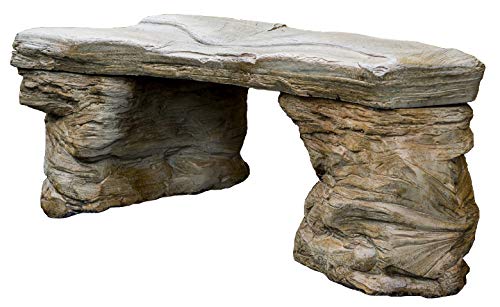
Cast Stone Petrified Rock Bench, Outdoor Garden Patio Bench 3 Piece Hand Sculpted Rustic Garden Bench Outdoor Decor
Check price on Amazon
Christopher Knight Home Duro Durable Concrete Outdoor Bench with Modern White Terrazzo Effect, Outdoor Dining Chair, Oval Garden Bench with Pedestal Base, Extra Seating for Patio/Balcony, White
Check price on AmazonDesign Ideas: Where to Place Your Stone Bench
A stone bench is more than just a place to sit; it is a design element. Here are some inspiring ways to incorporate a stone bench into your outdoor space.
Garden Focal Point
Place a stone bench at the end of a garden path or in a quiet corner surrounded by flowers. It creates a destination and invites visitors to pause and enjoy the scenery. Pair it with a garden table for a complete seating area.
Patio Seating
On a patio, a stone bench can serve as a stylish alternative to traditional chairs. Use it alongside a table and bench set for a cohesive dining area. A stone bench also works well as extra seating near a bar counter or prep table with storage.
Poolside Relaxation
A stone bench near a pool provides a place to sit and dry off. Choose a smooth, polished stone to avoid scrapes. For more poolside seating, consider pool lounge chairs or lounge sofas.
Entryway Welcome
Place a stone bench near your front door or porch to create a welcoming entryway. It provides a spot to sit while removing shoes or waiting for a ride. A porch chair can complement the bench for additional seating.
How to Care for Your Stone Bench
One of the biggest advantages of a stone bench is its low maintenance. However, a little care will keep it looking beautiful for decades.
- Cleaning: Most stone benches can be cleaned with warm water and a mild dish soap. Avoid harsh chemicals or acidic cleaners, which can etch natural stone.
- Sealing: Natural stone is porous and benefits from periodic sealing. Apply a stone sealer once a year to protect against stains and moisture. Concrete benches can also be sealed to prevent cracking.
- Winter Care: In freeze-thaw climates, ensure your bench has proper drainage. If possible, cover it during the harshest winter months to prevent cracks. You can use swing covers or a custom tarp.
- Inspection: Periodically check for cracks or chips. Small chips can be repaired with stone epoxy. For vintage or vintage outdoor furniture, consult a professional restorer.
Stone vs. Other Outdoor Bench Materials
How does stone compare to other popular bench materials? Here is a quick comparison.
- Stone vs. Wood: Wood is warmer and more comfortable, but requires regular sealing and can rot. Stone is permanent and maintenance-free. A teak lounge chair is a beautiful wood option, but a stone bench will outlast it.
- Stone vs. Metal: Metal can rust and become hot in the sun. Stone stays cool and does not rust. A black metal outdoor chair is stylish, but a stone bench is more durable.
- Stone vs. Plastic: Plastic is lightweight and cheap, but it can become brittle and fade. Stone is heavy and timeless. A plastic outdoor bench is a budget option, but a stone bench is an investment.
Final Thoughts: Is a Stone Bench Right for You?
A stone bench outdoor is an excellent choice for anyone who values durability, timeless style, and low maintenance. It is a piece of furniture that becomes part of the landscape, providing a permanent spot for relaxation and reflection. Whether you choose a simple concrete bench or an ornate granite piece, you are investing in a feature that will enhance your outdoor space for years to come.
If you are ready to explore more outdoor furniture options, browse our guides on outdoor lawn furniture and heavy-duty outdoor chairs to complete your outdoor living area. For those who prefer a more natural look, consider a stone bench as the centerpiece of your garden design.