
Wooden Outdoor Chairs: The Complete Buying Guide
Discover the timeless beauty, durability, and comfort of wooden outdoor chairs. Learn how to choose the right wood, style, and care routine for your patio or garden.
SEE TOP PICKSWooden outdoor chairs bring a warmth and natural elegance to any outdoor space that synthetic materials simply cannot match. Whether you're furnishing a cozy balcony, a sprawling backyard deck, or a formal garden patio, wood offers a classic aesthetic that blends seamlessly with nature. But with so many wood types, finishes, and designs available, choosing the right wooden outdoor chairs can feel overwhelming.
This comprehensive guide will walk you through everything you need to know—from understanding the differences between teak, acacia, eucalyptus, and cedar, to evaluating comfort features, weather resistance, and maintenance requirements. By the end, you'll have the confidence to select wooden outdoor chairs that will serve you beautifully for years to come.
What You'll Learn in This Guide
- The best wood types for outdoor chairs and their unique characteristics
- How to evaluate comfort, ergonomics, and design in wooden seating
- Weatherproofing essentials to protect your investment
- Key factors to consider before buying wooden outdoor chairs
- Maintenance routines that keep wood looking beautiful for decades
- Answers to the most common questions about wooden outdoor chairs
Why Choose Wooden Outdoor Chairs?
Wood has been the material of choice for outdoor furniture for centuries, and for good reason. Unlike metal, which can become uncomfortably hot in direct sunlight, or plastic, which may fade and crack over time, wood offers a naturally comfortable surface that stays cool and ages gracefully. Wooden outdoor chairs also offer exceptional versatility—they can be painted, stained, or left to develop a natural silver-grey patina that many homeowners find incredibly attractive.
Beyond aesthetics, wooden chairs are remarkably sturdy. A well-constructed wooden chair can support significant weight and withstand years of regular use. This durability, combined with the timeless appeal of natural wood grain, makes wooden outdoor chairs a worthwhile investment for anyone serious about creating a beautiful and functional outdoor living space.
If you're looking to create a cohesive outdoor seating area, consider pairing your wooden chairs with complementary pieces like a teak bench or a matching wooden dining set to achieve a unified look.
Best Wood Types for Outdoor Chairs
Not all wood is created equal when it comes to outdoor use. The ideal wood for outdoor chairs must resist moisture, insects, and UV damage while maintaining its structural integrity. Here are the top wood types to consider:
Teak
Teak is widely considered the gold standard for outdoor furniture. Its natural oils make it highly resistant to water, rot, and insects. Teak weathers to a beautiful silver-grey if left untreated, or can be oiled to maintain its golden-brown hue.
Best for: Long-term durability, low maintenance, premium look.
$150–$600 per chairAcacia
Acacia is a dense, durable hardwood that offers excellent value. It's naturally resistant to moisture and pests, and its rich, warm tones complement a variety of outdoor decors. Acacia requires occasional sealing to prevent fading.
Best for: Budget-conscious buyers seeking durability.
$80–$300 per chairEucalyptus
Eucalyptus is a sustainable, fast-growing hardwood with natural resistance to rot and decay. It's similar in appearance to teak but more affordable. Eucalyptus may require more frequent sealing to maintain its color.
Best for: Eco-conscious buyers wanting teak-like looks.
$100–$350 per chairCedar
Cedar is naturally aromatic and resistant to insects and moisture. It's lighter than teak or acacia, making it easier to move around. Cedar has a distinctive reddish-brown color that fades to grey over time.
Best for: Budget-friendly, lightweight, and aromatic appeal.
$70–$250 per chairShorea
Shorea is a durable hardwood often used as a more affordable alternative to teak. It shares many of teak's properties but requires more frequent maintenance. Shorea is a solid choice for budget-conscious shoppers.
Best for: Value seekers who don't mind extra care.
$60–$200 per chairPine & Fir
Softwoods like pine and fir are less expensive but require regular treatment to withstand outdoor conditions. They're best for covered patios or seasonal use. With proper care, they can last several years.
Best for: Temporary or covered outdoor use.
$40–$150 per chairWood Type Comparison at a Glance
| Wood Type | Durability | Weather Resistance | Maintenance | Price Range |
|---|---|---|---|---|
| Teak | Excellent | Excellent | Low | $150–$600 |
| Acacia | Very Good | Very Good | Moderate | $80–$300 |
| Eucalyptus | Very Good | Good | Moderate | $100–$350 |
| Cedar | Good | Good | Moderate | $70–$250 |
| Shorea | Good | Good | High | $60–$200 |
| Pine/Fir | Fair | Fair | High | $40–$150 |
Comfort and Design Considerations
Wooden outdoor chairs are available in a wide range of styles, from classic Adirondack chairs to modern minimalist designs. When choosing, consider the following comfort factors:
Seat Depth and Width: A deeper seat provides more lounging comfort, while a wider seat accommodates larger individuals. Standard outdoor chairs typically have a seat width of 18–22 inches.
Armrests: Armrests add comfort and make it easier to get in and out of the chair. They also provide a place to rest a drink or book. If you plan to use the chairs for dining, ensure the armrests fit under your table.
Backrest Angle: A slightly reclined backrest (100–110 degrees) is ideal for relaxation, while a more upright backrest (90–95 degrees) is better for dining or conversation.
Cushions: While wooden chairs can be used without cushions, adding weather-resistant cushions can dramatically improve comfort. Look for cushions made from quick-drying foam and UV-resistant fabric. If you prefer a cushioned look, explore our guide to comfy outdoor chairs for additional inspiration.
Style: Wooden chairs come in many styles—Adirondack, folding, rocking, bistro, and dining. Choose a style that complements your existing outdoor decor. For a cohesive look, consider pairing your wooden chairs with a wooden outdoor table or a bistro table and chairs set.
Pros and Cons of Wooden Outdoor Chairs
Advantages
- Timeless, natural aesthetic that blends with any outdoor setting
- Sturdy and durable when properly maintained
- Stays cooler than metal in direct sunlight
- Can be painted, stained, or left to weather naturally
- Environmentally friendly and sustainable options available
- Easy to repair and refinish compared to synthetic materials
Disadvantages
- Requires regular maintenance (sealing, cleaning, oiling)
- Can be heavy and difficult to move
- Susceptible to rot, insects, and warping if neglected
- Generally more expensive than plastic or resin options
- May splinter over time if not properly finished
Recommended Wooden Outdoor Chairs
⚠️ AFFILIATE DISCLOSURE: This website contains affiliate links. As an affiliate Associate, we earn from qualifying purchases. If you make a purchase through these links, we may receive a small commission at no additional cost to you. Read our full affiliate policy.

SoliWood Outdoor Wooden Folding Adirondack Chair Set of 2 with Pre-Assembled BackRest, Wood Patio Chair for Garden Backyard Porch Pool Deck Firepit
Check price on Amazon
Melino Single Wooden Folding Tamarack Chair, Low Profile Outdoor Lounge | Foldable Acacia Seating for Patio and Lawn, Portable Beach or Camping Wood Furniture, Chestnut
Check price on Amazon
ZUMUSIJN Wooden Outdoor Rocking Chair, Weatherproof Oversized Rocking Chair, Heavy Duty Comfort Brown 350 lbs Weight Capacity, Solid Relaxing Rocker Brown High Back for Patio, Porch, Living Room,
Check price on Amazon
Solid Wood Folding Chairs, Weather Resistant Terrace Folding Dining Chairs, Portable Outdoor Wooden Chairs for Decks, porches, Gardens, backyards, and Balconies, no Assembly Required
Check price on Amazon
VINGLI Bamboo Folding Chair, Foldable Dining Wood Chairs Comfortable Seat for Outdoor & Indoor, Patio, Porch, Wedding, Party, Event,Brown (4 Pack)
Check price on Amazon
VINGLI Outdoor Dining Chairs, Solid Wood Patio Chairs Outdoor Chair for Garden, Balcony, Yard, Porch (Teak, 1 PCS)
Check price on Amazon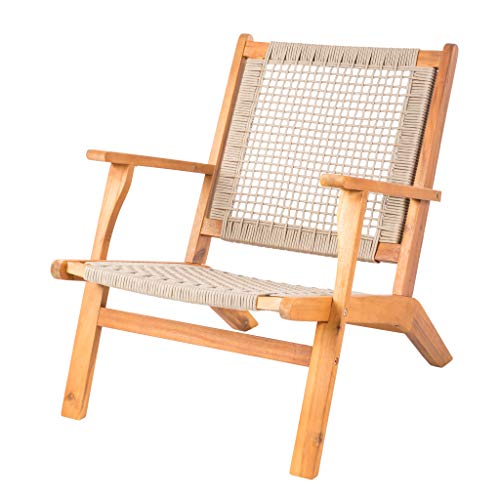
Balkene Home 62773 Vega Natural Stain Outdoor Chair Acacia Wood Construction Hand Woven Seat Mid Century Design Comfortable Reclining Armchair Patio Lawn Garden Backyard Deck - Ecru Cording
Check price on Amazon
Wooden Folding Adirondack Chair Set of 4, Half Pre-Assembled Wood Lounge Chair for Outdoor Patio Garden Lawn Backyard Deck Pool Beach Firepit
Check price on AmazonWeatherproofing and Maintenance
To keep your wooden outdoor chairs looking beautiful and lasting for years, regular maintenance is essential. Here's a simple care routine:
Essential Care Tips for Wooden Outdoor Chairs
- Clean regularly: Wipe down your chairs with a damp cloth and mild soap solution. Avoid harsh chemicals that can strip natural oils.
- Apply a protective finish: Use a high-quality outdoor wood sealer or oil (such as teak oil) at least once or twice a year. This helps repel moisture and UV rays.
- Inspect for damage: Check for cracks, splinters, or loose joints regularly. Sand minor imperfections and re-seal as needed.
- Store during harsh weather: If possible, store your wooden chairs in a covered area during winter or extended periods of rain. If storing isn't an option, use waterproof furniture covers.
- Avoid direct heat: Keep wooden chairs away from fire pits and grills to prevent scorching and drying out the wood.
Explore Related Outdoor Furniture Guides
If you're looking to complete your outdoor setup, these related guides can help:
- Outdoor Chair Sets – Complete seating solutions for your patio.
- Outdoor Adirondack Chairs – Classic wooden seating for relaxation.
- Wooden Outdoor Chairs – Our full guide to wooden seating.
- Teak Benches – Durable and elegant outdoor bench options.
- Outdoor Rocking Chairs – Gentle motion for ultimate relaxation.
Frequently Asked Questions
Are wooden outdoor chairs worth the investment?
Yes, if you choose a durable wood like teak or acacia and maintain it properly. Wooden chairs offer timeless beauty, comfort, and longevity that many synthetic materials can't match. They also tend to hold their value better and can be refinished if needed.
What is the best wood for outdoor chairs?
Teak is generally considered the best due to its natural oils, durability, and low maintenance. However, acacia and eucalyptus offer excellent value and are great alternatives. Cedar and shorea are also good choices for budget-conscious buyers.
How often should I seal my wooden outdoor chairs?
For most wood types, sealing once or twice a year is sufficient. Teak can go longer between treatments due to its natural oils. If you live in a rainy or humid climate, you may need to seal more frequently.
Can wooden outdoor chairs be left outside in winter?
It depends on the wood type and your climate. Teak can handle winter weather well, but other woods may suffer from moisture damage. If possible, store your chairs in a covered area or use protective covers during winter months.
Are wooden outdoor chairs comfortable without cushions?
Many wooden chairs, especially Adirondack and recliner styles, are ergonomically designed to be comfortable without cushions. However, adding weather-resistant cushions can enhance comfort, particularly for extended sitting.
How do I prevent my wooden outdoor chairs from rotting?
Proper sealing and maintenance are key. Apply a water-repellent finish, ensure good drainage around the chair legs, and avoid placing them directly on wet ground for extended periods. Elevating the chairs or using furniture pads can also help.
Ready to Find Your Perfect Wooden Outdoor Chairs?
Browse our recommended selection of top-rated wooden outdoor chairs and bring timeless style to your patio or garden today.
View Top Picks